Category Archives: A WINE ESTATE UNVEILED

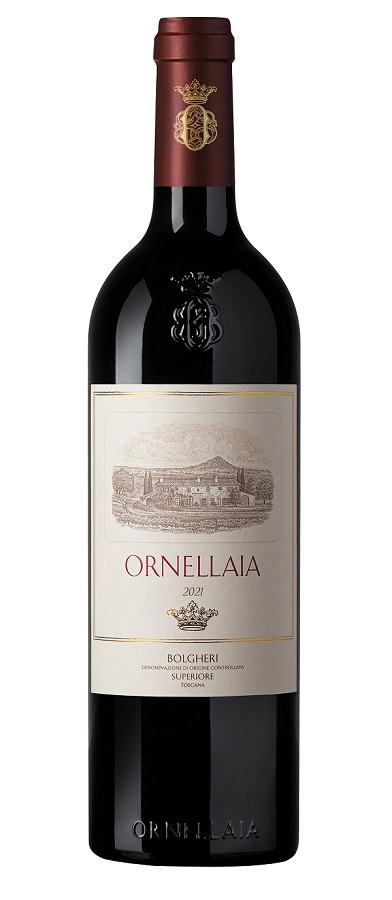
La Generosità (Generosity), the essence of Ornellaia 2021

A delicately balanced light-filled interpretation of the sun and sea, translating the land that gives everything to its vines.

The mild climate and rainfall of early-mid 2021 allowed for adequate water reserves to build in the lands of the Ornellaia estate. Precious water returned to the vines during the hot summer months that had almost no precipitation.

“It’s precisely the generosity of our soils, together with the meticulous work of the team in the vineyard, that has led to a harvest of healthy grapes with great qualitative potential,” stated Lamberto Frescobaldi, President of Marchesi Frescobaldi. “To reflect this giving land, La Generosità (in english Generosity) is the character chosen to reflect the essence of Ornellaia 2021”.

Marco Balsimelli, Production Director at Ornellaia, detects the essence of the vintage in the glass: “Ornellaia 2021 is a very expressive and complex wine. With hints of Mediterranean scrub, juniper berries, and with classic aromas of blackcurrant, there’s a notable density and a fleshy tannic texture that fills the palate with precision, length and flavour.”

Cuvée of Cabernet Sauvignon, Merlot, Cabernet Franc and Petit Verdot, this Bolgheri Rosso Superiore DOC translates the essence of the vineyard parcels it comes from, but it does so with its own personality. In tune with the trait of this year, Ornellaia 2021 embraces tasters with magnificent sensations. Persistent and vibrant, it brings with it an aromatic freshness and elegance that makes it irresistible for enthusiasts and collectors.

The renowned Italian artist Marinella Senatore was invited to interpret the character “La Generosità” (Generosity) for the Vendemmia d’Artista project, choosing to portray the theme through the medium of collage.

Ornellaia 2021 debuts on the market on 1st of April, with every case of six bottles of the vintage (0.75 l bottles) enhanced by one artistic label.

Siddura: the virtues of heritage

Situated near the medieval, picturesque little village of Luogosanto, Siddùra can be. described as the heart of the Gallura. Here the noble culture of wine is as old as the history of the people who have inhabited this land over the centuries. To renew this antique tradition gives a historical dimension to our lives and daily toils. It fulfills our dream of creating something unique and extraordinary of these ancient roots. We are grateful for being so lucky.

The soil of the Siddura vineyards consists of a mixture of granite, sand and clay. Being loose and dry they provide the ideal conditions for viticulture, where vines give best results when suffering “hunger and thirst”. Mild temperature swings, a ventilated climate and optimal sun radiation, due to the gentle slopes, help to preserve and enhance the organoleptic character of the fruit. Our aim is to produce wines which can be closely identified with their Terroir.

Particular climatic conditions combined with soils of exceptional quantity are fundamental components of great wine. Various kinds of cultivation, meticulous supervision of the vines as well as low yields provide for unique, well-balanced and elegant wines.

The wine cellar, situated at the center of the vineyard is a subterrenean structure with natural insulation resulting from its location. Here the entire production chain takes place, starting with the grapes and ending with the bottling. We favor spontaneous fermentations and use diversified types of containers, like cement tanks, oak barrels. We regard it as our mission to respect and enhance the quality of the product, donated to us by Nature and enriched by our intellectual and professional skills.

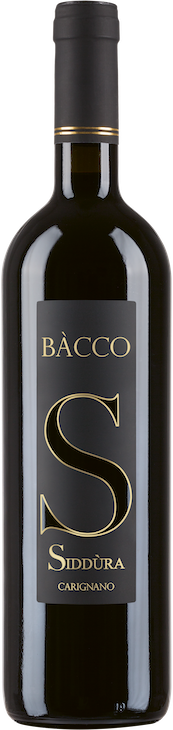
BÀCCO

Their Carignano, comes from the most vocated area in the Region of Sardinia for this vine, introduced by the Phoenicians around the 9th century B.C. and then spread in Roman times in the south-west of the island. The wine’s taste-olfactory characteristics reflect those of the territory in which it originates, characterised by Mediterranean scrub, myrtle and strawberry bushes alternating with mastic tree and helichrysum. A dimension between heaven and earth that renders space indefinite and extends the gaze towards the horizon.

Intense ruby red, enveloping and complex, incipit of currants and berries in spirit, accompanied by sweet spices.
The palate is full-bodied, fruity and persistent, fading in an interplay between freshness and subtle tannic notes.

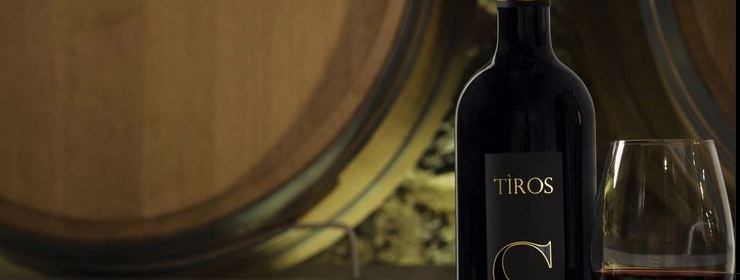
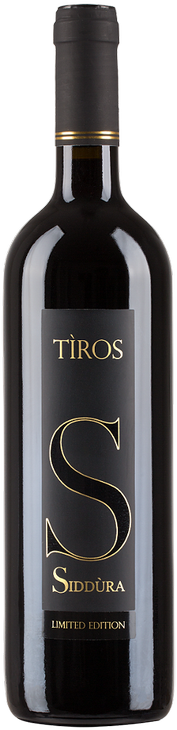
TÌROS

The region of Sardinia, with its unique scenery and enchanting landscapes, is not only a land for great red wines from indigenous grapes, but is now also recognised for the great value of its terroir, ideal for the cultivation of both national and international varieties, capable of producing wines of extraordinary structure and elegance, such as Tìros. Grapes that the winery processes with care to obtain a harmonious and persistent blend. An important wine for long ageing, which could not be missing to complete, with its prestige, the rich range of wines produced at Siddùra.

Intense red, fine and opulent, with a complex bouquet of spicy notes, red fruits and jammy blackberries
Full and velvety, of great elegance, with soft tannins that give pleasantness, intensity and body.

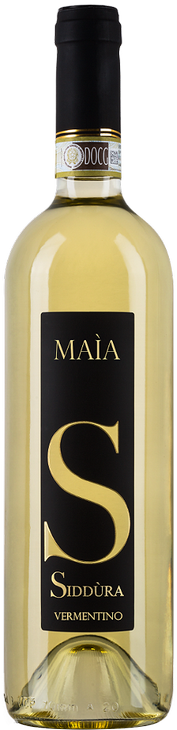
MAÌA

This is their first wine born on the estate from a careful selection of the best grapes. The particular type of soil resulting from granite disintegration, together with an optimal microclimate, have contributed to making Maìa, a Vermentino that, as its name evokes, ‘tastes of Gallura’.
Straw yellow in colour. yellow-fleshed fruit and white flowers. harmonious and delicate.
Fresh and savoury, with a good balance of flavour and a bitter almond finish typical of the variety.

Marcella Caimi

Badia di Morrona and its estate-defining wines

Sangiovese VIGNAALTA, Bordeaux blend N’ANTIA, and the young Syrah TANETO

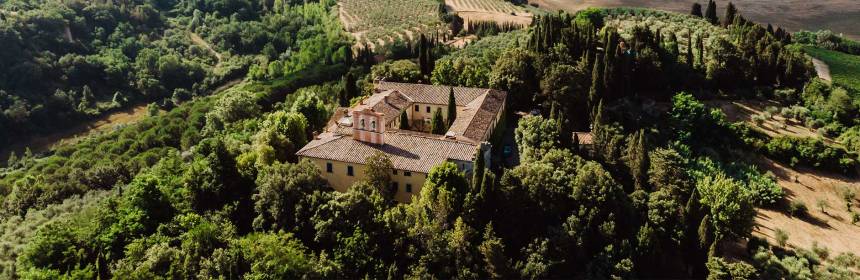
Between Pisa and Volterra, in the sensuously-contoured hills that stretch as far as Terricciola, lies Badia di Morrona, owned by the Conti Gaslini Alberti family since 1939. Theirs is the credit of intuiting that this particular growing area, with its beneficial climate and distinctive geological matrix, would offer an ideal terroir for both Sangiovese and international grape varieties.

“My father always believed,” explained Filippo Gaslini Alberti, who today directs the family estate, “that Sangiovese, Cabernet, Merlot, and Syrah as well, were all necessary and complementary grapes if the full winemaking potential of Badia di Morrona were to be realised. Over the years, study of the estate terroir has enabled us to better understand which areas to dedicate to the individual grape varieties, with the result that today we are proud to have crafted three wines that interpret, each with its own distinctive voice, the original timbre of this modest corner of Tuscany.”

VIGNAALTA and N’ANTIA are Badia di Morrona’s two historic crus, a monovarietal Sangiovese and classic Bordeaux blend, respectively. “Commitment to Tuscany’s royal grape but openness as well to international noble grapes north of the Alps” were essential components of Conte Duccio Gaslini Alberti’s vision and philosophy, as well as that of the winery today. TANETO, which debuted in the early 2000s, is the latest and most creative interpretation of Badia di Morrona. “Its leading grape, Syrah, succeeds in its expression of its terroir.”   

These three reds are today the most impressive ambassadors of a wine estate fully aware of its own history, sensitive to the challenges presented by the future, and, above all, enamoured of its growing area, a  terroir still little known yet of stunning beauty and impressive winemaking qualities.

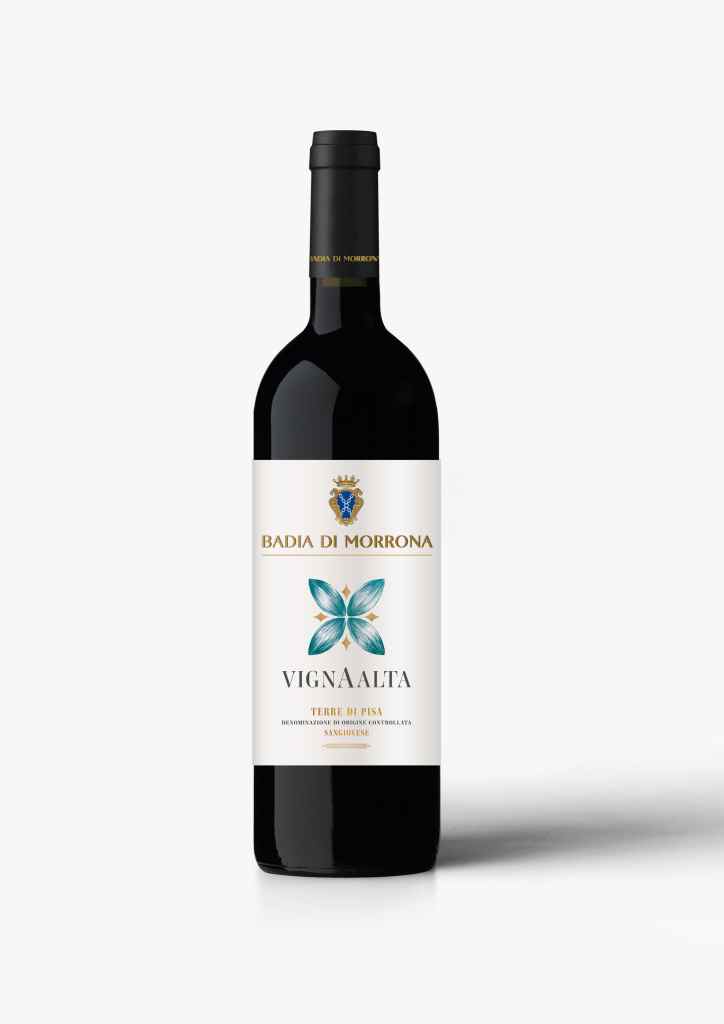
VIGNAALTA,Terre di Pisa DOC, is the estate’s most aristocratic Sangiovese and proud denomination leader. It is produced from only the finest-quality grapes from the vineyard of the same name, which, as its name implies, covers Badia di Morrona’s highest hill. The 8-hectare parcel, caressed by constant breezes, is rooted in sandy soils rich in fossil coral, testimony of an ancient seabed. From the first sip it reveals a Sangiovese that is vibrant and elegant.

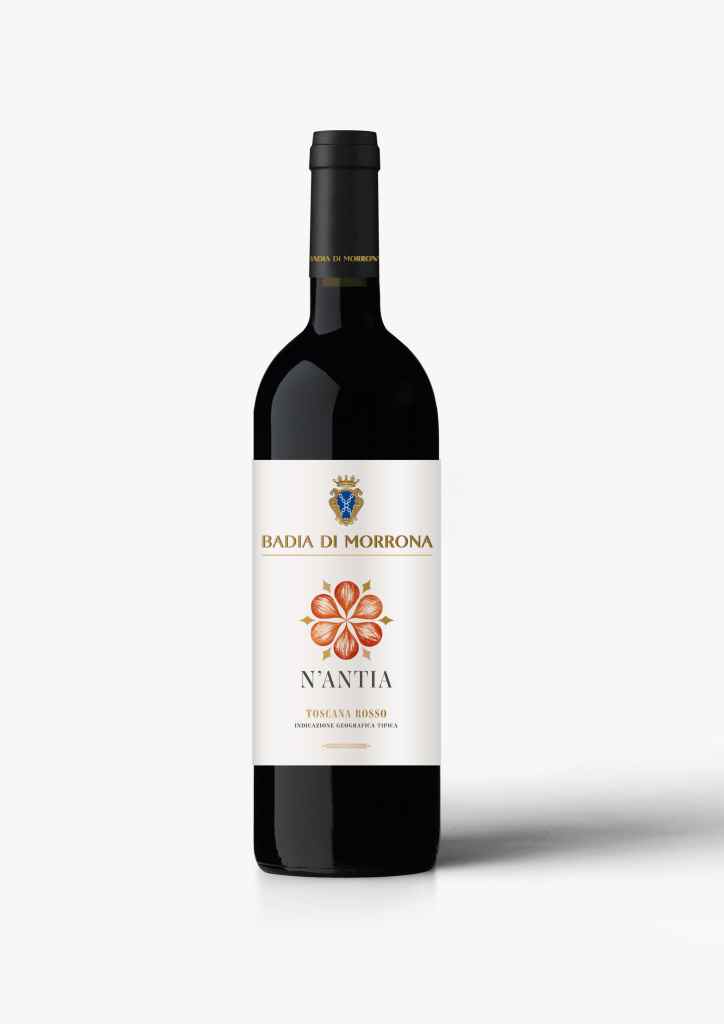
N’ANTIA Toscana Rosso IGT is a blend of Cabernet Sauvignon, Cabernet Franc, and Merlot from a single parcel of the estate’s oldest vineyards—over 35 years old. These striking “wooden sculptures” enjoy a clay soil with abundant travertine fragments and yield a wine of profound, forceful character.

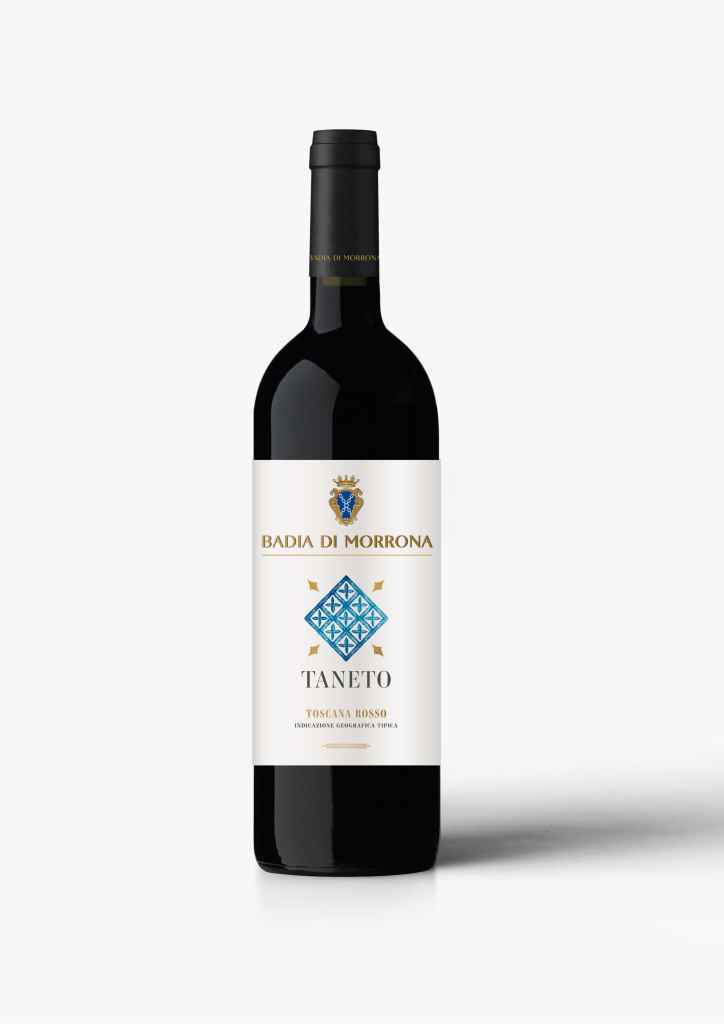
TANETO Toscana Rosso IGT is a Syrah-based blend from vineyards planted in soils particularly rich in fossil shells. They contribute to TANETO’s marked minerality, which in turn perfectly complements Syrah’s classic spiciness.

The grapes, harvested exclusively by hand, are quickly brought to the semi-underground, energy-self-sufficient cellar. Following fermentation in stainless steel, the three wines then take different paths. VIGNAALTA spends two years in large oak ovals, while N’ANTIA and TANETO rest in standard oak barrels for 15 and 12 months, respectively. Finally, all three refine their qualities in traditional concrete vats before bottling.

This late autumn, VIGNAALTA 2019 and N’ANTIA 2020 along with TANETO 2021 land in both the Italian and international markets.

*

Badia di Morrona is located in Terricciola, between Pisa and Volterra. The heart of the estate is the ancient monastery, Badia di Morrona, dating back to 1000 AD. The iconic grape is Sangiovese, planted in more than half of the 110 hectares of vineyards owned by the estate, with the remainder in Vermentino, Chardonnay, Viognier, Merlot, Syrah, and Cabernet. This viticultural wealth yields a well-integrated collection of wines, which boasts coveted crus such as VIGNAALTA and N’ANTIA, of Sangiovese and Bordeaux varieties respectively, and TANETO, the quintessence of Badia di Morrona’s Syrah. The Chianti denomination is well-represented of course, with I SODI DEL PARETAIO in both standard and Riserva versions, and the estate offers also other more everyday labels. The wine portfolio is compellingly complemented by a welcoming hospitality programme: distributed throughout the estate are large, meticulously-restructured farm residences that are perfect departure points for leisurely exploring this still little-known world in Tuscany.

125 Years of Castello di Querceto

La Corte 2019: Interpreter of the past and present

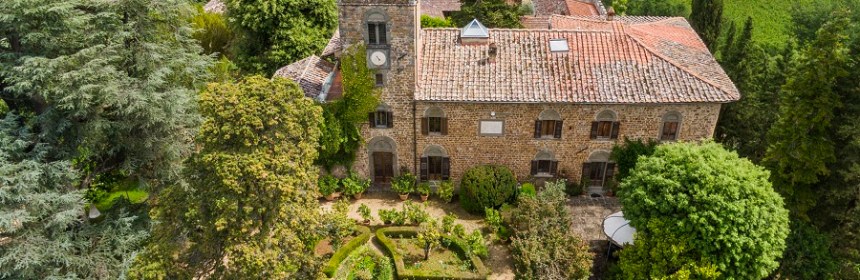
The origins of Castello di Querceto, with its crenellated tower, date back to the Middle Ages, but the milestone being celebrated by the François family this year is an impressive 125 years as wine producers.

It was in 1897, in fact, in Dudda, in the commune of Greve in Chianti, that Carlo François purchased Castello di Querceto. Even then, estate-grown wine was being made within its venerable cellars from the surrounding vineyards, and Carlo, immediately recognising the innate quality of its Sangiovese, began to make a monovarietal from a small vineyard parcel of particular promise. That was the ancestor of La Corte, and a few bottles, dated 1904, still survive. A few years later, in 1924, Castello di Querceto became a founding producer of the Consorzio Chianti Classico.

The estate’s modern history, however, begins with Alessandro François, and his pioneering concept of the Chianti Classico cru. Since the 1970s, he has been minutely studying every individual plot on the estate, and, confirming the ground-breaking intuitions of his grandfather, he determined that the qualities of that very same parcel merited his first single-vineyard wine. La Corte thus debuted officially in 1978 as an IGT Toscana, produced from that 3.4-hectare vineyard lying at an elevation of 450 metres, planted with a south-southwest-facing exposure in sandy soils.     

Over the following decades, other singular expressions enriched the collection, and Castello di Querceto became a benchmark for the entire denomination, a growing area for which Alessandro and his wife Antonietta have been ambassadors literally across five continents, exporting their wines to over 50 countries. Today, Simone and Lia François work side by side with their father in managing the wine estate, as do their respective spouses Stefania and Marco, sharing responsibility for hospitality, administration, and export. 

Over the years, research at the Castello has proceeded uninterrupted. The introduction of precision viticulture has proved decisive, as well as minimal intervention in the winemaking process; both testify to the philosophy of striving to highlight the distinctive characteristics of each individual vineyard parcel. 

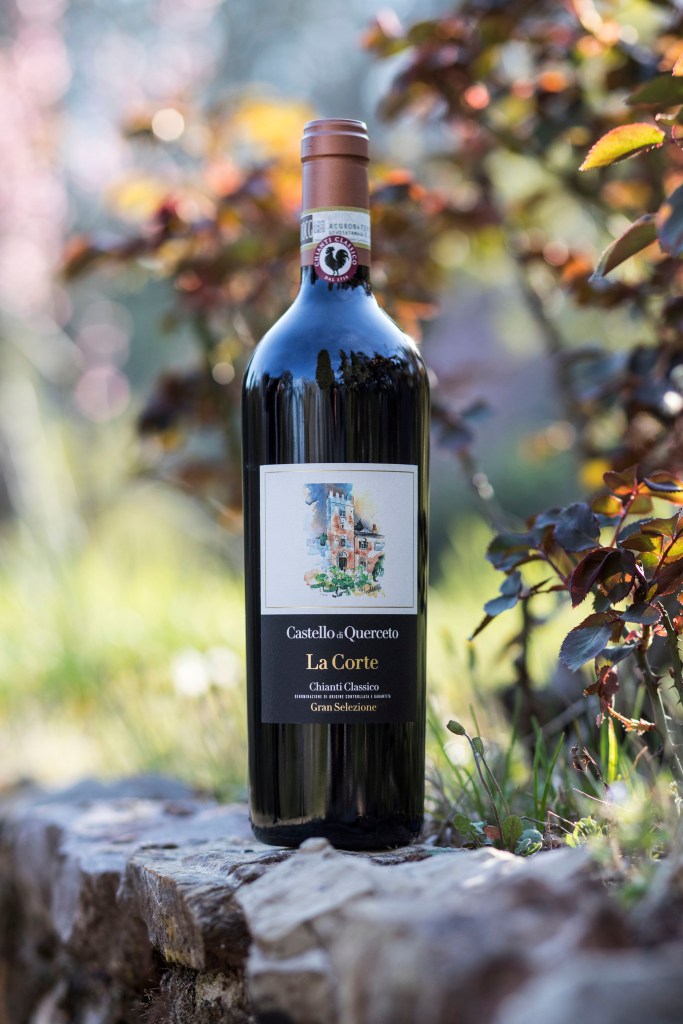
The historic La Corte cru fully embodies this approach. With the 2017 vintage, it became a Chianti Classico Gran Selezione, thus joining the other prestigious cru, Il Picchio, which has been a Gran Selezione since 2011. “Both of these Sangiovese wines have always so impressed us that they deserved to bear the denomination’s highest quality designation,” commented Simone François.

“At 125 years from the founding of Castello di Querceto,” added Alessandro François, “La Corte continues to gift us a vibrant, comprehensive, and eloquent expression of our terroir. It amply demonstrates the incredible qualities of this growing area, as well as of the denomination that we are so proud to be a part of.”

Chianti Classico Gran Selezione La Corte 2019, released just recently on the market, is the fruit of a growing season which proved well-balanced and of impressive quality. Generous rainfall in the spring filled groundwater reserves that helped the vines cope with a dry summer. The heat was not excessive, however, thanks to Castello di Querceto’s elevation and to significant day-night temperature differences. Finally, very favourable weather in September and October allowed the winery to push back the start of harvest. The results were ideally-ripe clusters that yielded a taught, clean-edged, pleasurable Sangiovese.    

“All in all, a perfect vintage for our celebration of such an important anniversary,” concluded Simone François, fourth generation of a family fiercely proud of its traditions, and one whose long history gives it the ability to see far into its future.

*

The winery, along with its agriturism and luxuriant park, lies in Dudda, in a small valley in the hills high above Greve, in north-central Tuscany. Here, the François family grow their wines in some 65 hectares of estate vineyards, subdivided into 26 individual parcels planted in Cretaceous-Eocene polychrome schists. In addition to the Chianti Classico line, led by the two Gran Selezione crus, La Corte and Il Picchio, the portfolio boasts various IGT crus, Il Cignale, Il Querciolaia, Il Sole di Alessandro (Cabernet Sauvignon), and QueRceto Romantic, an elegant blend of Petit Verdot, Merlot, and Syrah.

Citizenship in the contemporary world and responsibility to the local environment and to future generations require a commitment to sustainability, and thus Castello di Querceto has been a certified participant in the Italian government’s ViVa program since 2022.    

Henry Borzi

Nittardi, 40 years of wine and art

From 10 to 30 November 2022… in homage to Chianti Classico Casanuova di Nittardi Vigna Doghessa, the Nittardi collection will be on display at the Galleria Palazzo Coveri of Florence: over 80 works by the most important contemporary artists.

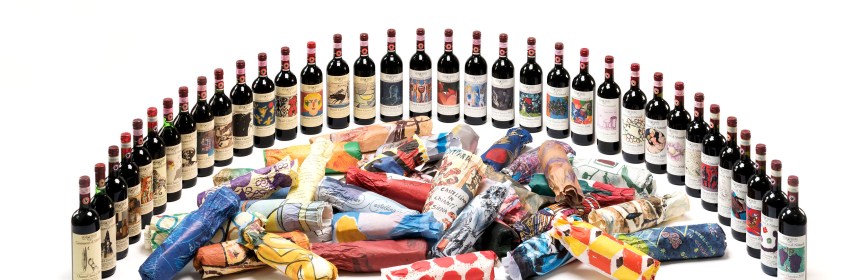
Casanuova di Nittardi is the historic Chianti Classico of Nittardi winery. Its very first vintage saw the launch of an art project, which has now, with the wine’s 2020 vintage, reached its 40th anniversary. Since 1981, the Canali-Femfert family has been celebrating the character and history of Casanuova di Nittardi by means of a unique artwork series: for each vintage, artists are invited to create two art pieces, one for the bottle label and one for its wrapping paper.

To celebrate this particular milestone, the Canali-Femfert family decided to establish an international art competition – the Premio Nittardi. Its prestigious jury has selected not one, but six artists, since the guiding concept is to offer passionate collectors of Nittardi an unpredecented case of six bottles of Chianti Classico Casanuova di Nittardi Vigna Doghessa 2020, each with a different label and wrapping paper.

This one-of-a-kind eno-artistic treasure, the Collezione Nittardi, from 10 to 30 November 2022, moves to Florence’s Galleria di Palazzo Coveri, at 19 Lungarno Giucciardini, where visitors may admire both the original art works as well as the entire set of bottles with their front labels and wrapping paper.

This journey through 40 vintages of a wine that is itself an artwork offers the rare opportunity to appreciate some of the most influential figures of contemporary international art, and in doing so has created a further artistic dimension… for all the senses.

Over the years, Chianti Classico Casanuova di Nittardi Vigna Doghessa has proudly borne the signatures and artworks of international artists such as Pierre Alechinsky, Corneille, Dario Fo, Karl Otto Götz, Günter Grass, Friedensreich Hundertwasser, Yoko Ono, Mimmo Paladino, Fabrizio Plessi, Mikis Theodorakis and many others. They are joined today by this year’s winners of the Premio Nittardi: Italian artists Chiara Mazzotti and Fausto Maria Franchi, and from abroad, Pengpeng Wang, Ulrike Seyboth, Olle Borg, and Andreas Floudas-Zygouras. In addition, the Femfert family also selected a seventh artist, Roberto Maria Lino, to artistically dress the Magnums.

***

The exhibition _ The public may visit the exhibition in the Galleria Palazzo Coveri, at Lungarno Giucciardini 19, in Florence from 10 to 30 November 2022, Tuesday through Saturday, from 11.00am to 1.00pm and from 3.30pm to 7.00pm. Entry is free.

The Premio Nittardi jury _ The Premio Nittardi jury is composed of Luigi Toninelli (Gallerista of Milan/Monte Carlo), Johannes Heisig (German author and artist of an art piece for the 2019 vintage), Amy Ernst (artist, niece of Max Ernst), Anthony von Mandl (Canadian art collector and wine producer), Young Ho Kim (Korean art collector), Gianna Martini Coveri (CEO, Gruppo Coveri).

Winners of the Premio Nittardi _ Chiara Mazzotti (I) with “Purezza concreta” and “Celebrazione”; Fausto Maria Franchi (I) with “Capriccio italiano”; Pengpeng Wang (CHINA) with “Pensieri”; Ulrike Seyboth (D) with “fructueux” and “abondance”; Olle Borg (S) with “Sine Nomine”; and Andreas Floudas-Zygouras (GR) with “Per Edoardo” and “Wine stages”. Special prize awarded to Roberto Maria Lino (I) by the Femfert family, for the Magnum label and for his works “Sutura”.

The Nittardi Collection _ The artists who have created labels and wrapping papers to date are Bruno Bruni (1981), Maurilio Minuzzi (1982), Karl Korab (1983), Simon Dittrich (1984), Miguel Berrocal (1985), Alfred Hrdlicka (1986), Paul Wunderlich (1987), Rudolf Hausner (1988), Friedensreich Hundertwasser (1989), Horst Janssen (1990), Valerio Adami (1991), Corneille (1992), A.R. Penck (1993), Eduardo Arroyo (1994), Raymond E. Waydelich (1995), Luigi Veronesi (1996), Igor Mitoraj (1997), Elvira Bach (1998), Emilio Tadini (1999), Sandra Brandeis Crawford (2000), Volker Stelzmann (2001), Giuliano Ghelli (2002), Robert Combas (2003), Klaus Zylla (2004), Yoko Ono (2005), Mimmo Paladino (2006), Tomi Ungerer (2007), Günter Grass (2008), Pierre Alechinsky (2009), Dario Fo (2010), Kim Tschang Yeul (2011), Karl Otto Goetz (2012), Alain Clément (2013), Hsiao Chin (2014), Joe Tilson (2015), Allen Jones (2016), Mikis Theodorakis (2017) Johannes Heisig (2018) and Fabrizio Plessi (2019).

The wine _ Chianti Classico Casanuova di Nittardi is grown near the villa residence in Castellina in Chianti and, since 2012, has been the offspring of a single vineyard, Vigna Doghessa. This parcel, lying at 450 metres above sea level with superlative southern exposure, has soil of medium depth, rich in galestro and alberese, two geological materials that define the character of our Chianti Classico. The wine is as unique as it is complex, just as a work of art can be.

The winery _ Nittardi has 40 hectares of vineyards, organically formed since 2014, divided between Castellina in Chianti and Maremma in Tuscany. In the sixteenth century, the estate was owned̀ by Michelangelo, who would send wine from there to Rome as a present for Pope Paul III. Art and creativity are in the DNA of the estate, as evidenced by the extraordinary park of contemporary sculptures and the exceptional artists who, every year since 1981, have created two works dedicated to the historic Chianti Classico Casanuova di Nittardi at the invitation of the curator Peter Femfert; his wife Stefania Canali, historian; and their eldest son Léon, who has managed the estate since 2013.

Vinchio Vaglio: the Nest of Barbera

The story of the Vinchio and Vaglio winery is a love story where the inhabitants of these two villages transformed a difficult and poor, inarable land with slopes so steep that some local sayings proved true: “S’ot dròca la colassion, it la treuvi pì!” (if you drop your breakfast, you won’t find it again!) or “S’ot dròca ël bertin, ot toca curije drera fin ant la val” (if your hat blows off in the wind, you’ll need to run down to the end of the valley to get it”). The name results from both Vinchio and Vaglio Serra villages where 19 vine growers used to live and founded the cooperative in 1959. The winery is located in Piedmont, Monferrato, core zone of UNESCO World Heritage Patrimony, right at the foot of the Alps. This area with its steep slopes and overhanging vineyards at the edge of the woods has been tended and “tamed” to dramatic effort, where every single drop of the “Ruby of Vinchio” (Barbera wine) equates to thousands of drops (and certainly not an exaggeration!) of farmers’ sweat. However, the vineyards have never failed to reward their hard work. These vine rows, in fact, repay the industrious farmers with grapes of rare and exceptional quality. Nowadays the cooperative represents 192 family vine growers who take daily care of 450 hectares mostly planted in Barbera grapes (60% of our production) and all other indigenous grapes from Piedmont such as Nebbiolo, Dolcetto, Ruché, Albarossa, Grignolino, Arneis, Cortese, Moscato and Brachetto. The territory is characterized by a distinctive terroir of calcareous soils and sandy soils in Vinchio and mostly clay soils in Vaglio Serra what makes the Barbera of Vinchio Vaglio unique for the structure (white soils), elegance (sandy soils) and aromas (clay soils). The sun usually shines all day on these hills, there is seldom hoarfrost or fog and no shadow. Great wines grow on these hills.

Monterosola, award-winning wines from ancient land

Situated on a plateau at 430 meters altitude, above two ancient, wooded valleys with far-reaching views to the coast. Monterosola “hill of poppies” is one of Tuscany’s finest contemporary wineries.

Resting on a hillside overlooking the medieval city of Volterra, the Monterosola estate combines traditional winemaking techniques with state-of-the art technology. Just 50km from the coastal region of Bolgheri and 30km from the world-famous hills of Chianti, Monterosola sits amidst some of the best wine growing locations in the world.

Monterosola has its own complex microclimate which provides vines with the optimum growing conditions. Here, a regular breeze promotes the natural health and energy of the vines, which, in turn, produce the very best grapes.

With 25 hectares of vineyards producing both white and red wines, the estate also has olive groves, woodlands, gardens, lakes and pastures.

A destination winery

The estate has been producing excellent wines since 2003 yet it entered an exciting era in 2013 when the land was purchased by the Thomaeus family who recognised the true potential of the terroir. In 2015 the family embarked on an impressive project, to design and build a grand-scale cantina with purpose-built facilities for wine tastings and events.

At Monterosola the wine production methods are supervised by Alberto Antonini who has previously worked with some of Italy’s most prestigious cantinas including Antinori and Frescobaldi.  


MASTIO

A beautiful rich ruby in colour with elements of ripe fruits on the nose with a hint of red cherry, strawberries almonds and green herbs. A well-balanced combination of elegance and intensity on the palate with soft tannins and a generous aftertaste.


 CRESCENDO

Deep garnet colour with flavours of rich cherries, dried herbs, sweet oak, spices, black tea and toasted almonds. Both intense and complex on the palate it is powerful yet refined with a lengthy finish. Crescendo has great aging potential.


 CASSERO

A sophisticated single variety Vermentino, straw yellow coloured with youthful green highlights. Enjoys an elegant and consistent aroma with hints of white flowers, grapefruit, pear, white peach and a pleasing minerality. Fresh and well balanced on the palate with a lingering light finish.


 PRIMO PASSO

A warm light golden colour. Intense and elegant aromas come to the fore, ripe apricot, peach, citrus zest and minerality evolve into a hint of sweet spice. A generous, silky and balanced wine with an authentic personality. Remarkable aftertaste.

http://www.monterosola.com

Etna: Pure excitement

While the spectacular eruption transfixes the world, Passopisciaro remembers its first vintage 20 years ago


The last two weeks put the spotlight on the world’s most active volcano: Etna. 

The pyrotechnics included erupting fountains of lava that surged to 1,000 metres above the upper crater and incandescent flows that held the world media spellbound. 

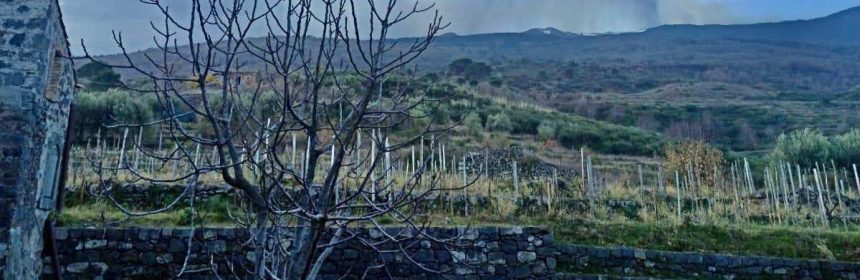
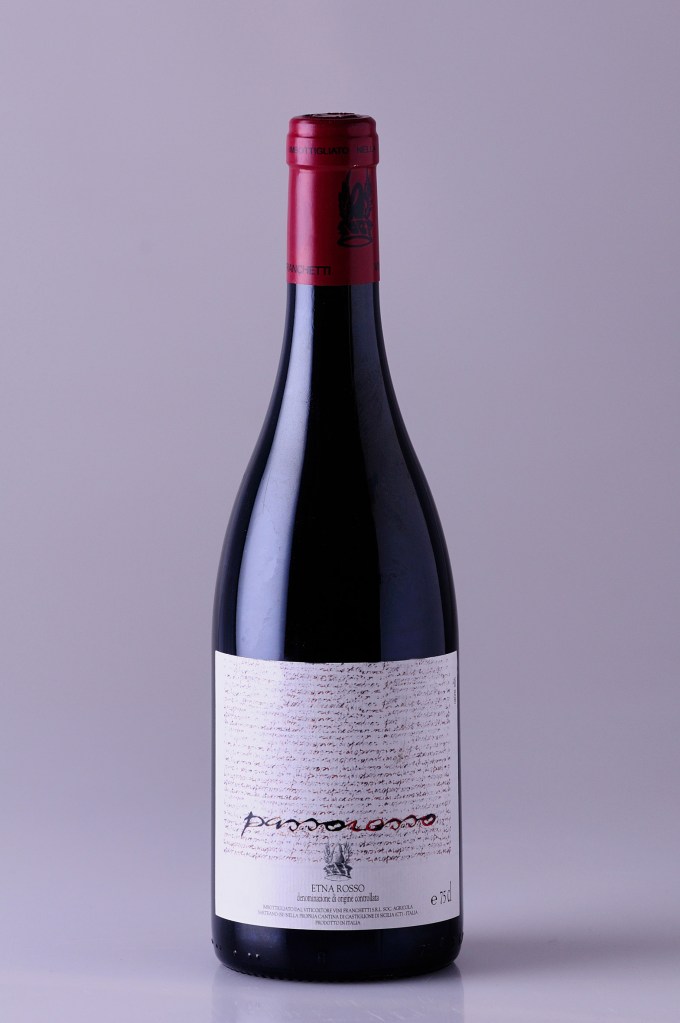
In this unique, always-restless environment, continuously providing intense excitement, grow some of Italy’s most prized vineyards. Passopisciaro, Etna’s iconic wine estate on its north slope, has for 20 years served as a benchmark for the area’s wine production. For it was here, exactly two decades ago, that the first harvest of the all-Nerello Mascalese Passorosso (than called Passopisciaro) arrived in the cellar and launched the local winemaking renaissance—thanks to Andrea Franchetti, the visionary who firmly believed in the quality of this volcanic earth and promoted the concept of Contrade wines, cru wines whose world-class quality he clearly foresaw.  

Today, Passopisciaro produces five red Contrada wines: Rampante, Chiappemacine, Porcaria, Guardiola, and Sciaranuova, all ready to be released with the new 2019 vintage in June, while Passorosso, whose 2019 is scheduled for September, is a blend of all five, the quintessence of Franchetti’s style and a subtly-woven tapestry of these vineyards lying at up to 1,000 metres. The Chardonnay-based whites are Passobianco and the knife-edged Contrada PC, introduced two years ago, grown in a small sand-rich parcel at the highest part of the estate.

The Estate. Passopisciaro practices a precision viticulture obsessively respectful of nature, relying on 26 hectares of vineyards distributed over the north flank of Etna; most are planted to Nerello Mascalese, often un-grafted vines 80-100 years old, but there are Petit Verdot, Cesanese di Affile, and Chardonnay as well. In addition to Passorosso, Passobianco and the contrada crus, Passopisciaro’s portfolio boasts the prestigious Franchetti cuvée, composed of Petit Verdot and Cesanese d’Affile.

Andrea Franchetti also owns Tenuta di Trinoro, in Sarteano in Tuscany’s magnificent Val d’Orcia, famous for its legendary Bordeaux blend named after the estate.

THE MASSETO WINERY UNVEILED

HyperFocal: 0

An architectural masterpiece quarried from the blue clay


Carved deep into the ancient blue clay that underpins the vineyard, the Masseto winery is a physical and symbolic tribute to the Estate’s history and rapid evolution from intuition about the hidden potential of a vineyard site, to internationally acclaimed wine.

‘The Winery is a tribute to the past, present and future of Masseto. It celebrates the incredible story of a wine that was never meant to exist,’ said Masseto CEO, Giovanni Geddes da Filicaja. ‘Years of planning and effort have been dedicated to building the right home for Masseto. One that consolidates three decades of experience, where every aspect has been designed to meet the winemaking team’s highly detailed requirements.

Technical facilities in the subterranean building, reminiscent of a sacred temple, have been stripped back to low-impact basics. ‘Nothing is missing, and there is no more than necessary,’ said Masseto Estate Director, Axel Heinz. He stressed that winemaking at Masseto, which balances austerity, modernity and tradition, will remain unchanged. ‘Our wine making is about reducing the process, reducing intervention, with a ‘less is more’ philosophy.’

Designed by architects Hikaru Mori and Maurizio Zito of the ZitoMori Studio, the building represents and reinforces Masseto’s discreet but powerful identity. Above ground, only the low lines of the grape reception area and the restored Masseto House emerge from the hill.

Built to incorporate a gravity flow winemaking process, and benefiting from the blue clay’s natural insulation, the structure is symbiotic with the hills and vineyard that surround it. The architects called their underground design concept, The Quarry. ‘To represent the effort required to produce the wine made here, we created a series of spaces – not by construction, but by extraction from the hill’s monolithic mass. The diverse internal volumes, heights and levels are reminiscent of a gold mine as it follows seams of precious metal to the core,’ said Japanese-born architect Hikaru Mori.

Cast-in-place concrete was used for the winery’s architectural framework. Inside, clean lines of glass and steel predominate, balanced by rows of oak barrels. Textured and scored surfaces throughout are a reminder of the extractive construction process, while openings in the walls frame vertical profiles of the vineyard’s inimitable blue clay terroir.

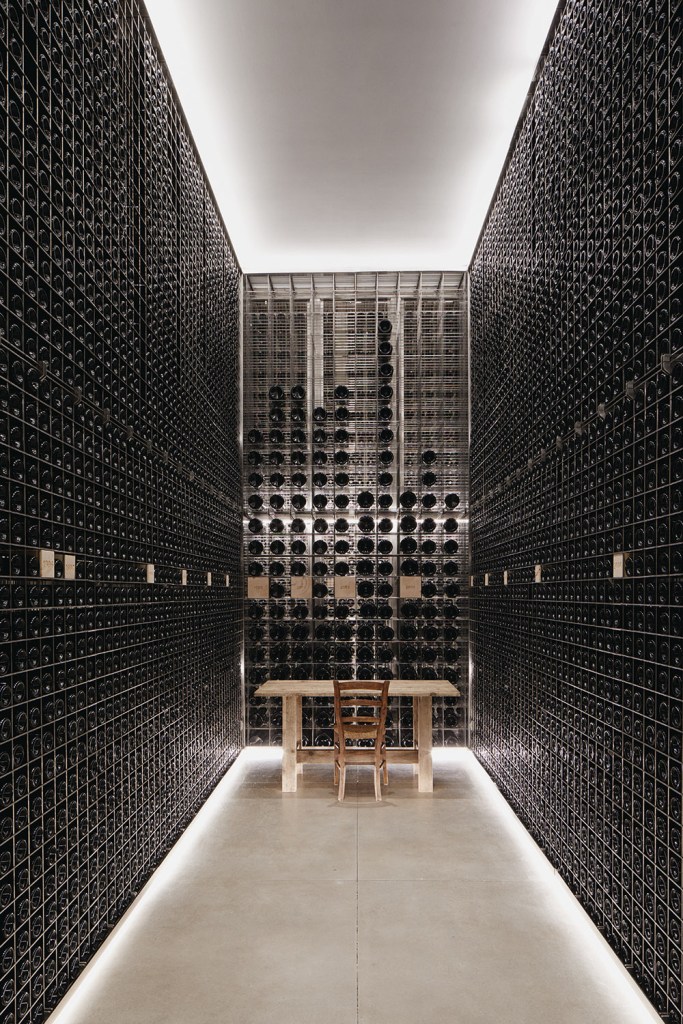
At the very heart of the structure lies the Estate’s wine vault, Masseto Caveau. Bottles of every vintage since 1986 are preserved here, in perfect cellaring conditions, each suspended in its own stainless-steel mesh cradle. There could be no better physical manifestation of the Estate’s history.

The 2018 vintage is the first to be vinified in the Winery, by recently appointed cellar master, Eleonora Marconi.

Masseto, located on the Tuscan coast close to the small village of Bolgheri, is a wine that was never meant to exist. The potential of the slope where the vineyard now sits was finally seen in the 1980’s, when, against all odds, advice and local tradition, the first vines were planted. Intuition paid off. The blue clay, cooling coastal breezes and abundant refracted light from the Tyrrhenian Sea all contribute to Masseto’s intriguing combination of power, elegance and complexity. Masseto has received international acclaim since its birth in 1986. The Estate is controlled by the Frescobaldi Family Group.


The Maremma yields a jewel called Le Pupille

Elisabetta Geppetti’s trail-blazing idea of producing a great Syrah in Tuscany’s coastal Maremma area began to take shape as early as the year 2000, when she planted two vineyards to that noble variety at Fattoria Le Pupille. Years of quality selection in the vineyards followed, then vinifications from 2012 on, all of which amply confirmed that the path she had chosen was correct. The final fruit was Le Pupille, a wine that embodied a yet-unexplored aspect of the Maremma’s winemaking potential and expressed at the same time the elegance and fascination of two women intimately linked to each other. Elisabetta Geppetti has been joined, since 2011, by her daughter Clara Gentili, who displays the very same level of passion and, it would seem, far-sightedness as her mother.

A four-handed accomplishment_Le Pupille was also the result of innovative winemaking practices. “My mother and I decided, together with winemaking consultant Luca D’Attoma,” explains Clara, “to vinify each of the two vineyards differently, the grapes from one in large oak tonneaux, the others in large terracotta jars hand-made in Tuscany.” 

“It was all quite an emotional project,” added Elizabeth, “and one that our entire family embraced, since, as we love to tell, we all personally destemmed the grapes by hand after the harvest.” And that 2015 harvest yielded wonderful fruit in the two vineyards that unite to produce Le Pupille.    

The Vigna del Palo and fermentation in tonneaux_Planted in 2000, this 1.5-hectare vineyard faces east, which allows the grapes to benefit from the less-intense morning light and to avoid the impact of the hotter hours of the day. Thanks to a rather light leaf-thinning during the 2015 season, cluster development was gradual and consistent, and at harvest-time, in the last week of August, the grapes were sweet and aroma-rich, with fairly refined tannins. A 25-day fermentation followed, in open-topped 500-litre oak tonneaux, with careful punch-downs twice a day to maximise aroma extraction, then the wine macerated on the skins an additional 25 days.       

The Vigna di Pian di Fiora and fermentation in jars_This small vineyard, barely half a hectare, was planted in 2002. Its particularly cool, dry climate was further accentuated in 2015 by breezes along the valley floor, and the result was a pronounced florality and dense tannins in the grapes. Fermentation in 500-litre terracotta jars preserved varietal fidelity and heightened the grapes’ floral notes. Fermentation began spontaneously, but it was carefully controlled, and the subsequent maceration continued for some eight months, until May 2016, when the wine was finally drawn off and racked at low temperature.     


The final blend of the separately-fermented lots matured in new 300-litre French oak barrels for some 10 months, was bottled in March 2017, then received a further 22 months’ bottle-ageing.  

The result of this refined process is a Le Pupille of pronounced crispness and elegance, with an intriguing stylistic link to its trans-Alpine cousin. Its complex bouquet boasts wild black berryfruit, spice, and a subtle toastiness. Le Pupille 2015 was produced in a limited edition of 3,000 750ml bottles.    

« Older Entries