Badia di Morrona and its estate-defining wines
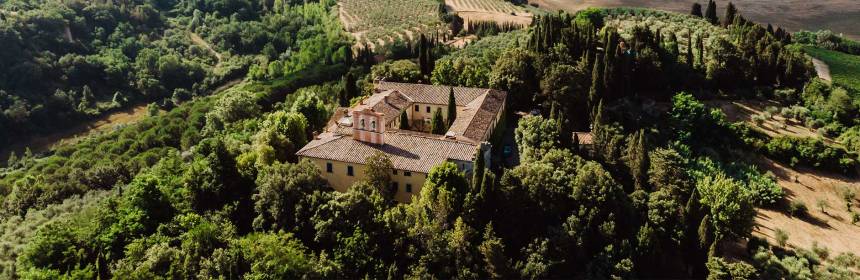
Sangiovese VIGNAALTA, Bordeaux blend N’ANTIA, and the young Syrah TANETO
Between Pisa and Volterra, in the sensuously-contoured hills that stretch as far as Terricciola, lies Badia di Morrona, owned by the Conti Gaslini Alberti family since 1939. Theirs is the credit of intuiting that this particular growing area, with its beneficial climate and distinctive geological matrix, would offer an ideal terroir for both Sangiovese and international grape varieties.
“My father always believed,” explained Filippo Gaslini Alberti, who today directs the family estate, “that Sangiovese, Cabernet, Merlot, and Syrah as well, were all necessary and complementary grapes if the full winemaking potential of Badia di Morrona were to be realised. Over the years, study of the estate terroir has enabled us to better understand which areas to dedicate to the individual grape varieties, with the result that today we are proud to have crafted three wines that interpret, each with its own distinctive voice, the original timbre of this modest corner of Tuscany.”
VIGNAALTA and N’ANTIA are Badia di Morrona’s two historic crus, a monovarietal Sangiovese and classic Bordeaux blend, respectively. “Commitment to Tuscany’s royal grape but openness as well to international noble grapes north of the Alps” were essential components of Conte Duccio Gaslini Alberti’s vision and philosophy, as well as that of the winery today. TANETO, which debuted in the early 2000s, is the latest and most creative interpretation of Badia di Morrona. “Its leading grape, Syrah, succeeds in its expression of its terroir.”
These three reds are today the most impressive ambassadors of a wine estate fully aware of its own history, sensitive to the challenges presented by the future, and, above all, enamoured of its growing area, a terroir still little known yet of stunning beauty and impressive winemaking qualities.
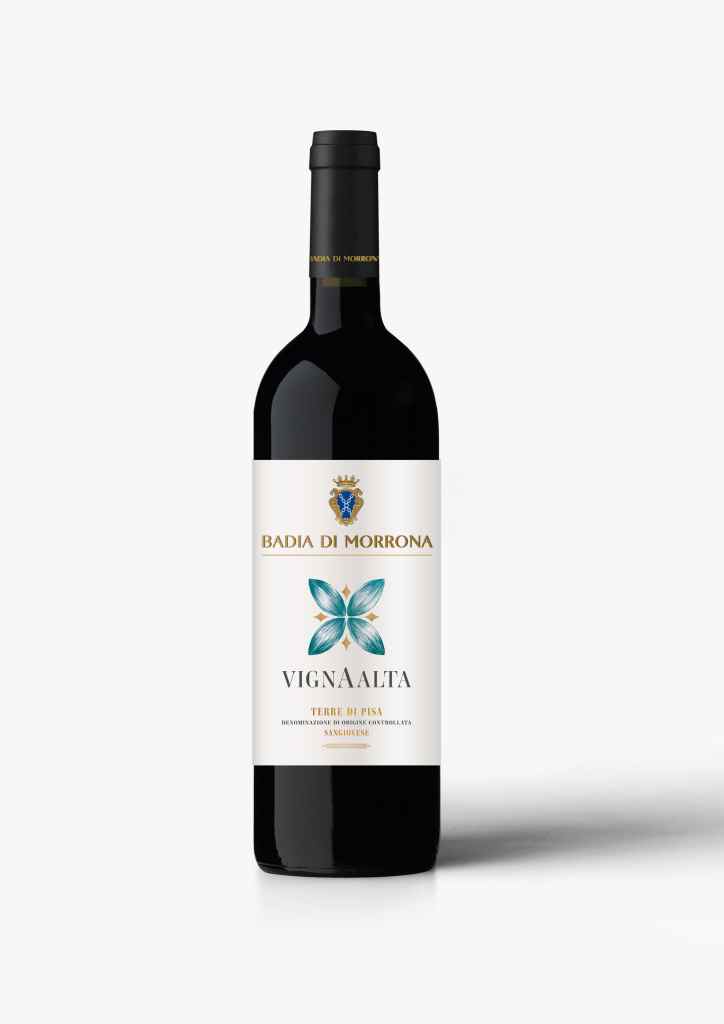
VIGNAALTA,Terre di Pisa DOC, is the estate’s most aristocratic Sangiovese and proud denomination leader. It is produced from only the finest-quality grapes from the vineyard of the same name, which, as its name implies, covers Badia di Morrona’s highest hill. The 8-hectare parcel, caressed by constant breezes, is rooted in sandy soils rich in fossil coral, testimony of an ancient seabed. From the first sip it reveals a Sangiovese that is vibrant and elegant.
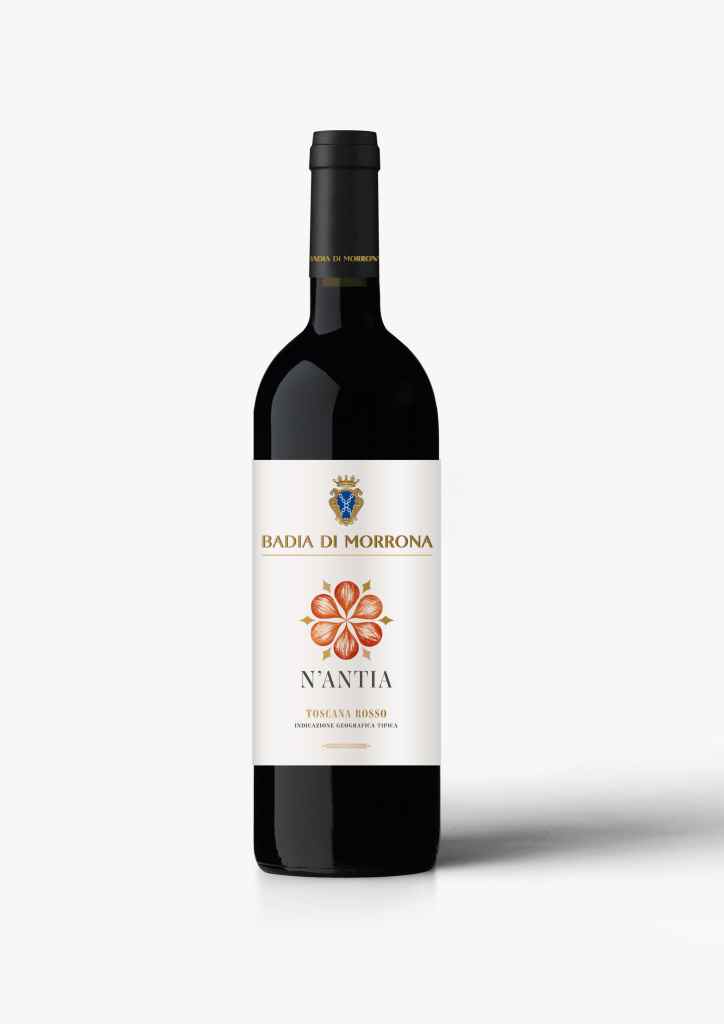
N’ANTIA Toscana Rosso IGT is a blend of Cabernet Sauvignon, Cabernet Franc, and Merlot from a single parcel of the estate’s oldest vineyards—over 35 years old. These striking “wooden sculptures” enjoy a clay soil with abundant travertine fragments and yield a wine of profound, forceful character.
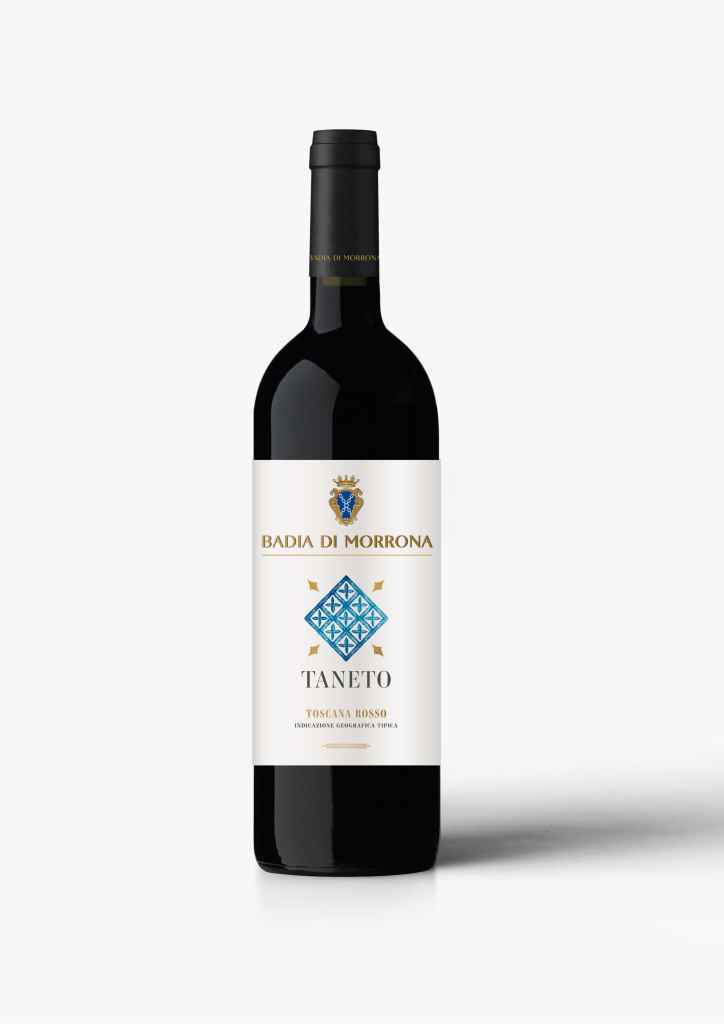
TANETO Toscana Rosso IGT is a Syrah-based blend from vineyards planted in soils particularly rich in fossil shells. They contribute to TANETO’s marked minerality, which in turn perfectly complements Syrah’s classic spiciness.
The grapes, harvested exclusively by hand, are quickly brought to the semi-underground, energy-self-sufficient cellar. Following fermentation in stainless steel, the three wines then take different paths. VIGNAALTA spends two years in large oak ovals, while N’ANTIA and TANETO rest in standard oak barrels for 15 and 12 months, respectively. Finally, all three refine their qualities in traditional concrete vats before bottling.
This late autumn, VIGNAALTA 2019 and N’ANTIA 2020 along with TANETO 2021 land in both the Italian and international markets.
*
Badia di Morrona is located in Terricciola, between Pisa and Volterra. The heart of the estate is the ancient monastery, Badia di Morrona, dating back to 1000 AD. The iconic grape is Sangiovese, planted in more than half of the 110 hectares of vineyards owned by the estate, with the remainder in Vermentino, Chardonnay, Viognier, Merlot, Syrah, and Cabernet. This viticultural wealth yields a well-integrated collection of wines, which boasts coveted crus such as VIGNAALTA and N’ANTIA, of Sangiovese and Bordeaux varieties respectively, and TANETO, the quintessence of Badia di Morrona’s Syrah. The Chianti denomination is well-represented of course, with I SODI DEL PARETAIO in both standard and Riserva versions, and the estate offers also other more everyday labels. The wine portfolio is compellingly complemented by a welcoming hospitality programme: distributed throughout the estate are large, meticulously-restructured farm residences that are perfect departure points for leisurely exploring this still little-known world in Tuscany.
 Vineyards Magazine