The grape harvest is now over at Ornellaia.Technical Director Marco Balsimelli talks us through the 2025 vintage, a year of great promise.
An overview of the 2025 vintage
“2025 was a waiting game. The grapes were slower to ripen than we had imagined, a positive thing, because it always results in fully ripened skins with complex aromas and refined tannins, as well as good balance between the sugar content and the acidity.”
2025 began with a cool, rainy spring, allowing water to be stored to face the months ahead. In the second week of May, the weather changed, bringing a sharp rise in temperatures and stable conditions. June stood out for being exceptionally hot and dry, setting a high-quality profile for the grapes. More moderate temperatures in July enabled the vines to maintain good vegetative balance. The high temperatures in early August favoured density and structure, while the rain at the end of August and early September provided relief. The Merlot, which was picked in early September, benefitted from amazing harvest conditions, resulting in freshness and concentration in the grapes. The final week of the harvest was exceptional: clear skies and swings in temperature from day to night prompted the full phenolic and aromatic ripeness of the Cabernet Franc and Cabernet Sauvignon.
The 2025 vintage in detail
A cool, wet start to the spring
March brought normal temperatures and wet conditions. In the middle of the month, low temperatures, nearing freezing point in the coldest areas, slowed the budbreak of the earliest Merlot vines, which occurred at the end of March. The continued cool temperatures caused a slowdown in the vegetative growth, meaning that the daily developmental rhythm was reduced as seen in a 10-day delay compared to 2024. Normal vegetative development resumed in mid-April due to a rise in temperatures.
The turning point after May 8
“June was one of the hottest and driest months ever recorded in Bolgheri, a cause for concern if the summer had continued that way. Fortunately, July proved to be cooler and that freshness allowed the vines to regain balance.”
After May 8, there was a marked improvement in the weather conditions, with dry, sunny days that allowed the vines to resume growth. Flowering occurred at the end of May. During the first half of August, the high temperatures returned, with several days reaching significant peaks.
The harvest
“The key to this vintage was tenacity and the ability to observe, wait and harvest at the right moment. We spent a lot of time in the vineyard, closely monitoring the evolution of each parcel to capture the ideal point of ripeness
Late September and the beginning of October brought perfect conditions: clear days, cool daytime temperatures and cold nights.
Sauvignon Blanc started to be harvested on August 18th, followed by Viognier on the 22nd, Sémillon on the 27th and Vermentino between September 3 and 11. The parcels of Merlot, showing surprising freshness and even ripening, were harvested starting August 28th.
However, the weather proved unpredictable in September. The month began with localised showers, followed by more significant rainfall around the 10th. During the rest of the harvest period the weather remained stable and sunny, encouraging even ripening.
Ripening evolved slowly in the other varieties as well, the hallmark of a vintage with great quality potential. Cabernet Franc and Petit Verdot were harvested from September 16th onwards, followed by Cabernet Sauvignon starting on the 17th, with the harvest concluding on October 3rd.
Quality of the wines
“After initial tastings, the great quality of these wines lies above all in their vibrant freshness. When we talk about acidity, we’re talking about longevity. I believe these wines will have a bright future. These will be wines with great ageing potential, yet also with density, real character and profound intensity… I’m certain that Ornellaia 2025 will express the personality, diversity and beauty of our terroir to the fullest.”
The Merlot shows a strong character this year: fresh, yet dense. Acidity levels are higher than usual, likely due to the cooler temperatures recorded in July, which preserved aromatic freshness and palate tension. It’s probably the variety that expresses the most tension and minerality in 2025. The Cabernet Franc reveals the potential of the vintage in an extraordinary way. The wines are balanced, fresh, aromatically intense and complex, with an elegant body and long finish. They strike a perfect balance between delicacy and intensity. The Petit Verdot is concentrated, with expressive aromatic profiles: complex, yet true to varietal character, showing notes of rose and pepper. The Cabernet Sauvignon displays a juicy, fleshy character that is typical of Ornellaia. It represents classicism with great depth, density and concentration, yet always balanced, fresh and with incredible length provided by dense, silky tannins.
From South Tyrol to Sicily, the verdict on the 2025 harvest was consistent: a slightly early, compact vintage, handled by producers with perfect timing and great professionalism, bringing grapes of remarkable quality to the cellars.
The result is wines with a balanced profile and excellent prospects for the future. Quality prevailed over quantity.
Below are the statements from the producers:
Northern Italy
In Trentino-Alto Adige, the pace was intense from the very first days of harvest.
At Cantina Terlano and Cantina Andriano, the 2025 vintage was marked by a rapid harvest. The clusters reached full ripeness early, with excellent grape quality. The heatwave in early August accelerated ripening and, as Kellermeister Rudi Kofler notes, “gave us grapes with great concentration”. Harvest began on August 26, and the slightly unstable weather at the beginning of September did not affect grape quality.
Also at Cantina Kaltern, picking was compact and intense, starting on August 25. A few rain showers complicated logistics, but “once again, our members’ dedication demonstrated our efficiency,” says Thomas Scarizuola, Kellermeister. In the cellar, early tastings suggest expressive and well-structured wines, with Pinot Bianco, Sauvignon, Schiava, and Lagrein standing out.
At San Leonardo, the harvest traditionally begins in late August or early September with Sauvignon Blanc and ends around October 10 with Carmenère. 2025 followed that pattern. “It was a distinctive year climatically, not excessively hot, but with abundant rainfall. The yield was modest, but the quality was excellent,” says Anselmo Guerrieri Gonzaga. “So far, the wines in the cellar show brilliant colours and intense aromas.”
In Franciacorta, Mosnel faced a challenging but rewarding year, beginning harvest on August 12 with Chardonnay, Pinot Bianco, and Pinot Nero. By late September, the last variety, Erbamat, had reached the cellar. “All grapes were very healthy, ripe, and of exceptional quality,” says Giulio Barzanò. “In the cellar, our first impressions are excellent: the diversity of varietal expressions suggests a long-lived vintage.”
In Piedmont, on the Bussia hills of Barolo, Parusso also experienced high summer temperatures, followed by alternating warm and cool September days. On September 24, a drop to 10°C created ideal conditions for refining the aromas and tannin ripeness of Nebbiolo. Harvest ended in early October. “The grapes are ripe, healthy, smaller, and looser than usual, with a good sugar-acid balance. Everything points to an excellent vintage; in a few months, we’ll see how well we’ve captured it,” says Marco Parusso.
In Liguria, LVNAE began picking just after August 15 with grapes destined for its Metodo Classico sparkling wine. By late August, Vermentino was harvested, starting from the lower areas and gradually moving uphill. “We were able to work precisely and harvest each plot at optimal ripeness. The condition of the grapes was perfect: intact and of high quality,” says Diego Bosoni. A few rainy days caused brief interruptions, but the mild climate around Luni was once again favourable. “We believe this could be one of the most interesting vintages of the last four or five years,” he concludes.
Central Italy
In Chianti Classico, Castello di Querceto reported healthy, perfectly ripe grapes of high quality. “The yield,” notes Simone François, “was smaller, especially for Sangiovese, as the berries were not particularly large. We have the feeling this will rank among the best vintages of recent years.”
“It was a summer we haven’t seen in a long time,” says Emanuele Reolon, director of Isole e Olena. “The grapes ripened evenly and completely, promising an excellent vintage.”
At Bertinga, both Merlot and Sangiovese were harvested between late September and early October. “Low temperatures at the end of September were crucial for Sangiovese, ensuring perfect ripeness and health,” explains production manager Elisa Ascani.
At Castello di Fonterutoli and Ipsus,Giovanni Mazzei reports: “2025 was an ideal year with a classic climate reminiscent of the 1980s, something we hadn’t experienced for decades. We harvested perfect grapes with high acidity and low pH. We expect elegant, aromatic wines with crisp freshness and silky tannins. We’re very pleased.”
For Arillo in Terrabianca, the harvest concluded on October 10with great satisfaction. The Terrabianca vineyard in Radda in Chianti was, as usual, the last to be picked. The Sangiovese reached full ripeness, rich in aromas and ready to produce elegant, age-worthy wines.
In the Brunello area, Biondi-Santi’s director of viticulture and oenology Federico Radi notes that the 2025 harvest “shows all the key quality parameters.It is not a particularly high-alcohol vintage; on the contrary, the grapes show remarkable freshness, and excellent pH values – perfectly in line with what we want for a Biondi-Santi wine.” The summer was moderate, with only two to three weeks of intense heat that actually favoured vine growth. “We were under no pressure; the weather allowed for thoughtful decision-making,” Radi concludes.
At Giodo, harvest began in the second week of September. “The grapes showed crispness and elegance, suggesting great longevity for the Sangiovese,” says Bianca Ferrini. “It’s an important vintage: we are extremely satisfied with the work carried out throughout the year and confident that it will yield outstanding, age-worthy wines.”
In Maremma, at Fattoria Le Pupille, sun and heat in late August accelerated ripening, which then slowed with September rains. “It’s striking how harvest patterns have shifted – rainfall now plays a growing role, whereas before 2023 it usually came only in autumn,” observes winemaker Ettore Rizzi. “The grape quality is very high: Sangiovese shows small but concentrated berries, resulting in slightly below-average yields but excellent balance and moderate alcohol.”
At Castello di Vicarello, yields were also lower than expected, but the wines show lively acidity, fine phenolic ripeness, and slightly lower concentration – resulting in lower alcohol content. “They’re more approachable wines, in line with today’s market preferences,” observes Brando Baccheschi Berti. “We expect good longevity and elegant, fresh and spicy aromas.”
In Val d’Orcia, at Tenuta di Trinoro, harvest began on September 8 with Semillon, followed by Merlot on the 18 – 20, just before a week of rain. “We started at dawn to pick as cool as possible, stopping by 10:30 a.m. when the sun became too strong,” recounts Benjamin Franchetti. The first Cabernet Franc grapes were brought to the cellar in early October, “starting from lower vineyards and moving uphill. We picked in true autumn weather, dry and breezy from the north wind, allowing us to wait for the perfect moment in each plot. We concluded on October 10 with Petit Verdot from the higher vineyards.
Southern Italy
In Sicily, Tasca d’Almerita reports a long, overlapping harvest across its five estates, spanning over ninety days. “A mosaic of harvests,” they explain, “that after the climatic extremes of past years, brings freshness, complexity, and balance.” The musts show vibrant acidity and full phenolic ripeness, producing authentic wines deeply rooted in their terroir. The season began under excellent conditions: generous winter rains and spring showers built precious water reserves even in the southernmost vineyards. Though the Sicilian summer was hot, significant day-night temperature swings – over 21°C in July at Tenuta Regaleali – preserved freshness, acidity, and aromatic complexity.
“The 2025 production is in line with expectations,” confirms Alberto Tasca d’Almerita. “The white musts show a harmonious sugar-acid balance with floral and fruity notes, while the red ones achieved full phenolic ripeness, excellent concentration, and structure. We’re now awaiting the final picking on Mount Etna, where harvest is still underway…” In Apulia, Tenuta Liliana finishes the harvest with enthusiasm: “An excellent vintage, marked by pronounced acidity, moderate alcohol, and promising aromas: wines with a Mediterranean yet modern character,” says producer Antonio Intiglietta. The 2025 harvest brought ripe white grapes with outstanding acidity. The red harvest began on September 10 with perfect fruit that benefited from the month’s sharp temperature contrasts.
On festive tables, the Venetian company’s first historic barricaded wines convey all the charm and authenticity of eastern Veneto.
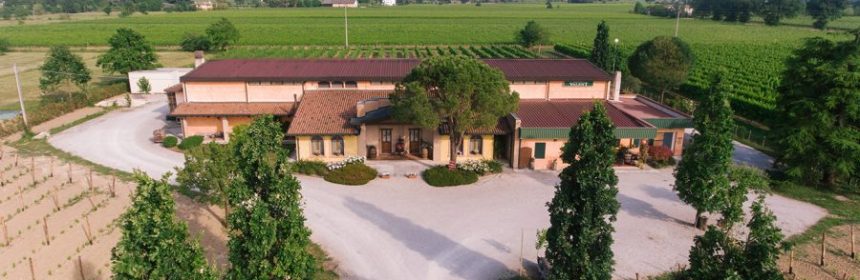
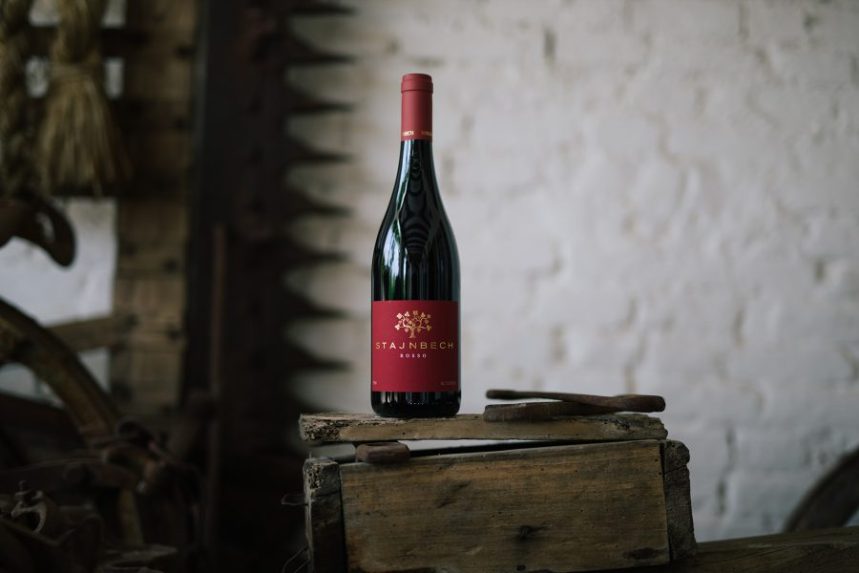
All the charm and authenticity of Eastern Veneto can be found on festive tables, thanks to two prestigious labels from the Venetian winery Stajnbech, based in Belfiore di Pramaggiore: two wines that take their name from the winery to highlight the prestige of being the first wines produced in the superior line: Stajnbech Bianco and Stajnbech Rosso.
We are in the Pramaggiore area, a wine-growing region with gentle vine-covered slopes, where the soils are rich in clay and limestone. Stajnbech uses three grape varieties to create these two wines: Chardonnay for Stajnbech Bianco, and Cabernet Sauvignon together with Refosco dal Peduncolo Rosso, which are blended to produce Stajnbech Rosso.
Stajnbech Bianco
It is a wine that expresses itself with refinement, proudly and characteristically recounting the Veneto region that produced it. The Chardonnay, offered in a barrique version, conveys all the oenological vocation of the Lison-Pramaggiore area, where modern winemaking techniques combine with tradition to create long-lived, intense and harmonious white wines. It is here that this grape variety finds the ideal habitat to evolve into an enveloping and refined wine. Bright golden yellow in colour, with warm, luminous reflections, it opens on the nose with broad, enveloping notes of ripe yellow fruit (peach, pineapple, golden apple), citrus and buttery nuances, delicate hints of vanilla, toasted hazelnut, acacia honey and sweet wood.
On the palate, it is round, full and velvety, supported by a balanced freshness and a fine minerality that balances its richness. The wood is well-balanced, never intrusive, and accompanies the wine towards a long, elegant and slightly savoury finish. It is perfect with structured dishes, such as baked or crusted fish, even with delicate sauces, white meats, such as roast chicken or lemon rabbit, semi-mature cheeses, even slightly blue-veined, creamy risottos, especially with mushrooms or shellfish.
Stajnbech Rosso
This wine combines local character with international flair, vividly expressing the eastern Veneto region where it originates, an area rich in history, passion and character. The barrique-aged blend of Cabernet Sauvignon (30%) and Refosco dal Peduncolo Rosso (70%) creates a harmonious combination: the former lends elegance and depth, while the latter adds good aromatic concentration. Thanks to the clayey and calcareous soils of the area and the mild climate, the grapes reach optimal ripeness, resulting in an expressive and well-balanced red wine.
Ageing in oak enhances the richness of the wine, with hints of ripe red fruit and delicate spicy nuances. On the palate, it is full-bodied and structured, with well-integrated tannins and a lively freshness. Ideal with rich and flavourful dishes: grilled or braised red meats, game, mature cheeses and traditional Venetian specialities such as muset con il purè (minced pork with mashed potatoes).
During the Chishui River 2025 Forum held recently in Guizhou Province, south-western China, a global declaration on fine wines and spirits from the Chishui River was released.This declaration is an exhortation to wine and spirits producers to respect nature and safeguard the environment, uphold quality and pass on culture, promote rational and healthy alcohol consumption, take responsibility and serve society.Furthermore, during the Forum, it became clear that wind energy and wine and spirits producers need to pursue technological empowerment and integrated development, promoting openness, inclusiveness and mutual respect, encouraging exchanges and mutual learning for coexistence and shared prosperity.
Global Fine Wines & Liquors Declaration of Chishui River
In our shared pursuit of promoting exchanges, mutual learning, coexistence and common prosperity in the global wine and liquor sector, fulfilling social responsibilities, building consensus for development, and advancing the industry’s progress, we hereby jointly issue this declaration on the banks of the Chishui River:
I. Respect nature and safeguard ecology
Respect and protect water sources, climate, raw materials and other brewing resources, adopt green and sustainable production methods, and safeguard the ecological balance.
II. Uphold quality and inherit culture
Adhere to innovation based on inheritance, improve the full-chain quality management system, achieve outstanding quality with craftsmanship, and pass on the intangible cultural heritage and classic techniques contained therein.
III. Advocate rational and healthy consumption
Strengthen public guidance, advocate moderate drinking, carry out responsible marketing, and foster a civilized, healthy and enjoyable drinking culture.
IV. Fulfill responsibilities and serve society
Integrate ESG principles into the entire development process, and contribute to a more harmonious social environment through public welfare practices and a sustainable ecological system.
V. Pursue technological empowerment and integrated development
Proactively embrace modern science and technology, advance digital-intelligent transformation, enhance product stability and style diversity, and provide consumers with high-quality and diversified options.
VI. Cultivate innovative experiences and enrich connotations
Explore the spiritual value and historical depth of drinking culture, and create drinking experiences that are ritually rich, culturally meaningful, and interactive.
VII. Foster openness, inclusiveness and mutual respect
Respect the historical origins, etiquette and brewing techniques of all alcoholic beverages around the world, honor the cultural customs of all parties, and use these drinks as a bridge to enhance understanding and jointly safeguard the rich landscape and spiritual core of global drinking culture.
VIII. Promote exchanges and mutual learning for coexistence and common prosperity
Establish a regular and diversified international dialogue mechanism, organize activities such as cross-border tastings, exchange visits, and cultural forums, promote mutual learning through exchanges, and achieve coexistence through integration.
Let’s take the Chishui River as the starting point, unite our efforts, and forge ahead with unwavering determination to jointly fulfill our commitments and create a sustainable and prosperous future for the global beverage alcohol industry.
• Contribution by Prof. Andrei Chevelev on “Symbiosis between Heaven and Earth”
Across civilizations, “Heaven and Earth” have symbolized the order of nature and the destiny of humankind. To live in symbiosis with them means to recognize that human prosperity depends on ecological balance, and that our cultural traditions are themselves born from the landscapes, climates, and resources that sustain us.
In Chinese thought, this harmony is expressed through the ideal of the unity of nature and humanity. In many ways, this concept resonates deeply with UNESCO’s vision of sustainable development and cultural diversity — that our material progress must be guided by respect for both the natural and the cultural ecosystems that nurture human creativity Looking from the West, we are convinced that the Chinese culture is firmly based on the tea. However, with all our respect for remarkable Chinese tea, we clearly understand that it would not bring together so many outstanding people far from the capital. So, the conclusion is clear- Maotai is this unique and magic instrument which has been a key to Chinese traditions and a historic window to the world.
Beyond its taste, Moutai is an emblem of harmony:
• Harmony between man and nature, through respect for natural rhythms and local ecology;
• Harmony between tradition and innovation, as ancient techniques are preserved while modern standards of sustainability are embraced;
• Harmony between people and nations, as Moutai has become a symbol of cultural dialogue — a bridge between China and the world.
In 2021, Moutai was included in the national list of intangible cultural heritage — not just as a beverage, but as a cultural ecosystem that embodies the Chinese philosophy of “Heaven–Earth–Human” unity. This idea of harmony through alcohol culture is not unique to China; it is a shared human story.
In Japan, for example, the brewing of sake follows a sacred rhythm linked to rice cultivation, water purity, and seasonal festivals. The brewers’ dedication reflects the Shinto belief that natural elements — mountains, rivers, grains — possess a divine spirit. Sake-making, therefore, becomes a form of worship — an act of gratitude to nature. UNESCO recognized this living tradition as an element of intangible cultural heritage, illustrating how ancient wisdom can guide sustainable practices even today.
In France, the wine-growing landscapes of Burgundy and Champagne tell a similar story. These regions, also recognized by UNESCO, demonstrate how generations of vintners have cultivated a landscape that balances agricultural productivity with environmental preservation. Vineyards are not only economic assets; they are cultural landscapes, living testimonies to the mutual respect between people and the earth.
These examples — from Moutai to Vodka and Sake and to French Wine — remind us that cultural heritage and sustainability are inseparable. When we protect living traditions, we also protect the environments that sustain them. When we value heritage, we encourage responsible production, ecological stewardship, and intergenerational transmission of knowledge. In the words of UNESCO, “Cultural diversity is as necessary for humankind as biodiversity is for nature.” Now, I would like to say something as a recent winner of the title “Guardian of National Culture” established by Renmin Ribao, People’s Daily.
What you are doing here, has an official name – safeguarding the Cultural Heritage.
And more precisely – Intangible Cultural Heritage. Because liquor making, especially in the case of Maotai, it is a “know-how” transmitted through generations and centuries. It is an out-of-time sign of the Chinese cultural identity. Every Chinese in every corner of our planet while tasting Maotai will remember his country, his family, his friends. Wine, whisky, cognac, vodka, or Maotai- each of them reflects a philosophy, a way of life, and a vision of beauty. This is why today’s dialogue is not simply about beverages. It is about understanding each other through what we create, through what we share.
It is about our common values.
A year ago, I was privileged to attend personally in Beijing the speech by President Xi Jinping on the occasion of the 75th anniversary of the establishment of the People’s Republic of China. The President said: “Humanity lives on the same planet, and people of all countries share a common future”. These words are exactly about what we make and what we give. This approach invites us to see traditional industries — including liquor-making — as laboratories of sustainability, where ancient knowledge and modern science can cooperate for the common good. The Moutai Forum offers precisely that: a platform where policymakers, entrepreneurs, and scholars can exchange ideas on how to integrate cultural heritage preservation into sustainable development strategies.
Imagine partnerships between the liquor-producing regions of the world — China’s Moutai town, Japan’s sake breweries, France’s vineyards — to share best practices in water conservation, renewable energy, waste reduction, and heritage education. Such initiatives would not only strengthen industries but also build a global alliance for cultural and ecological harmony. We were asked to think about the Generation Z and its specific choices. Frankly speaking, all of us are not thinking in these X, Y or Z age categories and I was surprized to know that all of my three children belong to this Generation Z.
Since then, I am trying to understand what is characteristic for them. Decoding Generation Z consumption is not just about understanding a generation. It is about decoding the next decade of growth and creativity. And this generation redefines what consumption means. Moreover, this generation Z will strongly influence the next one. The letter Z chosen for the current young generation, symbolizes an end of one tradition and a birth of another. They say that the next generation will bear the name “Alpha” and the circle will restart moving.
Born between the late 1990s and early 2010, Generation Z has grown up in a hyperconnected world: – digital, diverse, and driven by values rather than possessions. They have witnessed economic crises, climate anxiety, social activism, and the rise of authenticity as a currency. For them, drinking is not about intoxication, – it is about expression. It is social, symbolic, and increasingly selective. For previous generations, luxury meant exclusivity. For Generation Z, luxury means personal relevance. They care less about the logo on the bottle, and more about the story behind it: – the craft, the sustainability, the transparency.
As a European, I must confess: the first time I tasted Maotai, I was intrigued. It was unlike anything I had known before. It was not only a flavour – it was an experience. Behind its complex aroma, I could sense centuries of tradition, patience, and harmony. Maotai is not merely a drink – it is the embodiment of Chinese craftsmanship, philosophy and cultural pride. It reflects the Chinese belief that time, balance, and respect for nature are the essence of perfection. In Europe we also have our “spirits”: cognac from France, vodka from Russia – each born from local landscapes, climate and centuries of mastery. They too, tell stories of human creativity and connection to the land. But what unites all these traditions – East and West – is something deeper: the celebration of life, of friendship, and of the art of sharing. When we bring these traditions together – the refined precision of Maotai and the inventive artistry of Western liquors – we discover a beautiful harmony. We discover that the East and the West are not opposite, but partners in the same great human story. The President talked exactly about it. To cultivate the symbiosis between Heaven and Earth is to recognize that every drop of spirit — whether Moutai, vodka, sake or wine — carries within it a message of coexistence. It tells us that culture begins in the soil, matures in human hands, and blossoms in shared celebration. If we can preserve that harmony — between people and nature, between tradition and progress, between China and the world — then we will truly honor the legacy of Heaven and Earth. In a sense, every cultural dialogue is like distillation: through patience, respect, and openness, we create something pure.
Message of the Mongolian Ammbassador
Contribution of H.E. Sinisa Berjan, Ambassador of Bosnia and Herzegovina to China
We gather in the beautiful Maotai Town of China not only to discuss strategies for the development of the global liquor industry but also to use wine as a medium to promote dialogue between civilizations and connection between hearts and minds. On behalf of Bosnia and Herzegovina, I would like to extend our warm congratulations on the successful opening of this forum!
Bosnia and Herzegovina and China have long maintained friendly relations. In recent years, under the strategic guidance of our two heads of state, exchanges and cooperation between our two countries in the fields of politics, economy, trade, and culture have been continuously deepened. The relationship between our two countries has become a model of friendly cooperation between large and small nations and a fine example of developing countries joining hands to achieve modernization.
Wine is a common cultural language of humanity. In Bosnia and Herzegovina, we have a long tradition of wine-making and customs of warm hospitality. In China, the millennia-old liquor culture is imbued with the philosophical wisdom of “Harmony between Heaven and Man.” The theme of today’s forum, “Interweaving Harmony,” precisely encapsulates this wisdom – it advocates harmony and mutual prosperity for all things, which aligns perfectly with the pursuit of sustainable development in the global liquor industry.
Currently, the world liquor industry is facing the contemporary challenges of transformation and innovation. From ecological production to digital transformation, from cultural heritage to market expansion, we need more open vision and a more inclusive mindset. Bosnia and Herzegovina firmly believes that the diversity of civilizations is like the varieties of grapes – each flavor deserves respect, and every terroir is worth protecting. We also look forward to deepening cooperation with China and global liquor enterprises to build bridges in technology, trade, and culture.
Lastly, I would like to thank China Economic Information Service and Kweichow Moutai for initiating and organizing this forum. I also pay tribute to all friends who have contributed to cultural exchanges and industrial cooperation between China and the rest of the world. May we raise our glasses not only to savor the fine liquor but also to witness the blend of friendship and wisdom.
Contribution by Marco Leporati Managing Director Savino Del Bene Cina on The common view between China and Italy
In the past centuries the exchange between China and Italy has been continuous just few moments
When the Roman soldiers arrived in Gansu region ans some coin has been discovered
When Marco Polo did the long trip around China and he was surprised to find the first paper money printed in Hangzhou area.
When the Chinese emissaries from emperor arrived in Naples and Florence around the XV Century
In Beijing in China world art Museum in the circular room with the bas relief
Among the most important chinese persons contribute to development of China there are Marco Polo and Matteo Ricci
Regarding Opera the famous Opera Turandot with the music of Giacomo Puccini has some refrain took inspiration from chinese song
Also the food and beverage have some similarities.
China have 8 cuisines with a variety of thousands of dishes and a history of part of them.
The pasta or noodles, some way to cook the rice some bread like pizza make our two countries close. Regarding this issue I would like to entry more deeply in the common way to cook but unfortunately the time is limited. Italy because of the historical domination has collected a variety of dishes always related to the domination and population. In the specific topic of this conference we can observe that geographic features can offer for wine and liquor the same way to produce and to consume.
One common issue is the terroir and the same latitude. Here it is the kingdom of Moutai, drink with one thousand tears history. Italy is a kingdom of Grappa and Wine of course the row material is different: Maotai from cereals fermentation, grappa from pomace fermentation (skin seeds from grape previously used for wine production but for both products we have sou of the people. How to combine liquor, wine and fashion of lifestyle? It is possible because from my point of view we need to combine our tradition with the experiential. The last Italy-China fashion hold in Milan during the Milan fashion show in last September forging a new era of sino-italian fashion collaboration.
We know many Chinese designers and creators are using Italy like an incubator to create a new trend of fashion, also in this case, with tradition and future vision.
Confucio said:
If your plan is for one year sow the rice
If your plan is for the years plant the trees
If your plan is for 100 years educate the children
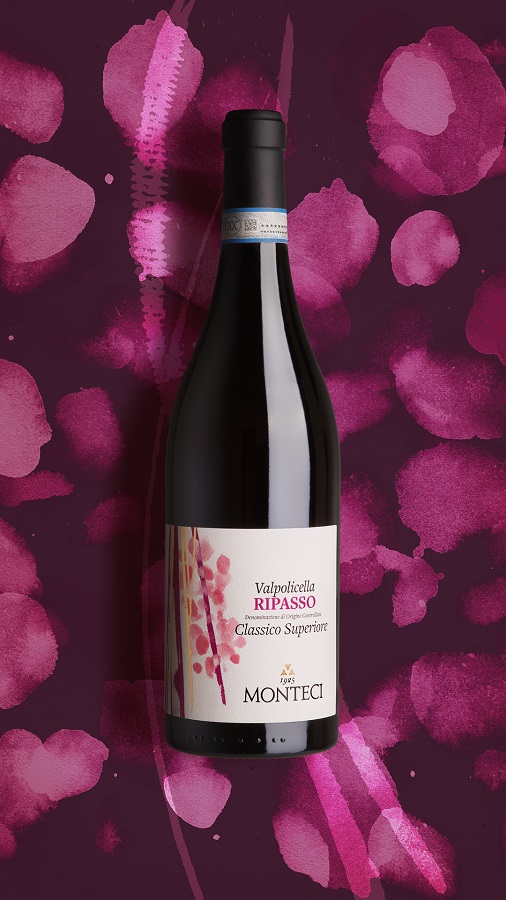
In the heart of Valpolicella, a land dedicated to excellent viticulture, Valpolicella Classico Superiore Ripasso DOC Biologico Monteci is born, a wine that expresses tradition, passion and respect for the land.
Produced from native grapes grown according to the principles of organic farming, Valpolicella Classico Superiore Ripasso DOC Monteci expresses a perfect balance between tradition and sustainability. A respectful approach to the land allows us to obtain genuine grapes, capable of restoring all the aromatic richness of the Veronese terroir.
Ripasso, from which this wine takes its name, is an ancient technique, born from peasant wisdom and human ingenuity, to make the most of every part of the harvest. Monteci has reinterpreted it with rigour and originality: Valpolicella is refermented in contact with the pomace of dried grapes already used for the production of Amarone and Recioto. This step gives the wine greater structure, complexity and aromatic intensity, making it an authentic and powerful expression of the territory.
This process, combined with ageing in oak barrels for at least 24 months, gives the wine greater structure, intensity and aromatic complexity, expressed in a bouquet of red fruit aromas, floral scents and pleasant spicy notes.
Monteci’s Valpolicella Classico Superiore Ripasso DOC Biologico has an intense red colour with garnet reflections and a full, full-bodied taste.
An ideal wine for those seeking authenticity and quality, in a bottle that tells the story of the beauty of Valpolicella, without compromise.
Born as a visionary project, Ipsus has swiftly become a distinctive voice within the world of Chianti Classico, the emblem of a Sangiovese cru “noble by nature”. With the 2021 vintage, this Gran Selezione once again confirms its place among the most radiant and authentic expressions of the appellation.
Ipsus is an independent wine that reflects its terroir with unadulterated clarity, the expression of an exceptional place and a clear idea: to let the pure character of Sangiovese speak for itself.
wine, still life, interior photography
“Ipsus requires, in the truest sense of the word, an open dialogue with the land,” says Giovanni Mazzei,custodian of Ipsus. “It is guided not by time but by place”.
At Podere Il Caggio, in Castellina in Chianti, Sangiovese vines take root in clay-schist and calcareous marl soils rich in Alberese stone, facing south-east to south-west at elevations between 310 and 361 metres. This unique habitat lends Ipsus its refined tannic structure, mineral depth and unmistakable sense of place, qualities that, since the inaugural 2015 vintage, have captivated collectors and wine lovers worldwide.
At Il Caggio, Sangiovese is vinified from a small 6.5-hectare vineyard, embraced by a mosaic of woods, olive trees and dry-stone walls.
“Ipsus is a wine of precision and instinct,” continues Giovanni. “Since the very first harvest, I have been fascinated by the natural balance this terroir imparts to its fruit. That is why we practise a respectful, biodiversity-driven viticulture – green manuring, conservative methods – always with the sole purpose of nurturing the vineyard’s own voice.”
The 2021 vintage was characterised by a harsh, dry winter followed by a cool spring with moderate rainfall that nourished the soil without excess. The hot, windy summer brought marked diurnal temperature shifts, enriching the grapes with aromatic complexity and freshness. Ideal conditions in September ensured a brief yet flawless harvest, carried out between the 28th and 29th. “The grapes arrived at the winery in perfect condition, with ripe tannins and thick, deeply coloured skins,” explains Gionata Pulignani, head of the technical team. “We immediately knew that this would be an exceptional harvest, destined to produce an intense, deep and vibrant Ipsus.”
Ipsus bears the symbol of a roe deer, strong and elegant, deliberately preserving a wild spirit and a distinctly contemporary vision. The 2021 edition was limited to 6,450 bottles, 400 magnums and 80 jeroboams.
***
Ipsus is a Chianti Classico Gran Selezione created in 2015 by the Mazzei family, Tuscan winemakers for over 600 years, at their Podere Il Caggio estate. Giovanni Mazzei is the face and driving force behind the project. Ipsus is free, precious, and vital, like its symbol: a young roe deer depicted on the silk paper in which each bottle is wrapped. A 100% Sangiovese of remarkable expressiveness, it stands proud in its performance and selective in its distribution.
Slight recovery in production, though still below historical averages; grape quality is reported to be excellent
The 2025 harvest has begun in Sicily, and the first data collected by the Sicilia DOC Wine Consortium indicates a moderate recovery: production is expected to increase by approximately 10% compared to 2024, a year marked by significant declines. Despite this growth, volumes remain significantly below historical averages, with a 40% shortfall still reflecting the structural challenges posed by climate change and its ongoing impact on viticulture. “The current figures suggest a better harvest than last year, but we must keep in mind that production remains significantly lower than in previous years” notes Camillo Pugliesi, Director of the Sicilia DOC Wine Consortium. “This context calls for cautious optimism; what is certain is the commendable work being done by producers to ensure healthy grapes and high-quality wines.”
Grapes are in good condition, with healthy bunches thanks to a more stable seasonal climate compared to recent years. This bodes well for a vintage which, although not abundant, is expected to offer very satisfactory overall quality. The grapes are showing an excellent balance between sugar and acidity—an essential factor in producing fresh, elegant, and long-lived wines.
The Sicilia DOC Consortium—one of the largest PDO denominations in Italy, covering over 22,500 hectares of vineyards under DOC status—will continue to closely monitor the harvest across Sicily’s diverse wine-growing areas. Inspection and oversight efforts will focus on compliance with production regulations and on enhancing the value of native grape varieties such as Nero d’Avola, Grillo, and Lucido, true ambassadors of Sicilian viticulture around the world.
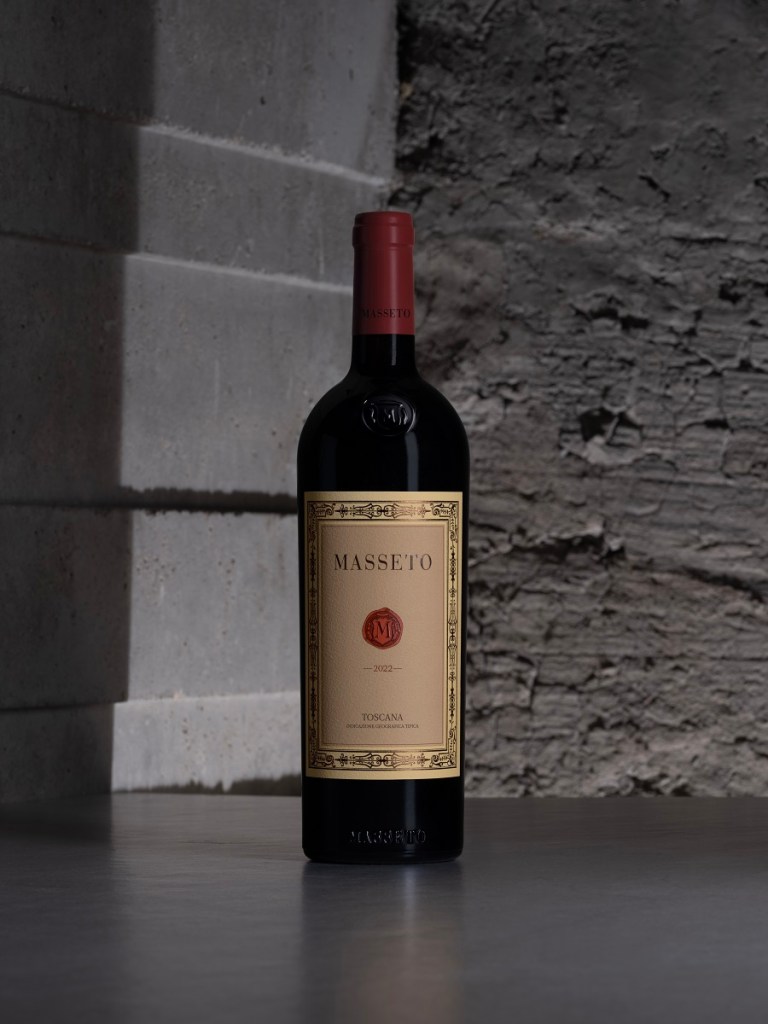
Masseto, first released in 1986, continues its longstanding tradition of unveiling each new vintage as the summer ends and autumn begins. From the Tuscan coastline overlooking the Tyrrhenian Sea, the 2022 vintage is now introduced.
The 2022 growing season unfolded beneath the auspices of a quintessential winter, whereby the cool temperatures remained loyal to the expected cadence of the first quarter of the year. This was succeeded by a spring of notable restraint, both cool and dry, bestowing a measured awakening upon the vines. Towards the end of May, the sun asserted its reign, with temperatures peaking at 35°C and an ensuing stretch of several days devoid of rain. Yet nature summoned summer showers to break the dryness, bringing much-needed respite to the terroir. As the calendar turned to September, nocturnal coolness provided textbook conditions for the nuanced maturation of sugars, aromas and tannins, each element weaving complexity into the fruit.
The harvest commenced under propitious skies, affording the technical team with precise timing for each vineyard parcel. On the 6th of September, the first Merlot clusters were gathered by hand, and with deliberate patience, the harvest journey reached its conclusion on the 9th of October.
“We are satisfied to see howMasseto 2022 carries both the ripe energy of summer and the refined tension of autumn, delivering a vibrant and vertical wine with a lot of purity, a wine with a timeless character. In this very special vineyard that can ripen quickly in hot conditions, we have to be perfect with only one grape variety,” says Marco Balsimelli, Technical Director of Masseto. “That’s the magic of Masseto.”
Grapes harvested from individual vineyard parcels undergo separate fermentations, each conveying their unique character before being united in a blend that reflects the terroir of the estate. The wine starts its 24-month journey in barriques at controlled temperature. Thereafter, the wine is granted a further 12 months of repose in the bottle, during which time a poised equilibrium is attained, an assured harmony of depth and elegance that has long denoted the distinguished style of this wine.
Forged beneath the radiant clarity of Mediterranean light, caressed by sea breezes and rooted in Pliocene-era blue clay earth once cradled by an ancient seabed, this distinguished vintage emerges with resolute grace.
Distribution of the 2022 vintage of Masseto will begin internationally in October 2025.
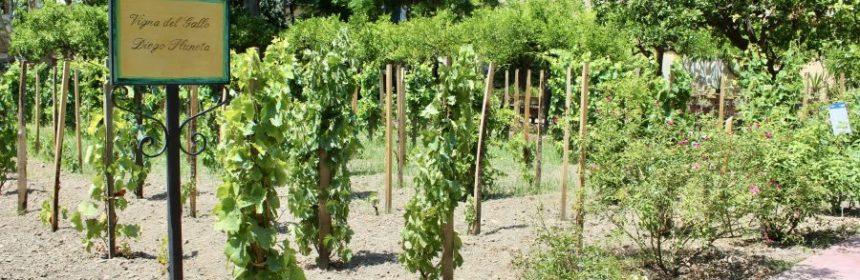
Where once stood the vineyard of Sant’Erasmo, a prestigious estate on the outskirts of Palermo, today there is a space that tells the story of tradition and transformation, a guardian of the past and a workshop of the future, symbol of a concept of wine-growing that has its roots in history and its sights set on the future. Within the Botanical Garden of the University of Palermo lies the ‘Diego Planeta’ Vigna del Gallo, a small but invaluable area of urban biodiversity that reflects the richness, tenacity and vision of contemporary Sicilian wine production. In 2025, seven years after its inauguration, Vigna del Gallo is increasingly asserting itself as an international tourist destination, attracting travellers, wine tourists, and scholars from all over the world. Nestled among the rarest botanical collections and historic avenues of the Garden, this small vineyard, covering an area of 200 square metres, is a bridge between nature, culture and science, between the past and the future.
“La Vigna del Gallo embodies the essence of contemporary Sicilian wine growing: a place where roots meet innovation, where the land interacts with knowledge. It is much more than an urban vineyard: it is a shared project that unites institutions, communities and research to express Sicilian identity in an authentic, contemporary way that is open to everyone,‘ says Camillo Pugliesi, Director of the Consortium for the Protection of Sicilian DOC Wines. ’It is unimaginable to consider the future of Sicilian wine without preserving its memory. Each biotype present in the vineyard is a story that we risked losing: an authentic expression of our history and our territory. In this sense, La Vigna del Gallo is a living, breathing guardian of our identity, a natural archive that reveals what binds us profoundly to the land.”
Antonio Rallo
The vineyard covers approximately 200 square metres and is home to 95 biotypes of native and traditional grape varieties, including Grillo, Nero d’Avola, Frappato, Perricone, Catarratto, Inzolia, Prunella, Muscaredda, Corinto bianco, Cutrera, Zuccaratu and Visparola. This is a genetic and cultural heritage of inestimable value, assembled thanks to the synergy among the Consorzio di Tutela Vini Sicilia DOC (Consortium for the Protection of Sicilian DOC Wines), which has always been committed to protecting the island’s vines and promoting sustainable and responsible wine growing, the Museum System of the University of Palermo, and the Department of Agricultural, Food and Forestry Sciences (SAAF).
Besides its scientific and conservation role, over the years the Vigna del Gallo has taken on an increasingly important role from a cultural and tourist point of view, becoming part of the tours of the Botanical Garden of Palermo, one of Italy’s most important academic institutions, founded in 1789 and now home to over five thousand plant species from every continent. Therefore, La Vigna del Gallo is not just a scientific experiment or a botanical garden: it is an experience to be savoured. With guided tours, tasting sessions, workshops for schools and tourists, and storytelling sessions nestled in green surroundings, this place has transformed itself into a model of slow and conscious hospitality, perfectly in line with contemporary cultural tourism. Its international value has also been acknowledged by the Urban Vineyard Association (U.V.A.), an international network that connects urban wine-growing experiences in various cities, including Paris, Milan, Vienna, Turin and Adelaide, promoting projects aimed at enhancing the urban agricultural landscape, protecting biodiversity and raising environmental awareness. From the heart of Palermo, La Vigna del Gallo is sending out a powerful message: Sicily is a genuine wine-producing continent, extraordinarily rich in biodiversity, knowledge, and visions to share with the world. This message is taking shape through a project that brings together nature, research, and community in a collective, contemporary tale.
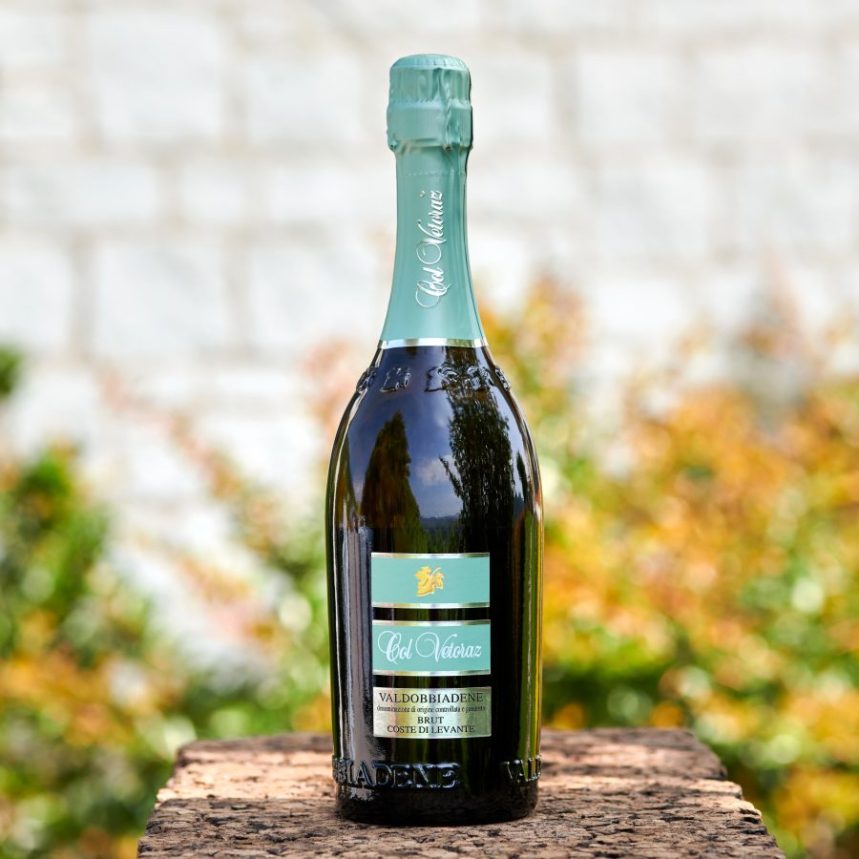
We are in the Prosecco area with the three new Valdobbiadene DOCG wines Coste di Levante, Ponente and Mezzodì. With evocative names paying homage to the hills from which they originate, these wines are made from a careful selection of 100% glera grapes grown on the “coste”, the more or less steep hillsides facing east, west and south.
‘The Valdobbiadene DOCG Col Vetoraz wines,’ explains CEO and oenologist Loris Dall’Acqua, ‘are siblings from the same Mother Earth, namely the foothill system that winds its way from east to west, parallel to Monte Cesen, ideal for imparting good acidity and a good aromatic profile.’
Coste di Levante Brut
The nose reveals notes of lemon and aniseed. On the palate, it has good volume and body.
This wine has great aromatic consistency, reminiscent of acacia citrus fruits and the fruitiness of white peach, pear and apple. It remains a very elegant wine, thanks above all to its very fine effervescence and good liveliness and persistence. Ideal with aperitifs and dishes based on shellfish, fish and white meats.
Coste di Ponente Extra Dry
This Extra Dry wine is produced from carefully selected grapes grown on the west-facing hillsides of Valdobbiadene.
It is a harmonious, elegant wine with a slight residual sweetness. The nose is fruity with hints of peach, pear, rose and honey. It pairs well with light dishes such as ricotta and spinach ravioli on a cream of Taleggio cheese or pappardelle with honey mushrooms, chestnuts and ricotta.
Millesimato Dry Coste di Mezzodì
We are in the hills facing south, growing citrus fruits, lemons and mandarins.
It is persuasive, elegant and complex on the palate, with a fine perlage, notes of freshness with liquorice and aromatic herbs, and a persistent finish that confirms its typical characteristics. It is an ideal wine to finish a meal, paired with panettone and homemade citrus cakes, or at other times of the day.












 Vineyards Magazine