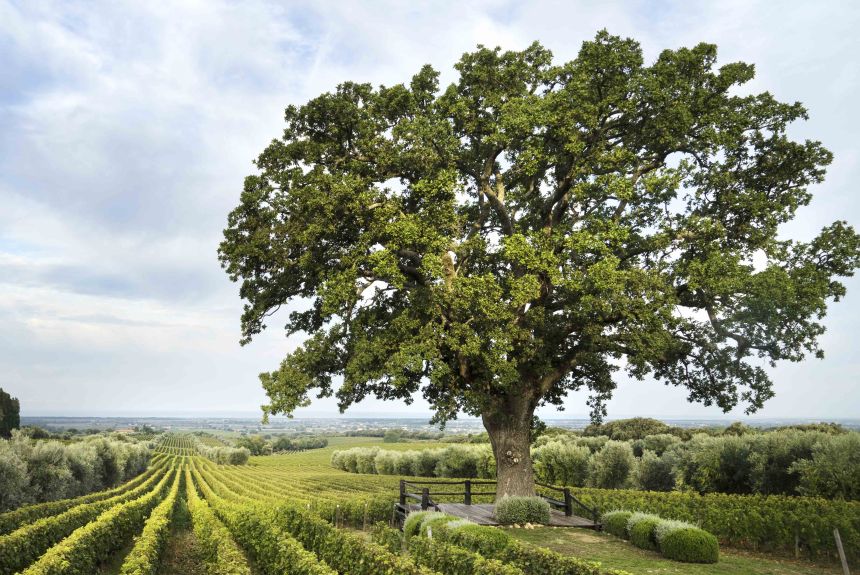
 Undeniably 2017 has been a challenging year in the vineyards. We have become so used to abundant harvests and constantly high quality that it comes as a shock when mother nature makes things difficult for us. In my past 12 years at Ornellaia a few vintages have presented challenges, 2009 & 2014 in particular, but none quite so much as 2017. All the talk so far has been about the low yields, and this is of course an issue for the commercial side, but certain aspects of 2017 give us reason to be happy.
2017 has seen a rare combination of an anticipated growth cycle with hot and dry weather, resulting on one of the earliest harvest in the history of the estate.
The Growing season
An early start with a sudden slowdown
The relatively warm and dry winter, only interrupted by a brief period of temperatures below 0°C in January, and an unusually warm weather in February and March set the stage for an early budbreak, which indeed arrived around the 27th March, a good week before average. April followed the same pattern leading to an explosive shoot growth that got brutally slowed down by a few days of extremely low temperatures that went below 0°C in many parts of Tuscany, causing important frost damages on the vines. Luckily in Bolgheri’s mild coastal climate the temperatures stayed just above zero preventing any frost.
Although May, the third consecutive month with rainfall below seasonal average, was warm and sunny, the shoot growth could not fully recover from the cold wave in April, therefore flowering occurred with canopies that had not reached their full size. The bloom was rapid and very uniform with good fruit set, but due to the slow vegetative growth clusters and berries stayed smaller than usual. On the positive side, the dry and sunny conditions reduced pressure of fungal diseases, allowing us reduce spraying to a minimum.
Summer: it never rains in Bolgheri…but we sometimes wish it would
From June on we saw a particularly hot and dry weather that would stay until mid-September. By July the lasting drought started to create some concern. The clusters stayed small without much berry growth, forcing us to adapt ourselves to the dry conditions, by removing cover crops and operating fruit thinning in order to further stress the vines. Ornellaia’s soil management, based on improving microbiological life and organic content, certainly helped to increase the vines’ resistance to the drought and keep enough moisture in the soils.
Veraison occurred about ten days early third week of July.
The harvest: As fast as you can
The long-lasting drought in the run up to harvest time was a constant source of anxiety, and we knew we could not change this. Not to our surprise the first grape samples showed already high sugars and indicated that we were in for an early harvest. A brief heat spike first week of August further accelerated the ripening and concentrated the berries, leading us to kick off harvest of the first Sauvignons on the 7th August, a date unheard of in Ornellaia. Sauvignon and Viognier harvest was completed by the 17th August and – quite astonishingly – was immediately followed by the usually late ripening Vermentino and Verdicchio. Our experience with white wine making accumulated since 2008, allowed us to avoid the traps of such a warm vintage – early harvest, picking only in the very first morning hours, transporting the grapes in a refrigerated truck and careful pressing in absence of oxygen have helped us to fully express the aromatic quality and maintain a beautiful acidity. Naturally the quality of the vineyard sites and the cool nights helped as well.
The first reds were harvested together with the Vermentino and Verdicchio on the 24th August, starting as usual with young vine Merlot. Harvest of the last old-vine Merlot was completed on the 4th September. In only ten days, 2017’s Merlot is one the fastest ever in the estate’s history. The exceptionally small berries showed high sugars, high tannin and luckily also high acidity. A good amount of fruit, especially when directly exposed to the sun showed some significant berry shriveling, which we could deal with perfectly through optical sorting, in use at Ornellaia since 2016, allowing us to discard sometimes up to 10% of shriveled berries. This certainly has immensely benefited the aromatic purity of the wines, avoiding any pruney or raisiny character.
Cabernet sauvignon harvest will as well be remembered as the earliest in the estate’s history. Young vines started to be picked on the 30th August in similar conditions than the Merlot, but by the 10th September the long-awaited rain came in, giving a fair bit of relief to the vines, hydrating the fruit and allowing us to complete the ripening under virtually perfect conditions. Cabernet Franc, Petit Verdot and the older Cabernet sauvignon vines were completed by the 26th September, with sunny but cool weather.
The exceptionally small, concentrated and rich berries required particularly careful extraction. Less – in this case – is more and so we shortened maceration times to a maximum of 3 weeks, kept fermentation temperatures low, and reduced pump-overs to a minimum, to only extract the purest flavours and soft, gentle tannins of high quality.
…And finally, how are the wines?
We cannot sugar coat it – the yields in 2017 are very low and will cause some financial difficulty for some in the next few years, but in the end the quality of the wines, across the board, is a happy ending to a demanding and challenging year in which we were reminded of mother nature’s changing moods.
Concentration would be the first thing that comes to mind when describing them. The whites have maintained bright flavours and good acidities, testifying to the great potential of the area, a potential we had seen ever since we decided to start all over again with the production of Poggio alle Gazze dell’Ornellaia with the old sauvignon blanc vines that had not accepted their regrafting to Merlot. It is beautiful to see the wonderful quality coming from the newly planted vineyards in Bellaria, that have allowed us to produce Ornellaia bianco and have yielded wines of great finesse even in a hot vintage as 2017.
The reds are opulent, rich and dark, with abundant, yet silky and refined tannins and excellent acidities to cut through the richness. The fruit is intense and pure, without signs of over ripeness.
Last but not least, the Petit Manseng for Ornus dell’Ornellaia, picked in mid-October looks very promising with high sugars and great concentration. We will have to wait until the end of the year, once fermentation will be completed to express a final judgement
Axel Heinz – Winemaker & Estate Director
 Among labels from Europe and wine-producing countries on the American continent, two sparkling wines from the Brazilian winery Miolo were elected the Best Sparkling Wine of the Americas and the Best Rosé Sparkling wine of the Americas, which reinforces Brazil’s supremacy and vocation in sparkling, consecrating the charming region of Serra Gaúcha, in the Vale dos Vinhedos (Rio Grande do Sul, Brazil), as the terroir of origin of some of the most awarded bubbles in the world.
 La Torre Castel Rocchero is a winemakers association founded in 1953 by people form the village of Castel Rocchero in Piedmont, “driven by a single faith in the collaboration of free spirits,” as the scroll commemorating the first harvest tells us, “for a fuller utilization of our wine, synonymous with the improvement in the family and social economy.”
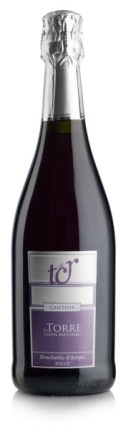 The vineyards draw the landscape for 300 hectares between the high hills of Nizza Monferrato and Acqui Terme. Here they are able to interpret at their best all those varieties typically grown in this area of Piedmont.
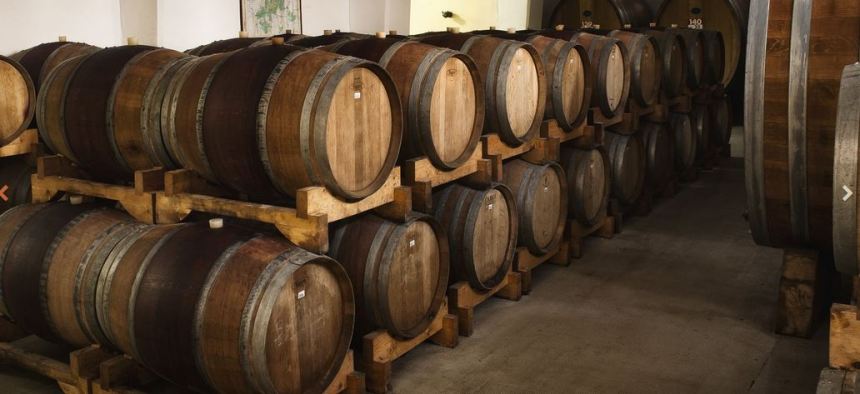 Cantine Volpi was founded in Tortona in 1914. Since then, through four generations it has been the protagonist of a continuous evolution that has led it to be a reference reality in the Piedmont wine industry, an authentic expression of the Tortona hills.
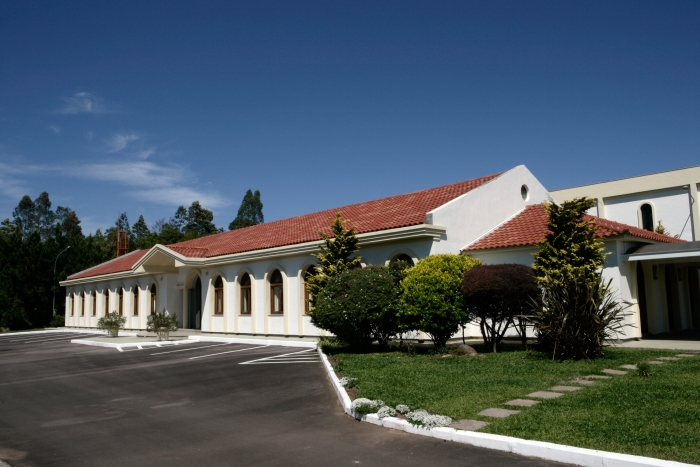 was founded in 2008 in the city of Garibaldi, Rio Grande do Sul, the so called “sparkling wine’s land”, as the newest enterprising of Valduga Group family . Certain of the growth of wines and sparkling wines sector in Brazil, the
  Domno project characterizes itself for two business fronts: the importing of high standard wines and the sparkling wines elaboration that is already recognized by the consumers for its quality and elegance.
 Casa Valduga wine esate is one of the pioneers in the utilization of champenoise method in Brazil, the winery is one of the responsible for the international recognition of Brazilian sparkling wines.
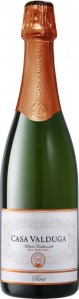 “Before making two bottles of wine, make one, but make it good.” said the patriarch and founder, Luiz Valduga
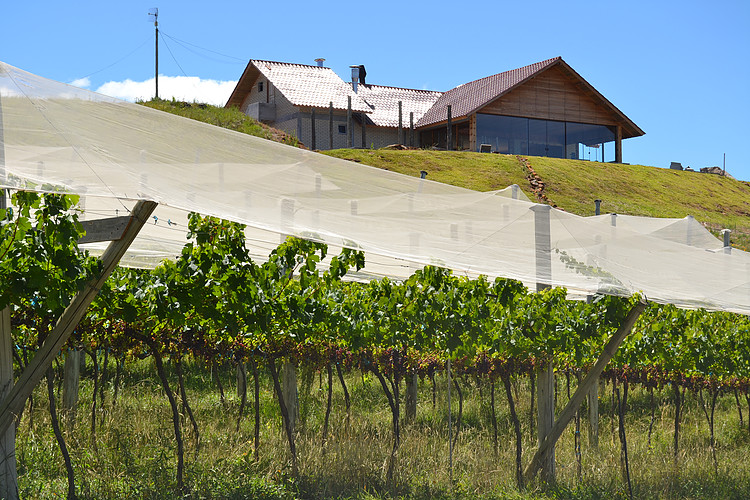 Monteagudo
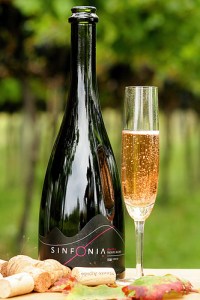 We tasted: Sinfonia Brut Rose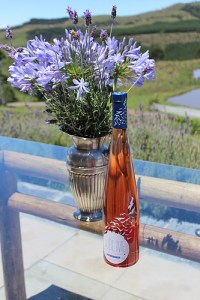
 We are in Monforte d’Alba (Cuneo-Piedmont), one of the most interesting and historic towns in the Langhe declared a UNESCO World Heritage Site. Amalia Cascina in Langa created in 2003, aim to produce high quality wine that respected the territory and tradition in an elegant and reserved location. The Boffa family, seduced by the serenity of the area, acquired an early 19th century farmhouse and its surrounding vineyards that produced the typical wines of the zone: Dolcetto and Barbera. Additional vineyards were then acquired in the prestigious cru of Barolo Bussia and Le Coste in Monforte. The production is focused on bringing out the best from every vineyard and in every harvest, thanks to scrupulous work done in the vineyard and in the winecellar.
 We tasted: Barolo Bussia 2013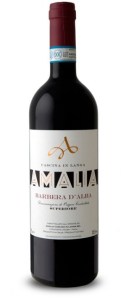
 Bolgheri is, above all, a state of mind, a way of life, the rarefied atmosphere of a world thought to no longer exist. As in a mosaic, the single pieces which compose it are of precious materials and colors, but observing them one by one there is no perception of the overall picture. Nature here remains in a pristine state; woods dominate the hillsides which, running parallel to the coast, protect it from winter’s worst cold. And, to the west, sparkles the blue of the sea, a sea which mitigates with its breezes the dog day heat of July and August. The vineyards, often wedged into the green of forest spaces or of ancient olive groves, dominates, together with the silent whistling of the wind, a landscape drawn discretely by the human hand.
 The Campo alle Comete estate is located at the foot of Castagneto Carducci, the only municipality that holds the prestigious DOC Bolgheri denomination. Here is also born the “Stupore”, a wine that brings the peculiarity of Tuscan coast to full expression.
 We tasted: Pinot Gris 2015 Eclat du Terroir
 Vineyards Magazine