Author Archives: brusselsdiplomatic

Siddura: the virtues of heritage
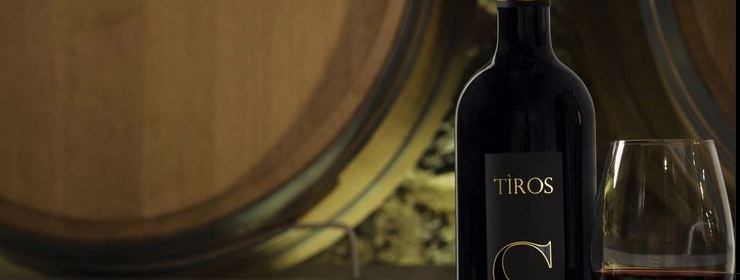
Situated near the medieval, picturesque little village of Luogosanto, Siddùra can be. described as the heart of the Gallura. Here the noble culture of wine is as old as the history of the people who have inhabited this land over the centuries. To renew this antique tradition gives a historical dimension to our lives and daily toils. It fulfills our dream of creating something unique and extraordinary of these ancient roots. We are grateful for being so lucky.

The soil of the Siddura vineyards consists of a mixture of granite, sand and clay. Being loose and dry they provide the ideal conditions for viticulture, where vines give best results when suffering “hunger and thirst”. Mild temperature swings, a ventilated climate and optimal sun radiation, due to the gentle slopes, help to preserve and enhance the organoleptic character of the fruit. Our aim is to produce wines which can be closely identified with their Terroir.

Particular climatic conditions combined with soils of exceptional quantity are fundamental components of great wine. Various kinds of cultivation, meticulous supervision of the vines as well as low yields provide for unique, well-balanced and elegant wines.

The wine cellar, situated at the center of the vineyard is a subterrenean structure with natural insulation resulting from its location. Here the entire production chain takes place, starting with the grapes and ending with the bottling. We favor spontaneous fermentations and use diversified types of containers, like cement tanks, oak barrels. We regard it as our mission to respect and enhance the quality of the product, donated to us by Nature and enriched by our intellectual and professional skills.

BÀCCO
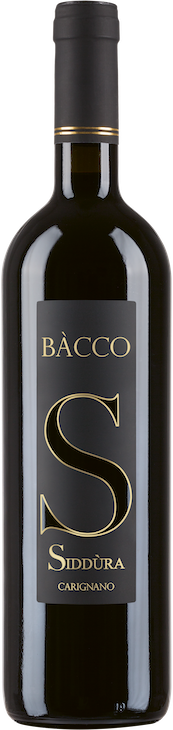
Their Carignano, comes from the most vocated area in the Region of Sardinia for this vine, introduced by the Phoenicians around the 9th century B.C. and then spread in Roman times in the south-west of the island. The wine’s taste-olfactory characteristics reflect those of the territory in which it originates, characterised by Mediterranean scrub, myrtle and strawberry bushes alternating with mastic tree and helichrysum. A dimension between heaven and earth that renders space indefinite and extends the gaze towards the horizon.

Intense ruby red, enveloping and complex, incipit of currants and berries in spirit, accompanied by sweet spices.
The palate is full-bodied, fruity and persistent, fading in an interplay between freshness and subtle tannic notes.

TÌROS
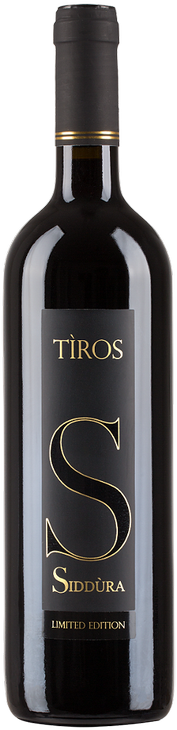
The region of Sardinia, with its unique scenery and enchanting landscapes, is not only a land for great red wines from indigenous grapes, but is now also recognised for the great value of its terroir, ideal for the cultivation of both national and international varieties, capable of producing wines of extraordinary structure and elegance, such as Tìros. Grapes that the winery processes with care to obtain a harmonious and persistent blend. An important wine for long ageing, which could not be missing to complete, with its prestige, the rich range of wines produced at Siddùra.

Intense red, fine and opulent, with a complex bouquet of spicy notes, red fruits and jammy blackberries
Full and velvety, of great elegance, with soft tannins that give pleasantness, intensity and body.

MAÌA
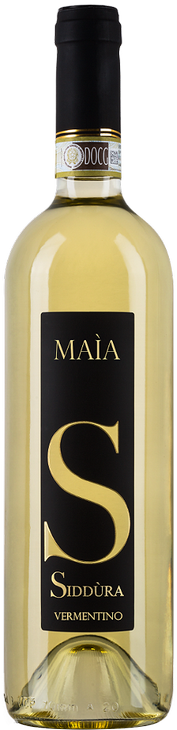
This is their first wine born on the estate from a careful selection of the best grapes. The particular type of soil resulting from granite disintegration, together with an optimal microclimate, have contributed to making Maìa, a Vermentino that, as its name evokes, ‘tastes of Gallura’.
Straw yellow in colour. yellow-fleshed fruit and white flowers. harmonious and delicate.
Fresh and savoury, with a good balance of flavour and a bitter almond finish typical of the variety.

Marcella Caimi

Pellegrini since 1904, quality wines and spirits

The family tradition related to wine began in the late 19th century, when Pietro Pellegrini (great-grandfather of the current owners) sold wine in his tavern at the foot of Cisano Castle. In 1904 the headquarters (still the company’s headquarters today) was built in Cisano with cellars for storing bulk wines, which was followed by the beginning of wholesale distribution in Lombardy.

The birth of the trademark “PPC – Pietro Pellegrini Cisano” dates back to that time, used to brand the estate barrels, and preserved over time as the company logo.
In the 1950s, his son Angelo (grandfather of the current generation) brought his experience to the town of Sava (Taranto), opening a branch and starting to take care of winemaking as well, with the help of his sons Gian Pietro and Emanuele.

In 1963 a farm in Montelupo Fiorentino, Florence, was purchased and a new winery built. Thus was born Fattoria di Petrognano, a winery producing wines with a strong Tuscan tradition. The wine and olive-growing business was developed and has been carried on ever since, with the same passion and dedication, by the Pellegrini family.

Inside them is a “cellar within a cellar” where the last bottles of labels that will no longer be offered for sale are placed, with the aim of building a “historical cellar” of the most important wines distributed.

WINE

Graci Etna rosso

Winery protagonist of Etna’s oenological renaissance in the name of quality and respect for identity. Located on the northern slope of the volcano, in Passopisciaro, an area of millennial winemaking tradition. The vineyards, with a density of between 6,000 and 10,000 vines per hectare, are located between 600 and 1,000 meters above sea level, part of which are planted free-range.

Only native grape varieties: Nerello Mascalese, Carricante and Catarratto. Great attention to sustainability. Cultivation of the vineyards under a certified organic regime. Very careful selections and search for full maturity by limiting yields in the vineyard to a minimum. Rigorous approach in the cellar in search of precision and finesse.

Vinification and aging take place in cement tanks, in vats and in large barrels produced with very long aging wood.
All work is aimed at indulging the personality of the vines while keeping intact the diversity and nuances between one vintage and the next, in the belief that only by indulging and respecting the natural expression of a great territory can we have wines capable of excitement.

Meme Chianti Superiore

The most widely produced wine of the Fattoria di Petrognano is Chianti in the ‘young’ type and represents 70% of the total production. Its vinification is traditional, in stainless steel, with maceration on the skins not too prolonged. After vinifying the grapes from each individual vineyard of Sangiovese and Canaiolo separately, the best containers are blended, with careful tasting. The result will form the blend of Meme Chianti docg (its name indicates the nickname given by the grandson Emanuele to his grandfather, also Emanuele).


The result is a wine for the whole meal, also excellent served chilled in summer. Exclusively in the best vintages and with part of the same lots selected, Meme Chianti Riserva docg will be aged in wood.

Elixir Pellegrini Private Stock

Barba-Turico was inspired by nineteenth-century remedies that, sold by acrobats in the squares, promised to cure everything from lovesickness to toothache. These remedies, in turn, adhered to the precepts of the Kabbalah, which provided in the number of 26 ingredients the perfect balance for the creation of an elixir of long life.

After more than a year of careful study of the laboriously recovered liquor manuals of the time, Davide Monorchio, head of the Liquors and Distillates division of Pellegrini S.p.A., analyzed hundreds of recipes and identified 26 botanicals from the Italian Alps, each known for its healing properties, to create an elixir with an “alpine” flavor.

A couple of examples? Achillea Millefoglie, in addition to being perfect for making liqueurs, was also used to treat states of anxiety and insomnia thanks to its pleasant aromatic notes. Peppermint, rich in balsamic aromas, is known in herbal treatises for its digestive virtues while Chamomile is still widely used today for its mild calming effects. Barba-Turico comes from the slow cold maceration of 26 elements including herbs, spices and roots, typical of the Italian mountains. An ancient elixir, pleasantly balsamic excellent to be enjoyed straight at the end of a meal but also served over ice.

Baffotonico is the result of the slow cold maceration of a selection of 26 berries, roots and flowers known in herbal disciplines for their stomatal and restorative virtues.
Ever faithful to the tradition of bitter elixirs, in the most literal sense of the term, Baffotonico offers itself to fans of the genre with a generous alcohol content, 33 percent vol. to maximize the aromas and flavors of all the botanical compartment used and with the addition of a very low residual sugar, the minimum necessary to create a perfect balance.

Fondo Antico, Sicilian passion

The story of Fondo Antico and the Polizzotti-Scuderi family is rooted in the pride for their origins, the passion for the tenacious and generous Sicilian land.


We are in Contrada Portelli in the territory of Trapani with the Egadi Islands majestically watching over the 80 hectares of vineyards from the sea. A hundred years’ experience in wine-growing and an obsequious respect for their origins are combined with research, innovation, team spirit and the curiosity to venture towards new horizons, to communicate their wines and make this strip of Sicily known to the world.

From 1960, half of the annual harvest was delivered to local cooperatives, while the remainder continued to be vinified on the estate. Since 1995, all production was brought back to the family winery, under the shrewd guidance of Giuseppe Polizzotti. Thus was born Fondo Antico, whose name is a tribute to the toponym by which the locals, in ancient times, used to call the land in Contrada Portelli, where it all began.

Fondo Antico’s wine production translates into the cultivation of the indigenous grape varieties of Western Sicily such as Grillo, Inzolia, Grecanico, Zibibibbo, Nero d’Avola up to Perricone. Chardonnay, Merlot, Cabernet and Syrah are the varieties that have been able to reinterpret, in an original and unrepeatable way, the richness and strength of the soils that characterise the Fondo Antico estate.

The soil

The Fondo Antico plots are planted on land of marine origin: the soil is in fact rich in calcareous deposits such as rock salt, gypsum, carbonates and sulphates, all of which contribute to making the winery’s wines more savoury and structured.


Two different altitudes and soil types characterise the Contrada Portelli vineyards: the vineyards at 350 m a.s.l. are planted on calcareous soil, which gives the wines more structure and elegance, without neglecting a good acidity base. While the other varieties are planted at 50 m a.s.l., on a medium-textured clay soil, which helps to make the wines more fresh and vigorous.

The harvest period runs from mid-August until mid-October, and the grapes are picked partly by machine and partly by hand. The company has also decided to adopt the mechanised method, in addition to the traditional one, because in a hot climate like Sicily’s, timeliness is very important. Separate vinification for each grape variety follows, thanks to the double receiving line.

The Wines

The wine production is composed of wines that reflect the personality of Fondo Antico. Thanks to the use of historical winemaking techniques in the Sicilian tradition, we obtain wines that are able to arouse emotions that only Sicily can transmit.


With this line goes in search of something more particular, more articulate, more exclusive, revealing monovarietal wines whose production technique is aimed at enhancing the varietal profile itself (colour, smell and taste).

Aitho Rosso

Etna Rosso DOC

A wine that reflects the great elegance and complexity of the volcano.
Colour: light ruby red.
Nose: red fruit aromas dominate (strawberry, black cherry) with hints of oriental spices and fresh balsamic hints that enrich the fine bouquet
Taste: harmonious and full, with silky tannins and an elegant finish.

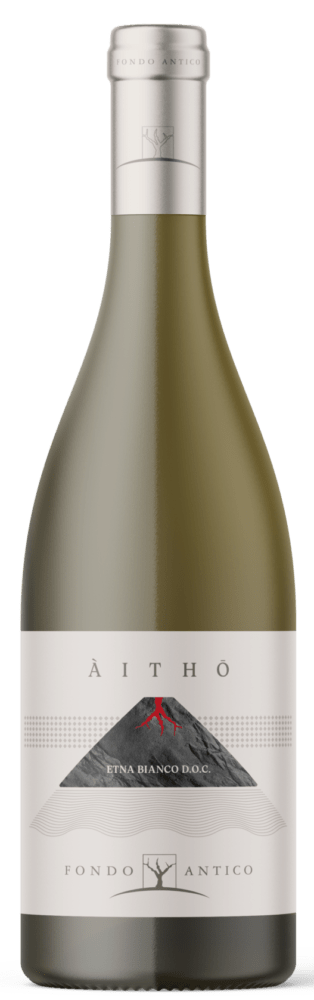
Aitho Bianco
Etna Bianco DOC


Wine kissed by the sun and sea breeze.
Colour: straw yellow with green hues.
Nose: elegant bouquet with mineral notes of gunpowder, fresh citrus hints.
Taste: dry, mineral and savoury on the palate with pleasant acidity and persistence.

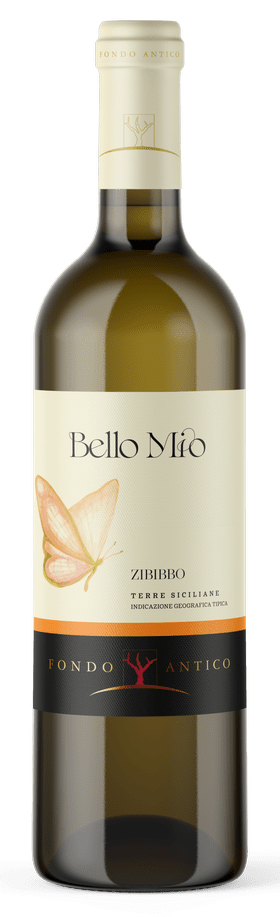
Bello mio
Zibibbo – IGT Terre Siciliane


A fragrant, captivating and delicate wine made from an indigenous aromatic variety, the Zibibibbo.
Colour: pale straw yellow with greenish reflections.
Nose: typical aromas belonging to the Terpenes family present themselves with notes of bergamot, citron, bitter orange, ending with floral notes of orange blossom, jasmine and dog rose.
Taste: The aromatic profile perceived on the nose is reconfirmed. The sip is full and savoury.

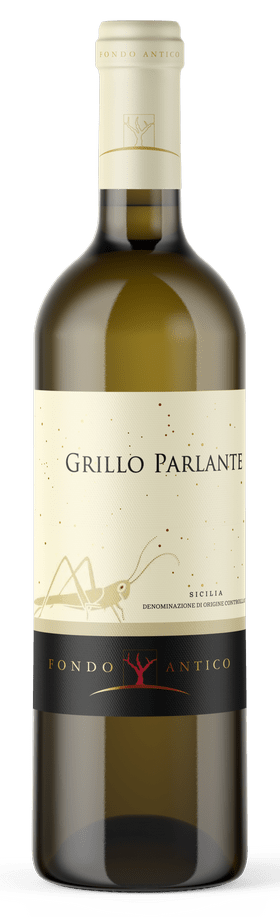
Grillo Parlante
Grillo – Sicily DOC


Brilliant straw yellow colour with greenish reflections. Its bouquet marries the exuberance of exotic fruit with the delicacy of white flowers.
Colour: brilliant, yellow with greenish reflections.
Nose: typical varietal aromas belonging to the thiol family reminiscent of exotic fruits, lychee, yellow peach, passion fruit together with more terpenic aromas reminiscent of white flowers or citrus notes.
Taste: full and fruity, balanced by the savouriness associated with the cultivation soils (carbonates and limestone of marine origin).

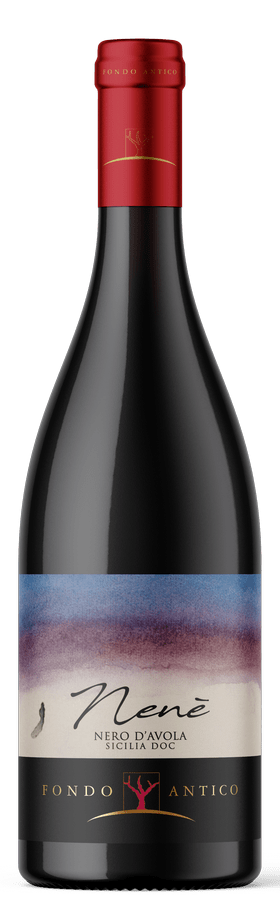
Nene’
Nero D’Avola – Sicily DOC


Nenè, to pay homage to the story “Il Mare Colore Del Vino” by Leonardo Sciascia.
A long-lived, fresh, fruity Nero d’Avola with distinct references to cherries and berries.
Colour: ruby red with violet reflections.

Nose: aromas of red fruits and cherries dominate. Dried fruits and spices enrich the fine bouquet.
Taste: harmonious and full flavours of cherry and undergrowth on the palate. The savouriness balances the roundness and makes the sip long and pleasant. It accompanies both meat and pitch dishes, especially when enriched with Mediterranean spices.

Per te
Perricone – IGT Terre Siciliane


‘Per te’ is a wine dedicated to Sicily and the Sicilian viticultural heritage, of which Perricone is an ancient expression. A vine abandoned for a long time but, with joy rediscovered.
Colour: ruby red.
Nose: the wine opens on notes of Mediterranean herbs and red fruits.
Taste: soft and enveloping on the palate, spices and Mediterranean scrub dominate the taste. Not
lacks the savouriness associated with the soils.

Badia di Morrona and its estate-defining wines

Sangiovese VIGNAALTA, Bordeaux blend N’ANTIA, and the young Syrah TANETO

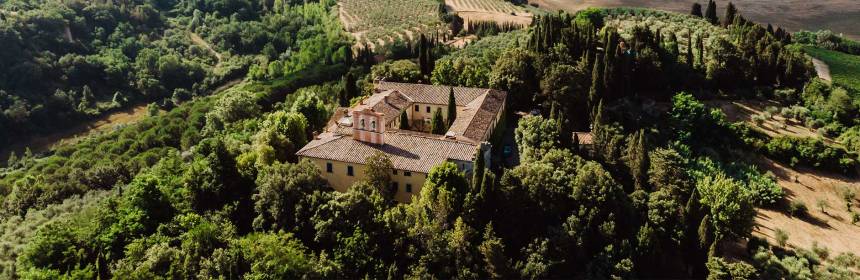
Between Pisa and Volterra, in the sensuously-contoured hills that stretch as far as Terricciola, lies Badia di Morrona, owned by the Conti Gaslini Alberti family since 1939. Theirs is the credit of intuiting that this particular growing area, with its beneficial climate and distinctive geological matrix, would offer an ideal terroir for both Sangiovese and international grape varieties.

“My father always believed,” explained Filippo Gaslini Alberti, who today directs the family estate, “that Sangiovese, Cabernet, Merlot, and Syrah as well, were all necessary and complementary grapes if the full winemaking potential of Badia di Morrona were to be realised. Over the years, study of the estate terroir has enabled us to better understand which areas to dedicate to the individual grape varieties, with the result that today we are proud to have crafted three wines that interpret, each with its own distinctive voice, the original timbre of this modest corner of Tuscany.”

VIGNAALTA and N’ANTIA are Badia di Morrona’s two historic crus, a monovarietal Sangiovese and classic Bordeaux blend, respectively. “Commitment to Tuscany’s royal grape but openness as well to international noble grapes north of the Alps” were essential components of Conte Duccio Gaslini Alberti’s vision and philosophy, as well as that of the winery today. TANETO, which debuted in the early 2000s, is the latest and most creative interpretation of Badia di Morrona. “Its leading grape, Syrah, succeeds in its expression of its terroir.”   

These three reds are today the most impressive ambassadors of a wine estate fully aware of its own history, sensitive to the challenges presented by the future, and, above all, enamoured of its growing area, a  terroir still little known yet of stunning beauty and impressive winemaking qualities.

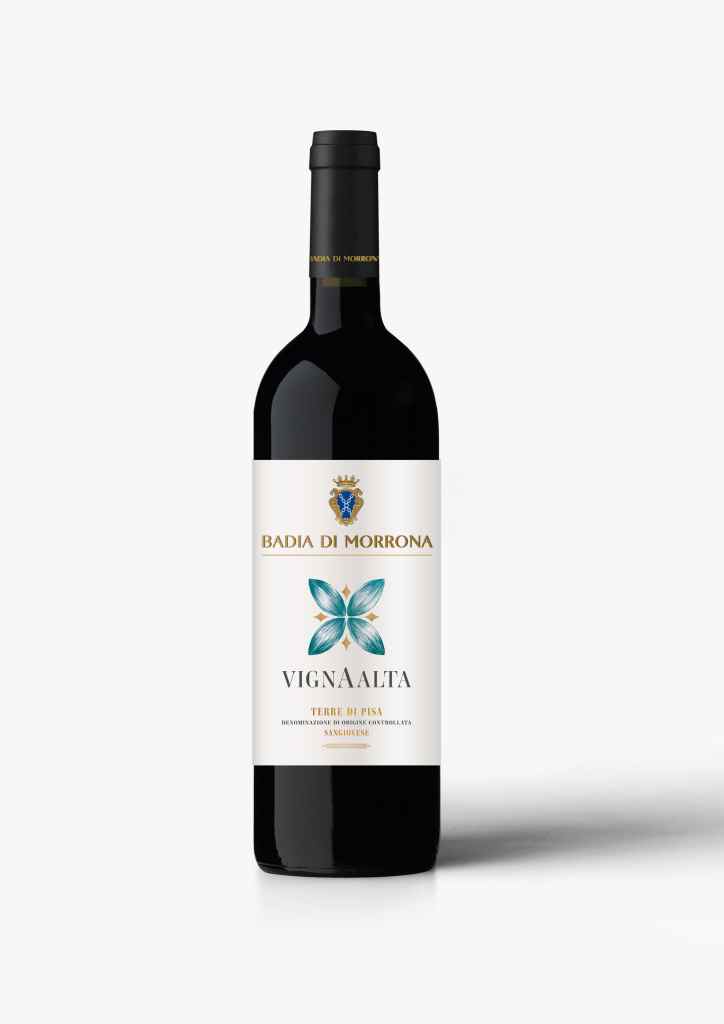
VIGNAALTA,Terre di Pisa DOC, is the estate’s most aristocratic Sangiovese and proud denomination leader. It is produced from only the finest-quality grapes from the vineyard of the same name, which, as its name implies, covers Badia di Morrona’s highest hill. The 8-hectare parcel, caressed by constant breezes, is rooted in sandy soils rich in fossil coral, testimony of an ancient seabed. From the first sip it reveals a Sangiovese that is vibrant and elegant.

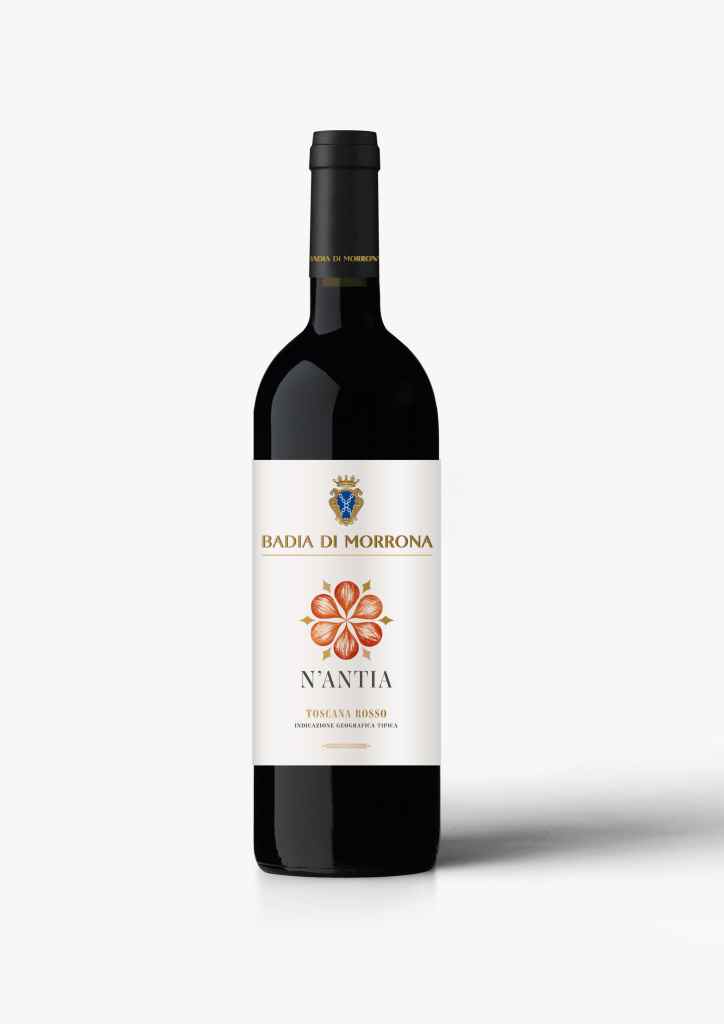
N’ANTIA Toscana Rosso IGT is a blend of Cabernet Sauvignon, Cabernet Franc, and Merlot from a single parcel of the estate’s oldest vineyards—over 35 years old. These striking “wooden sculptures” enjoy a clay soil with abundant travertine fragments and yield a wine of profound, forceful character.

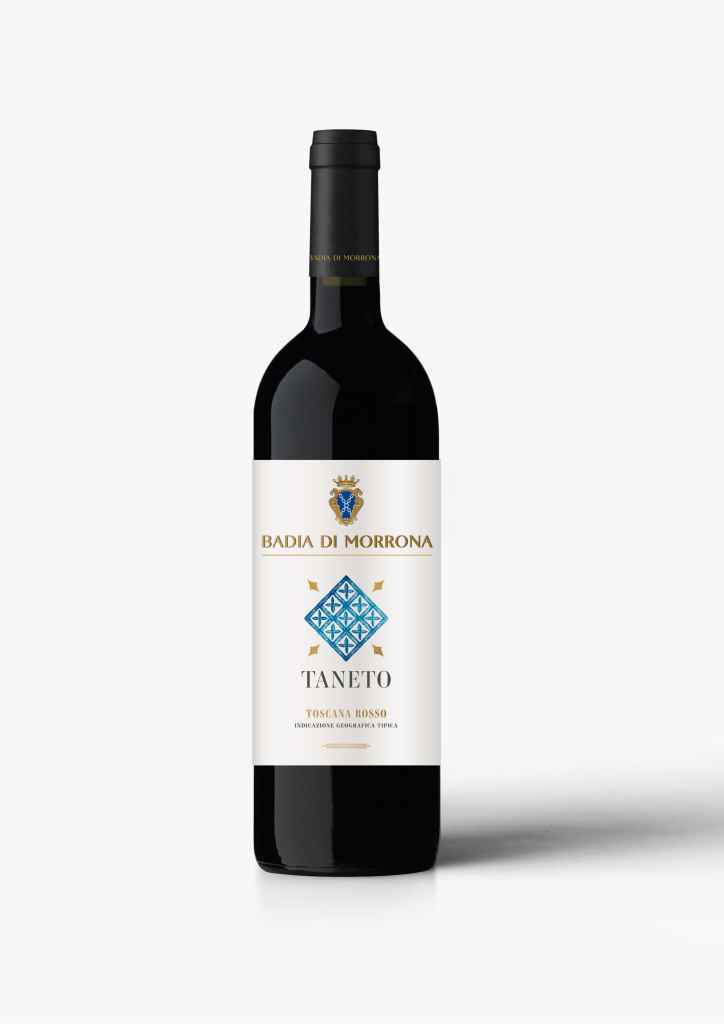
TANETO Toscana Rosso IGT is a Syrah-based blend from vineyards planted in soils particularly rich in fossil shells. They contribute to TANETO’s marked minerality, which in turn perfectly complements Syrah’s classic spiciness.

The grapes, harvested exclusively by hand, are quickly brought to the semi-underground, energy-self-sufficient cellar. Following fermentation in stainless steel, the three wines then take different paths. VIGNAALTA spends two years in large oak ovals, while N’ANTIA and TANETO rest in standard oak barrels for 15 and 12 months, respectively. Finally, all three refine their qualities in traditional concrete vats before bottling.

This late autumn, VIGNAALTA 2019 and N’ANTIA 2020 along with TANETO 2021 land in both the Italian and international markets.

*

Badia di Morrona is located in Terricciola, between Pisa and Volterra. The heart of the estate is the ancient monastery, Badia di Morrona, dating back to 1000 AD. The iconic grape is Sangiovese, planted in more than half of the 110 hectares of vineyards owned by the estate, with the remainder in Vermentino, Chardonnay, Viognier, Merlot, Syrah, and Cabernet. This viticultural wealth yields a well-integrated collection of wines, which boasts coveted crus such as VIGNAALTA and N’ANTIA, of Sangiovese and Bordeaux varieties respectively, and TANETO, the quintessence of Badia di Morrona’s Syrah. The Chianti denomination is well-represented of course, with I SODI DEL PARETAIO in both standard and Riserva versions, and the estate offers also other more everyday labels. The wine portfolio is compellingly complemented by a welcoming hospitality programme: distributed throughout the estate are large, meticulously-restructured farm residences that are perfect departure points for leisurely exploring this still little-known world in Tuscany.

Rosso di Montalcino 2020. Youthful, passionate, and profoundly Biondi-Santi.

Biondi-Santi’s Rosso di Montalcino is a proud, independent-minded wine. It is an impressive combination of Sangiovese’s classic depth and texture with crisp fruit and easy drinkability, as well as the deep knowledge, prestigious growing area, and complex emotions of Tenuta Greppo, renowned for its introduction of the very first Brunello, in 1888, and today a hallowed spot for all serious wine-lovers. 

In the words of Technical Director Federico Radi, “Our Rosso di Montalcino is first of all the embodiment of fine balance, with its components of structure, acidity, and … time, all in ideal equilibrium. Even though it is a “youthful” wine, its undeniable elegance is the fruit of patience and of listening to nature, and thus it perfectly mirrors the Biondi-Santi style.  Our Sangiovese, grown in estate vineyards at elevations ranging between 200 and 550 metres, is transformed here into intriguing crispness and well-balanced tannins. This is a Rosso that is a textbook representative of its vintage.”

A mild winter and cool spring ushered in the 2020 growing season at Il Greppo. Summer rains, particularly in June, built up groundwater reserves invaluable during the hot, dry conditions of July and August, enabling the vines to maintain balanced growth and making possible an excellent suite of aromatic precursors in the grapes.  Harvest for Rosso started on September 9, right after some beneficial late-August rains. It matured 12 months in large Slavonian oak casks. 

Rosso di Montalcino DOC is the “entry key” to the world of Biondi-Santi, yet it is accessible to the wide public of wine consumers and is thus able to seduce even the youngest wine-lovers, delighting their palates with the maturity and fascination so quintessential to Brunello. 

Rosso is made exclusively from estate grown grapes and in a number of bottles that is proving unequal to a constantly-growing demand over the last three years, according to CEO Giampiero Bertolini.  A firm believer in the importance of the denomination, he describes Rosso and Brunello as “playing on the same team, both superb examples of an exceptional growing area, and that is why Bondi-Santi has such faith in Rosso di Montalcino.”

Rosso di Montalcino 2020 Biondi-Santi has been available in the markets for only a few weeks, released at three years following the harvest, about one year more than most of the denomination’s wines. Its bouquet offers a rich cornucopia of wild red berry fruit, sweet violets, and red roses, backgrounded by hints of citrus and appealing nuances of pungent balsam and wild Mediterranean herbs. The finest wine shops will be pleased to provide a couple of bottles, one to enjoy immediately, and the other to forget a few years in your wine cellar.

Masseto. The 2020 vintage, an embodiment of its time, makes a debut.

While the harvest has just came to a close in the Masseto vineyard, Masseto 2020 emerges from the estate’s cellars carved into the blue clay depths beneath the vines. Now in its 34th vintage, the iconic wine remains a coveted collector’s piece among wine lovers worldwide.

A product of the homonymous vineyard that first loaned its name to the wine and then to the estate, Masseto has since become synonymous of Italian excellence internationally. The vineyard stretches across one of the hills in Bolgheri, opposite the Tyrrhenian Sea. The few hectares are split into micro-parcels that are harvested and vinified separately.

The magic of this wine lies in the distinctive soil composition that vaunts a vein of Pliocenic blue clay once concealed in the sea, which artfully governs the hydration of the vines, absorbing excess water and keeping the roots fresh and moist, even during extended dry spells. Aligned with the Mediterranean sun and constant sea breezes, these traits form the perfect conditions for a perfect ripening of the grapes.

2020 was no exception. Typified by a mild winter, a spring with normal precipitation, and a hot, dry summer, harvest at Masseto took place in mid-September after propitious rainfall with changes in temperature from day to night. “We always picked the grapes early in the morning to preserve their freshness as much as possible and the harvest ended on 16 September,” explains Gaia Cinnirella, Winemaker and Cellar Master of Masseto. The end result once more encapsulates the essential elegance of this unique place in a glass.

Having been harvested and selected with expert care and attention, the grapes were taken to the cellar, which – as well as being an architectural gem instilled with soul-stirring geometry – was designed with the best possible conditions to turn these generous natural fruits into bottles of rare prestige.

Masseto 2020 has cultivated all the characteristics of the vintage, beginning with elegant concentration. The wine is powerful on the palate with exquisite length and balsamic notes. The integrity of the tannins reveals the hallmark ageing potential of Masseto. 

Marco Balsimelli is the new Production Director of Ornellaia and Masseto

Giovanni Geddes da Filicaja, CEO and the Ornellaia and Masseto team welcome Marco Balsimelli who, as of January 2024, will take on the position of Production Director for the two estates in Bolgheri owned by the Frescobaldi family.

Born in 1983, he studied oenology and viticulture at the University of Florence before leaving for Bordeaux, where he graduated from the prestigious Faculté d’Oenologie. He gained considerable experience in different châteaux among which Château Gruaud Larose. Since 2010, he has worked as an oenologist consultant collaborating with Eric Boissenot whose clients include many Grands Cru Classés in Bordeaux but also well-known wineries outside of France.

“We are delighted to welcome Marco Balsimelli to Ornellaia and to Masseto as part of a team of expertise and experience,” says Giovanni Geddes da Filicaja. “Every vintage of Ornellaia and Masseto is a product of meticulous day-to-day work to which dozens of people are dedicated in defining the final excellence.”

“Ornellaia and Masseto represent Italian pride worldwide and we like the idea that an internationally minded Italian will assist us in writing the next chapters,” adds Lamberto Frescobaldi, President of Frescobaldi.

“I would like to thank Giovanni Geddes and Lamberto Frescobaldi for their esteem and trust. It is an incredible honour for me to be called to be part of the team of such prestigious wineries. It is an exciting challenge,” says Marco Balsimelli. “By taking care of the smallest details and working with top professionals, both in the vineyard and in the cellar, we will emphasize the essence of this place and continue to make an important contribution to the Ornellaia and Masseto stories”.

Ornellaia has successfully closed the 15th charity auction dedicated to the Vendemmia d’Artista 2020 La Proporzione project

Profits from the lots go to the Mind’s Eye project by the Solomon R. Guggenheim Foundation

The annual charity auction organised by Sotheby’s ended on 21 September with the sale of 12 exclusive lots during the 15th edition of Vendemmia d’Artista.

Double Magnums, Imperials and a sole 9-litre Salmanazar went under the hammer at the auction, accentuated by the artistic labels designed by Joseph Kosuth, who was invited to interpret the vintage’s character, “La Proporzione” (Proportion). All the bottles help to support, as has been the case since 2019, the “Mind’s Eye” project by the Solomon R. Guggenheim Foundation, aimed at enabling accessibility to art for the blind and people with low vision. This year, Ornellaia has donated 300,000 dollars in favour of the program.

Giovanni Geddes da Filicaja, CEO of Ornellaia, comments: “We are proud to meet with such success among wine and art enthusiasts. Vendemmia d’Artista has become an essential event for collectors, conveying quality, beauty and solidarity.”

This is the fifth year that Ornellaia has donated the profits from the Vendemmia d’Artista project to the “Mind’s Eye” program while the Bolgheri-based winery has collected and donated more than 2.5 million euro to a range of international museums since the start of the project.

Charity auction for rare bottles of Vendemmia d’Artista Ornellaia 2020 “La Proporzione”

The online auction organised by Sotheby’s will be held from 7 to 21 September 2023. The proceeds will support the Solomon R. Guggenheim Foundationin New York, Venice and Bilbao

Organised by Sotheby’s, the annual charity auction of bottles from the 15th edition of Vendemmia d’Artista will return online from 7 to 21 September.

Double magnums, imperials and the only 9-litre salmanazar will be among the 12 lots. All the bottles are embellished with labels designed by the American artist Joseph Kosuth, who was invited to interpret this edition’s character, namely “La Proporzione” (Proportion).

The auction will provide collectors with the opportunity to secure lots of high artistic and wine significance, while doing a generous gesture. As in previous years since 2019, all profits will go to the Solomon R. Guggenheim Foundation’s “Mind’s Eye” program, which welcomes and enhances access to the arts for visitors who are blind or have low vision. “We are proud to support this initiative,” comments Giovanni Geddes da Filicaja, CEO of Ornellaia. “Like in art, appreciation of fine wines requires total involvement of the senses. Furthermore, for us, partnering with the Guggenheim Foundation is a way of giving back to the community some of the extraordinary goodwill that nature has bestowed upon us.” These unique bottles are precious for three reasons: their contents, their works of art on the labels and, last but not least, their goal of increasing access to the arts for all visitors.

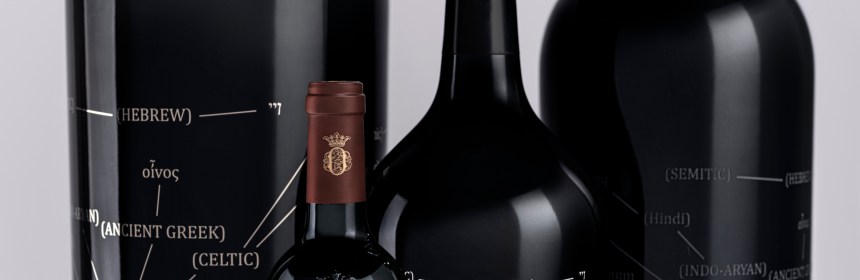
In 2020, nature and humanity combined to craft a perfect ‘proportion’ of elegance, power and complexity. In order to interpret this correspondence, the leading American conceptual artist and theorist Joseph Kosuth created a set of works based on the word “wine” and a quote from Vitruvius’s De Architectura (3.1.3). The 750ml bottle features the English version of the phrase engraved on the paper. For the 100 double magnums, the etymology of the word “wine” is embossed on the bottle, while each of the unique 10 imperials sees the etymology engraved onto the glass. One branch is accentuated in white and the quote from Vitruvius is translated in the highlighted language or one of its modern descendants: Albanian, Serbo-Croatian, Latin, Italian, Hindi, Hebrew, Modern Greek, Irish, German and Armenian. For the salmanazar, the etymology and quote from Vitruvius below are in English and the highlighting applied to the bottle is in platinum.

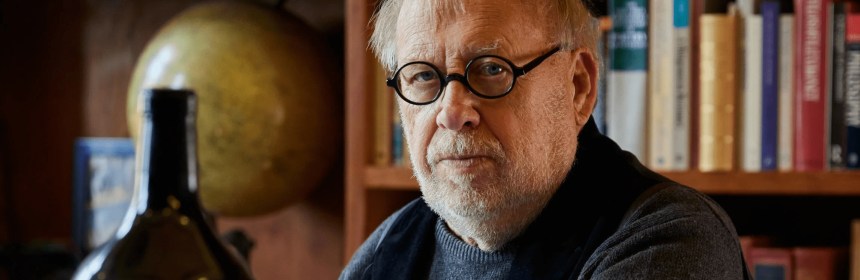
Joseph Kosuth: “I believe that language is an important part of experiencing everything and that these experiences shape us in a certain way linguistically. The architecture of experience through language was obviously always at work and I believe that Vitruvius was a major resource in understanding a concept like proportion. Proportion is not only visible equilibrium among the elements, but also equilibrium of all the elements that make it a perfect entity of what it represents for the world, thus also shaping it as conception.”

Tasca d’Almerita presents the new season of Capofaro Locanda & Malvasia on the island of Salina

A series of unique activities including celestial explorations, vineyard walks and culinary experiences overlooking the sea to give guests an immersion in the most authentic and exclusive Sicily.

The light of the lighthouse, just rekindled, is ready to illuminate Care’s: the Ethical Chefs Days, the sustainable food project scheduled in Salina from 25 to 27 May.
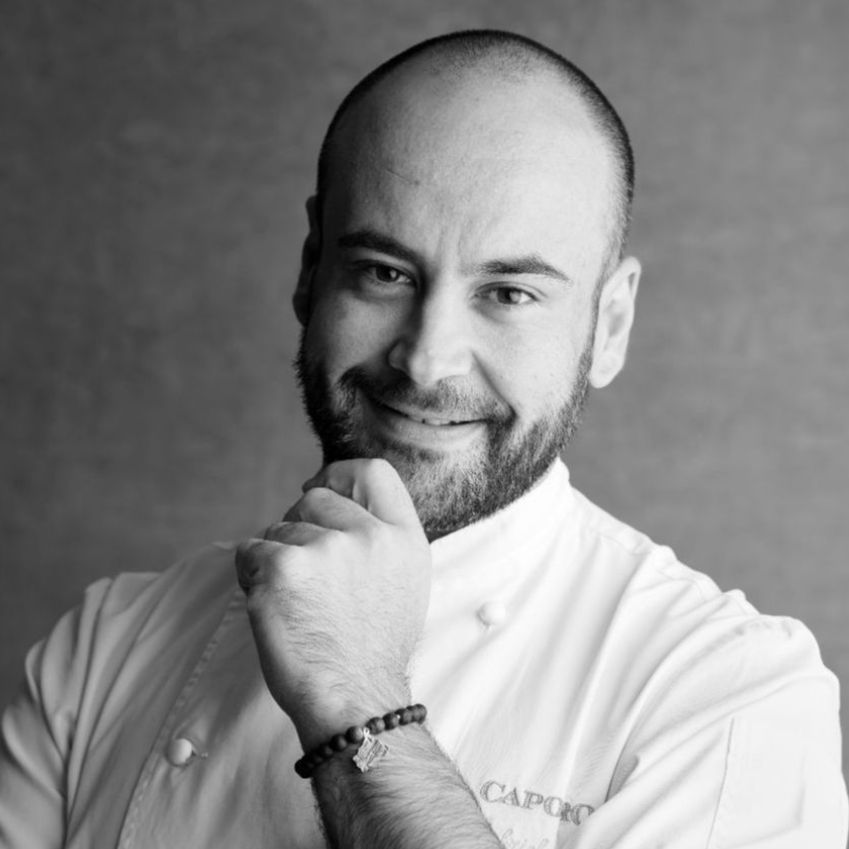
Gabriele Camiolo, chef of Capofaro Locanda & Malvasia, will be among the protagonists of the event to promote an approach to cooking that is attentive to the territory, people and resources.

Tasca d’Almerita, the historic Sicilian winery known internationally for the quality of its wines and for its responsible footprint on the environment and territory, announces the re-opening of the season of Capofaro Locanda & Malvasia, located on the Island of Salina, the greenest and most authentic of the Aeolian Islands.

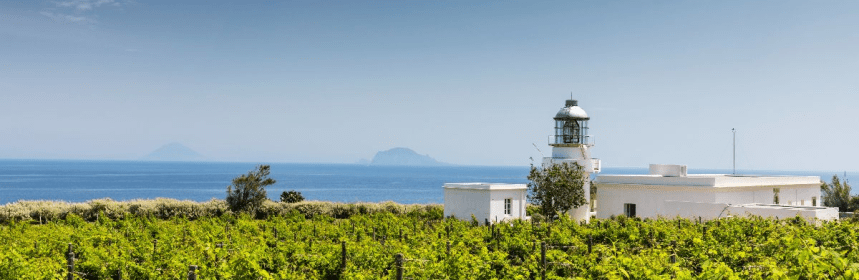
Capofaro Locanda & Malvasia is a project of high Mediterranean hospitality born from the union of nature, volcano, land and sea, realised within the Tenuta Capofaro, one of the five wine estates of the Tasca d’Almerita family. This is home to ‘Anfiteatro’, a historic vineyard of Malvasia, a golden grape, the noblest fruit of the Aeolian Islands, which, dried in the shade, yields the famous local wine, dry or sweet.

Surrounded by 4.5 hectares of vineyard and characterised by a typical Aeolian architecture with white plaster and minimalist style, the Locanda represents the highest expression of hospitality in the archipelago, with a total of 27 rooms, each one different from the other, but all with private terraces from which to catch a glimpse of the outlines of Stromboli and Panarea. Since 2017, moreover, thanks to a major renovation and enhancement project strongly desired by the Tasca d’Almerita family, six new exclusive rooms have been built inside the Capofaro lighthouse, a piece of Salina’s history that has watched over the spectacular sea and promontory since the mid-19th century.

Capofaro passionately recounts the aromas and flavours concentrated by the sun, sea and volcanic soil of Salina through his restaurant, with respect for tradition and a calibrated contemporary sensibility. Immersion in a wine-related ecosystem is the basis of menus where dishes dialogue with Tasca d’Almerita labels and estates.
The Sicilian chef Gabriele Camiolo, together with his brigade, is ready to inaugurate the summer season by offering diners an authentic culinary experience composed of seasonal dishes with local products that respect the environment and have a very short supply chain. Seventy per cent of the ingredients used in the kitchen come from the estates’ vegetable gardens, such as the wheat used to make pasta and especially bread, a genuine product par excellence, awarded by the 2018 Gambero Rosso Restaurant Guide as Italy’s ‘best bread on the table’.

Chef Camiolo’s cuisine is based on listening to the territory to bring to the forefront the part that remains outside the kitchen space; it is a story that begins much earlier, in the months of research on the territory, in the dialogue with producers, in the exchange of knowledge, in the interaction with different landscapes. Gabriele Camiolo’s cuisine goes beyond cooking, it is understood as a set of practices and knowledge of which other people are part.
His idea of sustainability in the kitchen is clear: to understand the raw material in all its potential, to express it in a way that leaves no trace, i.e. waste.
His workhorses, such as the barbecue carrot with wild herbs and spiced almond cream, or the dentex alla mugnaia and Malvasia leaf, or the Aeolian tiramisu, are the fruit of studies and research that have made the Capofaro Locanda & Malvasia an indisputable destination for lovers of haute cuisine.

THE WINE EXPERIENCE

The Anfiteatro vineyard, a verdant and scenic basin in the heart of the Estate, provides a natural backdrop to one of the most exciting Wine Bars in the Mediterranean.
The tasting of more than 50 labels by the glass of great wines from Sicily and the rest of the world is one of the moments of wine learning and conviviality, to be experienced while immersed in the vineyard ecosystem.
To make the wine experience at Capofaro even more complete and unforgettable, tasting routes have been devised, including between the rows of vines accompanied by the sommelier, and knowledge of the different expressions of Malvasia and Tasca d’Almerita production, with matching appetisers prepared by chef Gabriele Camiolo and his brigade.

« Older Entries Recent Entries »