ITALY 2026 HARVEST
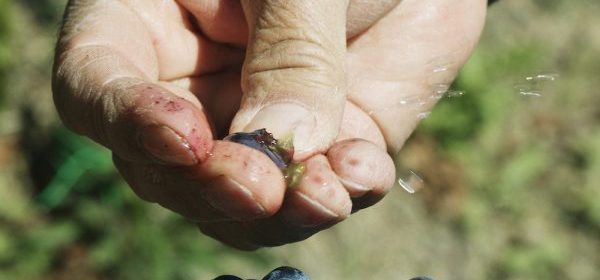
Vines and winegrowers rise to the climate challenge together: resilience, careful observation and precision underpin quality in a hot season marked by an early harvest.
Italy’s 2026 harvest tells the story of a hot growing season that brought picking forward in many areas. Despite the challenges, producers report healthy grapes and encouraging early signs of balance, freshness and precision in the first wines.
Winter and spring rainfall replenished soil water reserves in several areas, helping sustain the vines throughout the summer. In many vineyards, the vines showed encouraging resilience in the warm weather, supported by attentive vineyard management and carefully judged harvest timing.
Some estates reported one of their earliest harvests on record. Local conditions — such as altitude, differences between day and night temperatures, cooling breezes and timely rainfall — helped shape the outcome. Winegrowers’ ability to understand their vineyards and respond promptly was equally important.
From north to south, these accounts suggest a vintage shaped by both local growing conditions and the decisions made in response to them: observing the vines, tracking ripening closely, acting promptly when necessary and allowing more time where conditions permitted. The shared goal was to preserve acidity, elegance and each wine’s distinctive character.
Here are the perspectives of 20 wineries from across Italy, offering their first assessments of the vintage as grapes arrived in the cellar. gathered in light of the first grapes to reach the cellar.
TRENTINO-ALTO ADIGE
Cantina Terlano and Cantina Andriano
The harvest began slightly earlier than usual in Terlano and Andriano, with picking starting on 18 August. Early indications of quality are very positive. “The wines,” explains oenologist Rudi Kofler, “display a well-balanced aromatic profile, with ripe fruit complemented by fresh notes.” Overall yields remain in line with the average. At higher altitudes, ripening progressed more slowly, and the harvest concluded in early October.
Cantina Kaltern
In Kaltern (Caldaro) too, high temperatures accelerated the growing cycle, bringing the harvest forward. The area’s range of altitudes proved to be a decisive asset: the higher-altitude sites delivered particularly impressive results for the white wines, which show a good balance of ripeness, acidity and aromatic precision. The red grapes reached full phenolic maturity, yielding wines with intensity, structure and concentration.
“Choosing the right time to harvest was crucial in maintaining the balance between concentration, elegance and freshness,” explains Thomas Scarizuola, cellar master (Kellermeister). “Conditions during the harvest were virtually ideal, and yields are satisfactory and well balanced.”
Pacher.Huber
“The harvest was brought forward by a few days following the hailstorm on 31 August that narrowly missed our vineyards. Throughout September, most of the vineyards enjoyed ideal weather conditions, with night-time temperatures of around 8°C and daytime temperatures ranging from 24 to 26°C. The bunches brought into the cellar, starting with those from our highest-altitude plots at 800–970 metres above sea level, were beautiful and ripe,” says Andreas Huber, who, together with his sister Katharina Huber, is the driving force behind the wines of the historic family farmstead (maso). “The final days of the harvest are always dedicated to Riesling, which has just been picked,” concludes the producer.
San Leonardo
At San Leonardo, the experience of 2026 shows that a vintage cannot be read solely through the lens of early ripening. After picking the first Merlot grapes on 27 August, the estate chose to pause and wait: the main harvest began around 7 September, while Carmenère and Cabernet Sauvignon followed at an even more leisurely pace.
“Despite a very hot summer, the estate’s location and the shade provided by the mountains protected the vines. The grapes were particularly healthy, beautiful and abundant, while alcohol levels remain surprisingly moderate, often at around 12.5% vol.,” explains producer Anselmo Guerrieri Gonzaga.
LOMBARDY
Mosnel
In Franciacorta, the intense heat significantly accelerated ripening: the harvest, which began on 3 August and ended on 17 August, was the earliest in Mosnel’s history.
“It was a demanding vintage, requiring great care both in the vineyard and in the cellar, where even cooling the musts proved challenging,” says Giulio Barzanò. “The initial results are encouraging, however: the scents and aromas of the wines give us reason to be optimistic, while we await the first tastings and assessments, which will allow us to define the character of the vintage more precisely.”
LIGURIA
LVNAE
In Liguria too, despite a summer marked by above-average temperatures, the vines showed no significant signs of stress. LVNAE reports healthy, undamaged grapes, harvested plot by plot according to their varying levels of ripeness. Initial impressions from the winery point above all to a good balance between alcohol and acidity.
“In the first Vermentino wines, the aromas are refined and elegant, offering promising indications of the character of the vintage,” confirms Diego Bosoni.
PIEDMONT
Pio Cesare
The 2026 harvest was probably the earliest ever for this historic winery in Alba. “Last winter’s rainfall proved invaluable, replenishing the soil’s water reserves and enabling the vines to withstand the long, harsh summer,” explains Federica Boffa Pio. The growing cycle began early and was unusually short. Chardonnay and Sauvignon Blanc were the first grapes to be harvested, on 12 August, followed over the following weeks by Dolcetto, Barbera and Timorasso.
“As for the Nebbiolo destined for Barolo production, the harvest was just completed in early October.” Meanwhile, the white wines have completed fermentation, and first impressions are highly encouraging: they are well structured, yet “with a very pleasing freshness”.
Parusso
“The grape harvest is progressing well,” says Marco Parusso. “Despite the high temperatures, the work carried out in the vineyard over recent years has enabled us to support the ripening process without bringing the harvest forward excessively. In fact, we are almost in line with last year’s schedule.”
The differences between day and night temperatures in recent weeks, ranging from 12°C at night to 28°C during the day, are also helping the grapes through the final stages of ripening. With the harvest of the white grapes, Barbera and the Nebbiolo destined for Langhe Nebbiolo now complete, picking of the grapes destined for Barolo began in early October. “At the moment, the grapes look beautiful, while the foliage is naturally beginning to lose its deepest green colour: signs of well-advanced phenolic ripeness, with the tannins becoming sweeter and softer and the acidity gradually coming into balance. The current conditions therefore make us very confident about the quality of the vintage.”
TUSCANY
Biondi-Santi
In Montalcino, the grape harvest is guided by sensitivity and careful attention to the vineyard. Oenologist Federico Radi explains: “In a very sunny and hot vintage, within a constantly evolving climatic context , the aim is to preserve the estate’s style by seeking the greatest possible balance in the grapes. There is therefore no fixed formula, but rather constant observation of the vines, guiding everything from canopy management to the choice of harvest date for each plot and picking during the coolest hours of the day.”
It is a dynamic relationship between people and nature, in which technical skill and experience are used to listen to and interpret the vineyard, preserving acidity and freshness without compromising full ripeness. “The first vinifications are yielding a Sangiovese that is poised, fine and polished, offering great pleasure and elegance,” continues the oenologist.
Even amid the challenges posed by climate change, Biondi-Santi continues to evolve while remaining true to the identity and style that set it apart.
Giodo
At Giodo, the estate owned by Carlo Ferrini and his daughter Bianca, the harvest took place, as usual, in the first few weeks of September. After the heat, rainfall in late July and mid-August helped restore balance in the vineyard, creating favourable conditions for the final stages of ripening.
“Our Sangiovese grapes arrived at the winery healthy and of excellent quality, with yields only slightly below average,” says technical director Riccardo Ferrari. The first wines drawn off their skins reveal intense red-fruit aromas and good structure, but above all the elegance that is a hallmark of Giodo’s wines. “We are very pleased with the result!”
Isole e Olena
At Isole e Olena, in Chianti Classico, the 2026 vintage proved particularly challenging. A very hot and dry season called for great adaptability and the ability to act at precisely the right moment, even when conditions required a departure from the usual approach.
The harvest began on 10 August with the Chardonnay, under clear skies, and concluded on 22 September, just as a sudden hailstorm arrived.
“It was a challenge, but we brought some beautiful grapes into the cellar,” says Emanuele Reolon, the estate director. “The grapes were healthy and, above all, showed a surprisingly good overall level of ripeness. In terms of quantity, the lower berry weight resulted in a more modest yield, while initial tasting impressions are very positive.”
Bertinga
Bertinga, in Chianti Classico, benefited from the altitude of its vineyards and the capacity of its soils to sustain the vines through the intense heat. The grapes were in excellent condition at harvest.
“The drop in night-time temperatures during the final weeks, together with the good day-night temperature swings, favoured phenolic ripening, allowing us to achieve a convincing balance between ripeness and alcohol levels,” says oenologist Elisa Ascani. The grapes already in the cellar show considerable promise. The harvest concluded on 29 September.
Arillo in Terrabianca
For Arillo in Terrabianca, 2026 was characterised by a cold, rainy winter, followed by temperatures well above average from mid-June onwards. The distinct soils and climates in Radda in Chianti, Massa Marittima and Pienza (the three areas where Arillo’s vineyards are located) shaped the vines’ response to this change in weather.
Overall, faster grape ripening advanced the harvest by around ten days, while rainfall between late August and early September helped to restore balance to the ripening process. Winemaker Vieri Vannoni explains: “In the Maremma, yields were slightly lower, but quality is high; in the Val d’Orcia and Radda in Chianti, on the other hand, yields were good and ripening was more uniform.” The harvest has just been completed.
Querciabella
Two very different weather phases shaped the harvest at Querciabella. In Chianti Classico, the first grapes were picked relatively early, but the arrival of September rains, together with a marked drop in night-time temperatures, subsequently slowed the pace of picking.
With nearly 100 mm of rainfall over the course of the month, winemaker Manfred Ing was able to extend the harvest and allow the remaining grapes more time to ripen. “As of 25 September, around 40% of the grapes were still on the vine. The plots between 300 and 400 metres above sea level had mostly been harvested, while at altitudes of 450 metres and above, the grapes were benefiting from a longer ripening period. We could afford to be patient thanks to the favourable weather conditions, allowing the fruit to develop greater depth and concentration while retaining freshness.”
Castello di Querceto
The 2026 grape harvest began around ten days earlier than in recent years, following the hot weather in July and August. “We began on 7 September, with very promising results in terms of quality: the grapes were healthy and fully ripe,” explains producer Simone François.
Yields were expected to be modest, as the berries had remained small due to the lack of rainfall over the preceding two months. “Sangiovese has been in the cellar for several days now, and we have just finished harvesting the later-ripening varieties, mainly Cabernet Sauvignon, in early October.”
Fattoria Le Pupille
Ninety-three hectares of vineyards, harvested by hand over 44 days, tell the story of a demanding vintage, shaped by daily decisions, hard work in the vineyard and constant adjustments to bring out the best in each variety and each plot.
“The grapes were healthy at harvest, but the sun and, above all, the high night-time temperatures in August placed the vines under considerable strain.” The white grapes were of very good quality, while Sangiovese and Syrah gave excellent results. Cabernet Sauvignon and some Merlot, on the other hand, were more severely affected by the heat. Technical Director Ettore Arturo Rizzi’s assessment remains very positive: “In such a demanding vintage, the ability to observe and intervene at the right moment can lead to highly expressive wines.”
Castello di Vicarello
At Castello di Vicarello, the key to the harvest was the ability to monitor ripening closely and act at the right moment.
“The water reserves accumulated over winter and spring, combined with soil management designed to retain water at depth, enabled the vines to withstand the summer while maintaining an active canopy. The grapes were shaded by the leaves to preserve their aromas and acidity,” explains producer Brando Baccheschi Berti. With the grapes ripening very rapidly, the harvest was brought forward by around ten days to avoid overripe notes and preserve the freshness and integrity of the fruit.
“The grapes had firm skins, and the first wines are showing good acidity, with pH values gradually approaching the expected levels, alongside fruity and spicy profiles with no perceptible alcoholic heat,” adds winemaker Maurizio Saettini. “Yields are lower than expected, but we consider the quality to be very high.”
Arsenio
“Every harvest needs to be understood and managed in its own way. The 2026 vintage was hot and dry, and the grapes across all our vineyards ripened almost simultaneously. We began the harvest almost a month earlier than in 2025, working in step with the vines’ natural rhythms. Much of the work had already been done before harvest, through crop thinning and canopy management during the heatwaves. We adapted to nature and brought some remarkable grapes into the cellar,” explains Arsen Khachaturyants, a young producer whose vineyards are located on the slopes of Fiesole and in Volterra.
APULIA
Tenuta Liliana
In Salento, the growing season was marked by a hot, dry summer, tempered by sea breezes. The grapes were in excellent condition at harvest, with moderate yields and good concentration. Harvesting began slightly earlier than usual, with Sauvignon Blanc in the first ten days of August, followed by Cabernet Sauvignon for rosé and then the grapes destined for red wine.
“Initial indications point to full ripeness and depth, without any loss of freshness or tension, with well-preserved natural acidity and favourable prospects for balanced, long-lived wines,” confirms oenologist Andrea Fattizzo.

