Tag Archives: europe

CONSORZIO DOC SICILIA: STRONG GROWTH IN ASIAN MARKETS IN 2025, A RECOVERING HARVEST AND NEW STRATEGIES FOR 2026
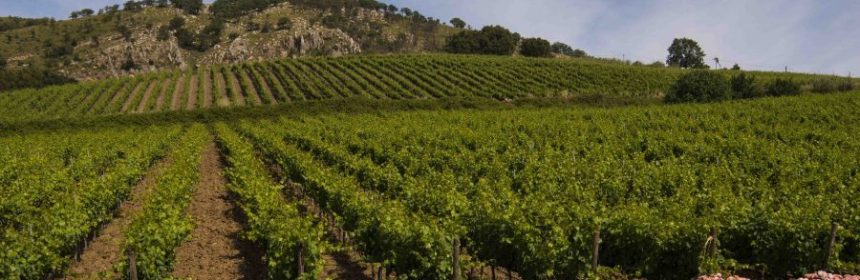
The year 2025 closes on a highly positive note for the Consorzio di Tutela Vini DOC Sicilia, reaffirming the denomination’s role as a key player on both the Italian and international wine scenes. The past year was marked by an intense commitment to the promotion and enhancement of native grape varieties, alongside an ever-stronger focus on biodiversity and the rediscovery of Sicily’s historic cultivars an invaluable heritage that reflects the island’s deep-rooted identity.

“After two challenging vintages, the 2025 harvest marked a return to more balanced production levels, with around 3 million hectolitres produced across 97,000 hectares of vineyards. This result once again confirms Sicily as one of Italy’s leading wine regions and highlights its ability to successfully combine biodiversity and sustainability,” said Camillo Pugliesi, Director of the Consortium. “International markets showed mixed dynamics in 2025: the United States remained broadly stable despite a more complex trade environment, while Asian markets recorded growing interest in Sicilian wines. Against this backdrop, the Consorzio DOC Sicilia strengthened its presence through targeted promotion and communication initiatives.”

In 2025, market demand increasingly favoured white wines, with Grillo and Lucido (Catarratto) taking centre stage. This trend underscores the denomination’s ability to interpret and anticipate global consumption patterns. With approximately 29,000 hectares under vine, Lucido is the most widely planted white grape variety in Sicily. Its remarkable versatility and significant intra-varietal diversity allow it to express itself with consistency and typicity in coastal areas as well as in hilly and mountainous zones.
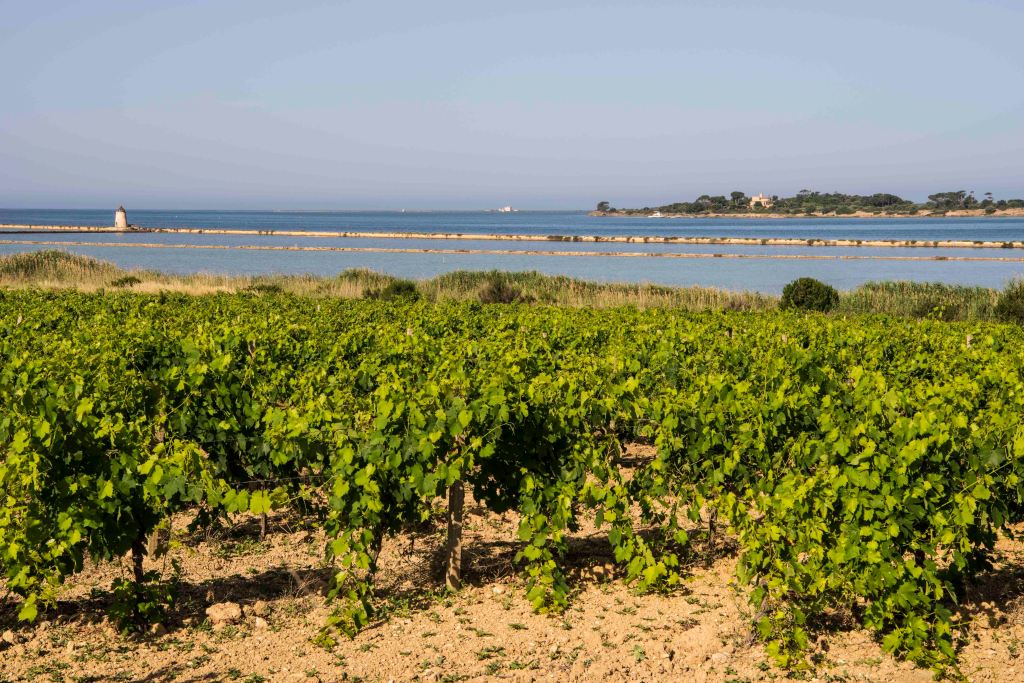
This versatility creates significant opportunities, ranging from vibrant, ready-to-enjoy white wines to more complex styles designed for ageing, as well as premium sparkling wine bases, an approach recently showcased through the “Vista Lucido” project. At the same time, research continued the island’s more than 70 native grape varieties. Micro-vinification trials carried out in 2025 identified at least seven to eight particularly promising biotypes, which could further enrich Sicily’s already diverse wine landscape.

Looking ahead to 2026, the Consortium will launch new communication and promotional initiatives for DOC Sicilia, with one of the key highlights taking place at Vinitaly. In addition to participating in major international wine fairs, the programme will include a series of events aimed not only at trade professionals but also at consumers. These initiatives are designed to showcase Sicily as a true wine continent, through experiences that bring together terroir, culture and winemaking style.

Today, the Consortium represents more than 7,000 winegrowers and around 500 bottlers, safeguarding a production of over 80 million bottles that reflects the richness of a viticultural mosaic spread across the entire island. This cohesive system has played a crucial role in strengthening the global reputation of Sicilian wines, positioning them as a contemporary expression of a land with a millennia-old history.

Making Wine Today: An Art of Passion, Challenges, and Bureaucracy

Producing wine today is not just a matter of passion and tradition. It is an activity that requires technical expertise, managerial skills, strategic vision, and above all, great resilience to the daily challenges that go far beyond the vineyard. From vine cultivation to the bottle that reaches the table, the journey is long, arduous, and often underestimated.

The first obstacle is nature itself. Climate change is revolutionizing viticulture. Prolonged droughts, late frosts, sudden hailstorms, and heat waves make every season unpredictable. Added to this is the spread of new diseases and pests, requiring constant and costly interventions. Furthermore, vineyard work requires specialized labor, which is difficult to find and retain. Agricultural labor regulations, rightly strict, entail fixed costs and obligations that not all small producers can easily sustain.

Even when the grapes are perfect, turning them into wine is anything but simple. Beyond the technical care required in the cellar, producers must comply with a myriad of regulations: labeling, traceability, certifications, electronic records, health authorizations, environmental constraints. Every mistake can result in fines or sales blocks. And making “a good wine” is no longer enough. Modern consumers are informed, demanding, looking for authenticity but also innovation. This means that producers must balance tradition and technology without losing the identity of their territory.

Italian wine is loved worldwide, but precisely because of this, competition is fierce. The market is flooded with thousands of labels, from industry giants to small winemakers. Standing out is a real challenge, especially when focusing on quality. Margins are tightening: costs increase, but prices often do not. Large retailers impose rigid conditions, and many buyers want the best at the lowest price. The risk is that quality will no longer be rewarded and small producers will be squeezed out.

Today, a good winemaker must also be a good communicator. Managing websites, social media, newsletters, events, tastings, and collaborations with restaurateurs and influencers has become crucial. Telling the story behind the wine is essential, but it’s a continuous commitment that requires time, skills, and resources. Knowing how to narrate one’s journey, values, and land is not easy, especially for those more accustomed to working with their hands than with words. Yet, communication is precisely what makes the difference between a bottle that remains in the cellar and one that conquers the market.

Finally, the bitterest chapter: taxes. The tax burden on wine in Italy is among the highest in Europe, and it does not just involve VAT or excise duties. Producers must face costs related to income tax, social security contributions, property taxes on land, and fees for accountants and consultants. For those producing small quantities, all this risks becoming unsustainable.

Making wine today is an extraordinary profession, but also an extremely complex one. Those who do it, often with dedication and personal sacrifices, are not just seeking financial returns but striving to preserve a unique cultural and territorial heritage. Supporting these producers means recognizing the value behind every bottle—not just a product, but a story of effort, passion, and resilience.

Marco Lucentini