Category Archives: Italian wines

ORNELLAIA REACHES BEYOND WINE

Ornellaia Vendemmia d’Artista project continues to support the Solomon R. Guggenheim Foundation and Museum.

This year’s Vendemmia d’Artista project is concluding with a donation in favour of the Solomon R. Guggenheim Foundation. Ornellaia estate, with the support of the charity auction organised by Sotheby’s, has donated 325.000 dollars to the Mind’s Eye program, which increases accessibility to art for people who are blind or have low vision through multisensory exploration.  

A series of large formats of Ornellaia Vendemmia d’Artista 2021 La Generosità created by Marinella Senatore, have been sold during a dedicated charity auction organized by Sotheby’s. The Italian artist has used the language of collages and light to interpret the character of the 2021 vintage.

She says: “The sense of care and belonging that is implicit in generosity is the bedrock of what becomes cohabitation. Generosity and cooperation, coexistence and, lastly, participation: these have always been the core concepts of my research. For the labels”, she continues, “I used the collage technique that I love so much and that enables me to organize many details, images, energy flows and thoughts on a piece of paper. The labels were conceived as a set of collages, which describes the land, the generosity of its traits, and the relationship between the land, energy and human beings.”

The President Lamberto Frescobaldi remarks “I would like to thank both Sotheby’s, which has been a partner of this project for years, and all the collectors who took part in the auction. We are proud to support Mind’s Eye and to see this project grow year after year, involving more and more people from all over the world.”

Mind’s Eye program is now active in the Guggenheim museums in Venice, New York and Bilbao. Cyra Levenson, Deputy Director, Education and Public Engagement, Solomon R. Guggenheim Museum, explains: “With Ornellaia’s Global Partnership and support, the Mind’s Eye program is now an international initiative, providing a way to experience the Guggenheim’s one-of-a-kind architectural sites and inspiring collections in the digital space for anyone anywhere. 

Art and wine share a multi-sensorial experience. By donating the funds raised by Vendemmia d’Artista to the Mind’s Eye program, Ornellaia underlines the shared value and importance of having an active stakeholder in today’s cultural and social community.

Scriani, a philosophy, a way of life, a truth

Scriani speaks another language: that of the vineyards, of gestures and attention, of daily work. Because the earth never lies like Scriani’s wine.

We are talking about wines born from the best grapes. But also from intuition, courage and that pinch of madness that drives us to search for the ideal blend to find the right balance between personality, cleanliness and linearity.

In an area that makes the historicity of its cellars a source of pride, Scriani stands out as a winery in Valpolicella because it speaks with simplicity and honesty. Everyone is involved and participates, everyone lives according to the rhythms of wine, everyone respects what they do best.

Fumane, the heart of classic Valpolicella: this is where Scriani tends its most precious vineyards, at Monte S.Urbano and La Costa. Situated at an altitude of between 250 and 400 metres above sea level, Scriani’s soils are bordered by the typical vaios characteristic of the Valpolicella landscape. The vines are rooted in medium-textured soils with strong components of basaltic tuffs and grey limestone.

Each vineyard is cared for respecting and preserving the surrounding environmental balance, a basin of biodiversity that adds complexity and character to the grapes.

The ‘Ronchiel’, ‘Mandolari’, ‘Bosco’, ‘Carpanè’, ‘Tondin’, ‘La Costa’ and other small plots contain vines between 9 and 40 years old with traditional planting layouts and trained to the pergola system (single and double). This system allows for an ideal density, with a production of around 8/10 tonnes/ha of very high quality grapes, harvested by hand according to the concepts of the best and most consolidated vine-growing tradition.

The philosophy

Stefano, the oenologist and owner, follows with great attention every phase of the delicate and fascinating process of transforming grapes into wine, from the work in the fields to the blending of the grapes, up to the ageing process, which takes place in French and Slavonian oak barriques.

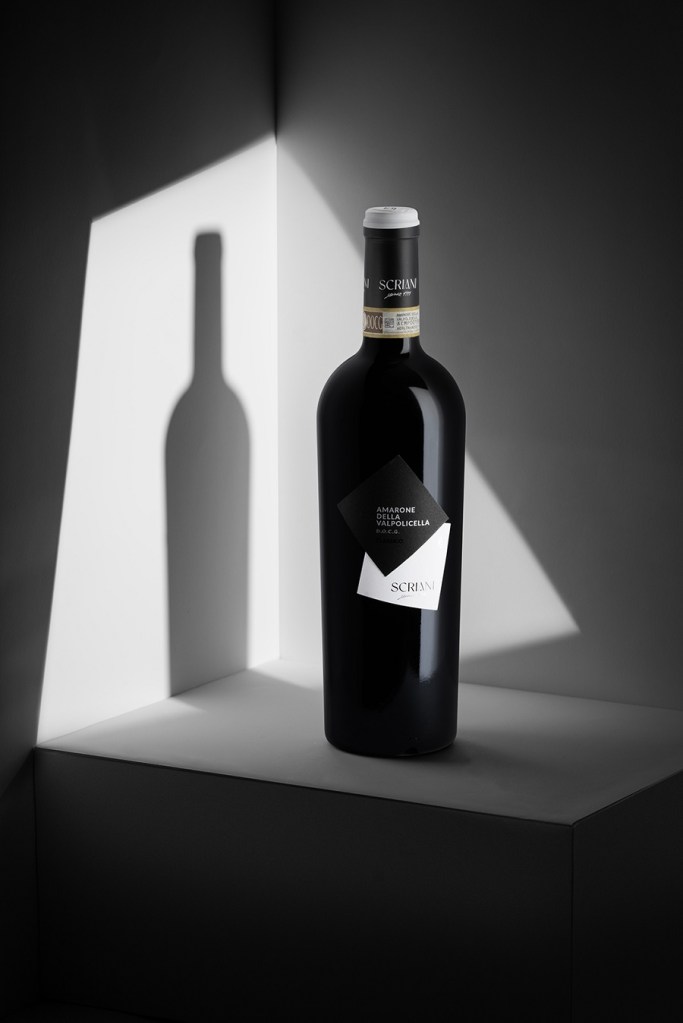
Amarone della Valpolicella Docg Classico

After a period of natural over-ripening in the fruit cellar of between 90 and 110 days, pressing takes place in 50 hl truncated oak barrels. Fermentation (where the must is in contact with the skins for 30-40 days) takes place without the addition of yeasts thanks to the integrity of the grapes. It has a deep ruby red colour tending towards garnet; very clean aromas of berry fruit, jam and cherries under spirits; flavours of vanilla, spices, liquorice and bitter almonds. On the table, it goes wonderfully with robust dishes such as game or roasts, very mature cheeses, but it is also an excellent meditation wine.

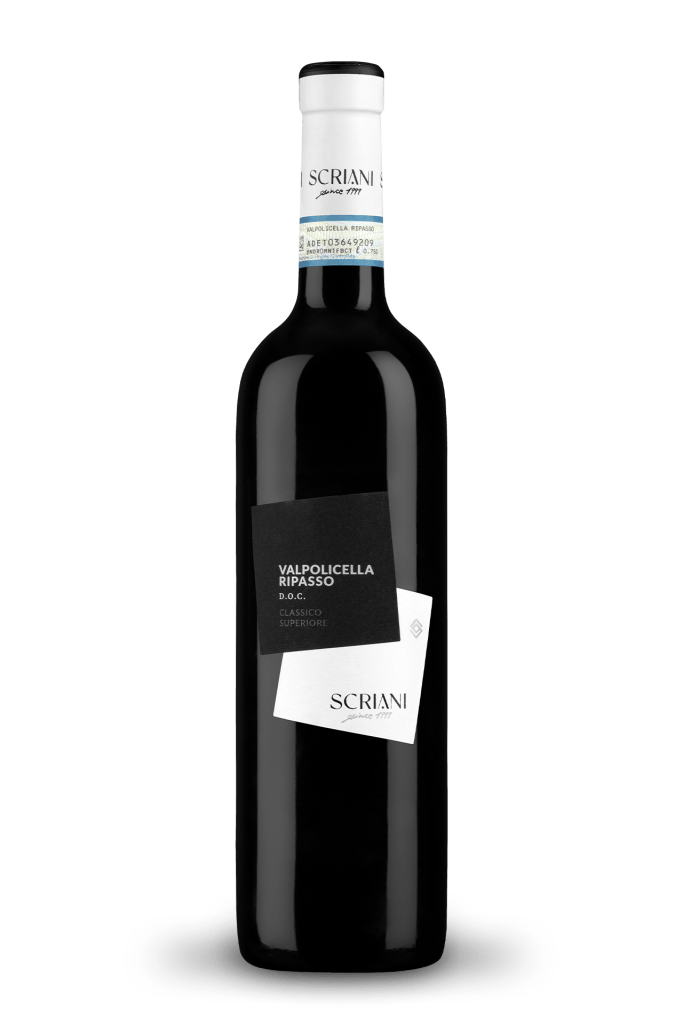
Valpolicella Ripasso Doc Classico Superiore

Wine made using the ‘Ripasso’ method; this process consists in re-fermenting Valpolicella Classico on the marc of Amarone and Recioto to acquire additional aromas, colour and body. It has an intense ruby red colour with aromas of undergrowth, black cherries and plums; on the palate it has a robust and complex body that stimulates the olfactory sensations. At the table, it pairs wonderfully with savoury dishes, mixed grilled meats, roasts and medium-aged cheeses.

Infinito Rosso Veronese Igt

Vinification takes place with drying for approx. 40 days, fermentation takes place in steel, 2 years ageing in American barriques and a minimum of 6 months in the bottle. The nose has hints of spices, herbaceousness, persistent raspberries and blackberries. Rich in aromas, tannins and colour. Perfect to accompany robust dishes such as roasts, game, mature cheeses or red meats in general. Also excellent as a meditation wine.

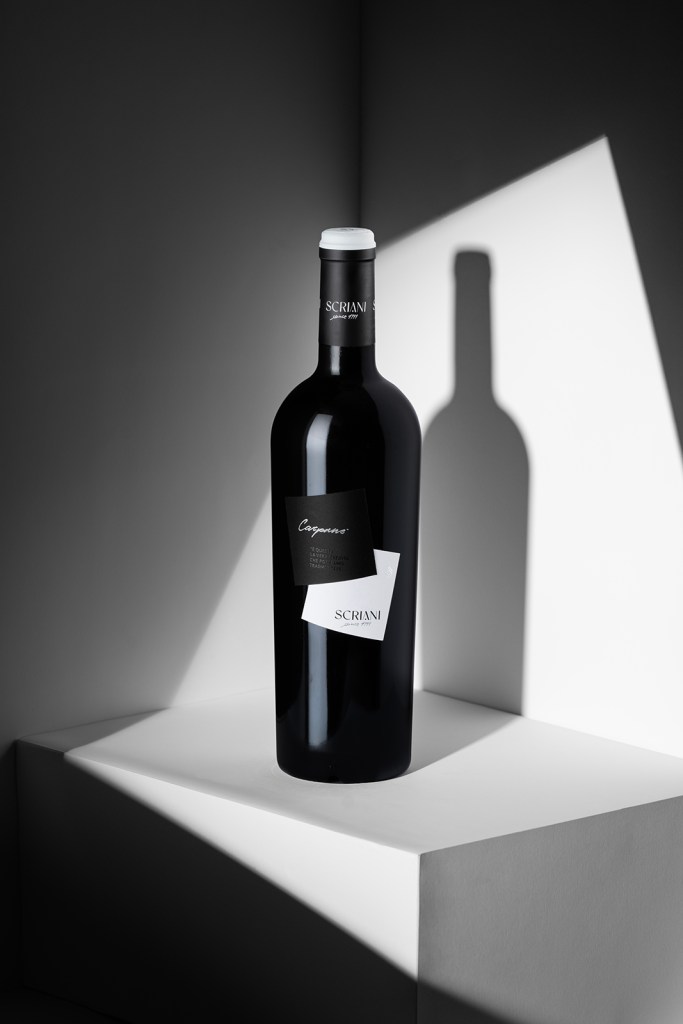
Carpane’ Corvina Veronese Igt

After a period of natural over-ripening in the fruit cellar of approx. 30 days, fermentation takes place in 50 hl truncated conical oak casks for approx. 25 days. It harmoniously expresses the diversity of Valpolicella, in which it was born, enhancing the emerging ‘irregularities’ with respect to the organoleptic canons of the area’s products. A decisive ruby red colour, a bouquet of flowers and berries; on the palate it offers pleasant herbaceous sensations with flavours of spices and bitter almonds. This wine goes well with red meat dishes and long matured cheeses.

Henry Borzi

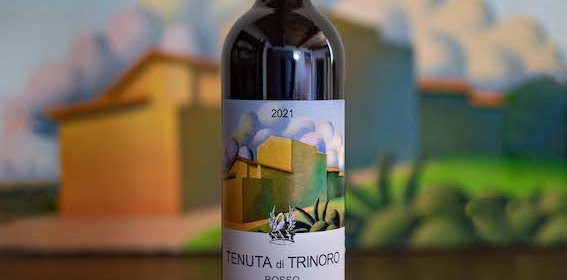
Tenuta di Trinoro debuts its 2021 vintage

Each vintage is a new, tailor-made splendour

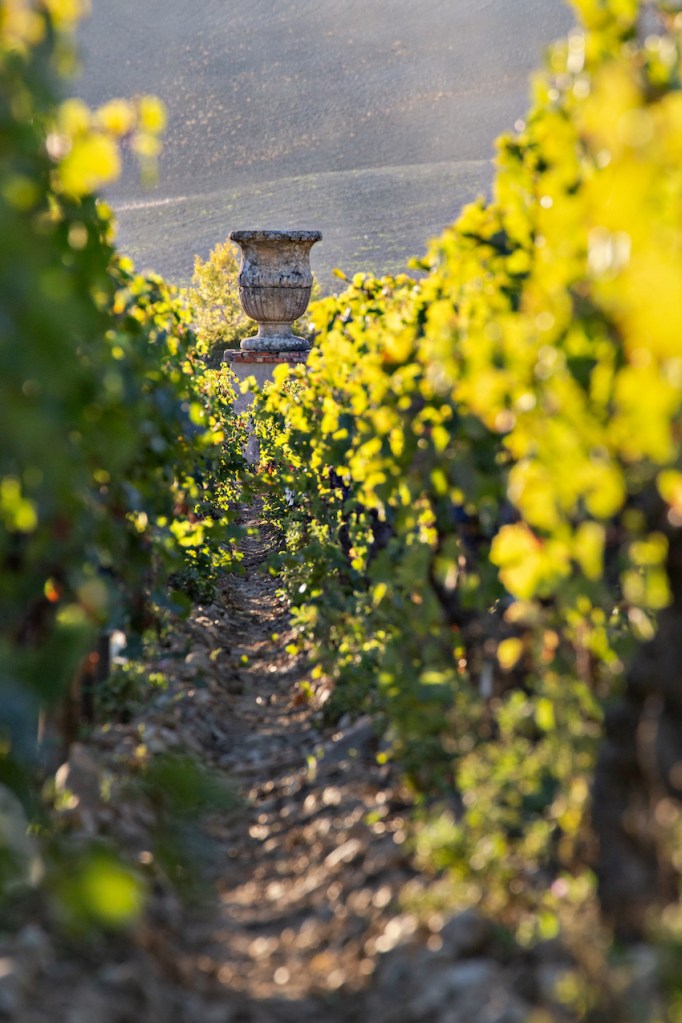
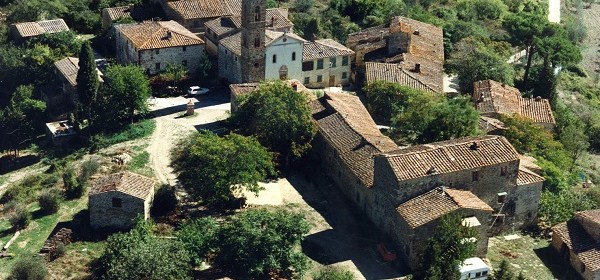
The Tenuta di Trinoro lies in the Val d’Orcia, near Sarteano, in a landscape that is picturesque yet mysterious. The Trinoro wine estate has always striven to express its personal point of view through its wines. At the helm of Tenuta di Trinoro today is Benjamin Franchetti, second generation owner. “For the very first time, Tenuta di Trinoro stands on its own, without the hand of my father, who for over thirty years guided its growth. Trinoro 2021 is far from shy, however; rather, it is almost too self-confident, explosive, as though it wants to shout to the world, ’Here I am!’ What pleases me most about this wine is that it is a quintessential Tenuta di Trinoro: strong and fierce, but also delicate and elegant. It’s as though my father’s soul lives in the grapes that produced it, and this thought is reassuring”. 

Fruit of the creative vision of Andrea Franchetti, Tenuta di Trinoro has the mission, vintage after vintage, of embodying the highest quality possible of the wine estate which carries the same name. Thanks to the estate’s multitude of micro-parcels, its cuvée composition may change, even significantly, but Trinoro remains fundamentally true to its original idea, serving as the perfect interpreter of its land and of its time.

“The style and quality that we are looking for are always clear in my mind”, continues Benjamin, “and the fact that we put on the table as many as 50 different microvinifications every year and have no predefined recipe means that each new Tenuta di Trinoro is really tailor-made, springing from our terroir with its distinctive soils and from the traits of the vintage. This way we can create something truly exceptional each year”.

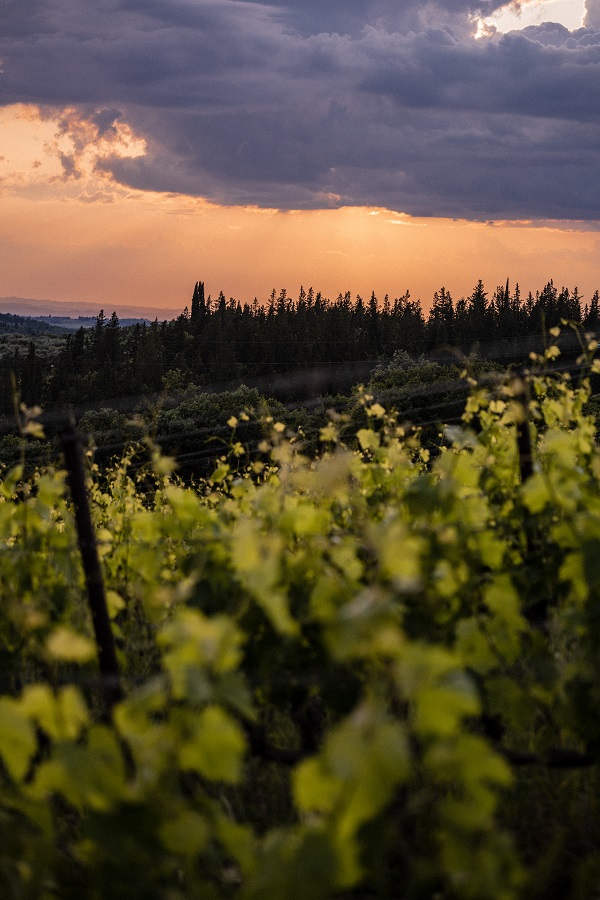
Trinoro 2021 is the offspring of a growing season that presented many challenges. High temperatures in March awakened the vines from their winter slumber at least two weeks early. Then April brought a freeze that hit the entire country, forcing the team to carpet the vineyards with 4,000 anti-frost candles which illuminated the vine rows and surrounding hills for two nights in a row. Later in the year, exceptional summer heat called into play emergency irrigation and significant cluster-thinning to ensure successful ripening. September brought fresh evening breezes to the valley, bringing relief to the vines, and the cold nights of the final part of the harvest period contributed to forming the vertical character this year’s Tenuta di Trinoro.

The harvest, which saw extremely low yields, took place in multiple phases from September 21st through October 21st. Following the fermentations and 8-month ageing in barriques, Lorenzo Fornaini and the winemaking team took measure of the vintage and finally dressed Tenuta di Trinoro 2021 with a cuvée of explosive, high-altitude Merlot (600 meters) and crisp, fragrant Cabernet Franc, revealing a bold, embracing character with dark fruit and flinty notes and a superb elegance in the glass.    

“One of the characteristics of the 2021 that particularly struck me” commented Lorenzo Fornaini, “is its immediacy. It is clear that this wine is obviously destined for long ageing, but it is already very seductive. True, it is a powerful vintage, but the balance between tannins and acidity gives it a marked gracefulness as well”.  

Tenuta di Trinoro 2021 is flanked by its second vin Le Cupole 2022, whose cuvee also dips its pen into the many estate microparcels. The 2022 Le Cupole expresses itself with an exuberant, energy-laden personality in which structure co-exists beautifully with easy approachability.

Tenuta di Trinoro 2021 and Le Cupole 2022 have been available in the markets since April 2024. 

***

Tenuta di Trinoro is located in Sarteano, in Val d’Orcia, at the foothill of the small fortress of Castiglioncello di Trinoro. Founded over 30 years ago by Andrea Franchetti, Tenuta di Trinoro is a true icon worldwide, with wines whose identities continue to transcend their creator. Its 22 hectares of vineyards, lying at 400-620 meters elevation, are planted in various types of soil, but the common denominator is blue clay, in various percentages through all the parcels. Cabernet Franc and Merlot predominate, but Cabernet Sauvignon and Petit Verdot are also cultivated, in addition to a small amount of Semillon, creating a range of excellence. The estate portfolio includes: Tenuta di Trinoro and its second vin Le Cupole; Palazzi (Merlot); I Campi (a collection of 3 single-vineyard Cabernet Franc); and Bianco di Trinoro. Directing the estate today is Benjamin Franchetti, who, assisted by a well-established and passionate team, carries on the dream cultivated by Andrea Franchetti.

Cepparello 2021: impeccable elegance

Roots, memory, and terroir 

April 2024. Isole e Olena presents the latest vintage of the estate’s legendary wine, Cepparello 2021.

This wine best represents the search for excellence that has always characterized Isole e Olena. A project that today continues along the same philosophical and qualitative lines with the new ownership, the French group EPI, which has helmed the estate since 2022.

“Cepparello was conceived as an audacious departure from tradition when it was considered impossible to produce a monovarietal Sangiovese. Today Cepparello remains what it has been, not a single-vineyard project but a quality project-selection of grapes from our finest vines. That painstaking selection process has been, and will always be, as a continuous dialogue with our estate vineyard, which, of course, is itself in a state of constant growth and evolution”, remarks Isole e Olena CEO Giampiero Bertolini.

“Our dynamic relationship with the vineyard”, continues Giampiero Bertolini, “and with the vinification process has characterised and guided Isole e Olena through its entire history. Today, that tradition constitutes a privileged vision essential for de-codifying the present and for building the future”. Its totally artisanal methods and concept of terroir linked to the hand of man have always enabled Isole e Olena to gaze deeply into the future and to move ahead of its times, to become a pioneer of innovation while remaining at the same time a guardian of tradition.

Cepparello, which debuted in 1980, matures 18 months in French oak barrels, new and used in a proportion of one to two, then rests in the bottle an additional year before release. 

The 2021 growing season started off with two significant challenges, low temperatures in spring, followed by heavy rains. These phenomena influenced both budbreak and flowering, resulting in a decreased production. But generous groundwater reserves from the spring rainfall helped the vines cope with the summer heat and develop normally. September brought warm, sunny days and crisp, cool nights, ensuring a gradual, consistent ripening, with lively acidities and complex, refined aromatic expression of the berries.  

“Cepparello 2021 is striking for its shimmering ruby appearance”, comments Isole e Olena Director Emanuele Reolon. “The nose is redolent of wild red berryfruit, followed by nuances of earth, sage, and violets, an authentic interpretation of its terroir. The palate is vibrant, rich with pronounced aromas that are tangy and sinuous, leading to a rising finish”.

Cepparello’s impeccable elegance is a tribute to Sangiovese’s ability to express its terroir, which at Isole e Olena is an interrelated complex of elevation, distinctive soils, and human brilliance. 

***

Isole e Olena, one of the truly historic brands in Chianti Classico, with distinctive character. Unfettered visionary Paolo de Marchi was the public face of a winery whose hallmarks are elegance and anti-conformity; that heritage is now borne by Director Emanuele Relon, who carries forward the same production philosophy and striving for quality. The estate, which since 2022 is a member of the French group EPI, lies in San Donato in Poggio, in the western area of Chianti Classico, and comprises 56 hectares of vineyard planted at 300-500 metres’ elevation. The portfolio standard-bearer is the all-Sangiovese Cepparello, whose inaugural 1980 vintage, a pioneering Super Tuscan, significantly shaped the history of Italian wine. This innate dedication to innovation has always marked winegrowing research at Isole e Olena, which over the decades has adopted “quality evolving” as its operative mantra. Pursuing this goal, the producer has intensified the authentic character of its own Chianti Classico, crafting an ultra-aromatic, magisterially-balanced Isole e Olena eloquently expressive of its high-elevation terroir. But Isole e Olena is reaching even further, striving to showcase the quality potential of international varieties through a cadre of monovarietal Chardonnay, Syrah, and Cabernet Sauvignon labels. The estate offers a Gran Selezione too, produced in very few bottles and only in the finer years, as well as a Vinsanto, prized by connoisseurs of this Tuscan tradition.

Wine & Vinitaly: without wine Italy would lose 1.1% of gdp and annual revenue for the country of 45.2 billion euros

Taking wine out of the equation in Italy would be equivalent, in terms of GDP, to cancelling almost all Italian sport, including football. This claim was made by Veronafiere which, together with the Uiv-Vinitaly Observatory, presented the results of the project today on the eve of the 1st National Made in Italy Day at the start of the wine event: If you take away wine from Italy A plunge into a half empty glass.”

The project, conceived in the light of frequent attacks targeting the “national drink”, includes an economic impact analysis commissioned from Prometeia and a focus by the Uiv-Vinitaly Observatory on three of the many symbolic territories with wine-making drive: Barolo, Montalcino and Etna. The results of the impact analysis confirm and quantify the economic contribution assured by the sector: should the wine supply chain “disappear”, 303,000 people would have to find another job and the country would lose an asset capable of generating (from direct, indirect and allied impact) annual production worth 45.2 billion euros and added value of 17.4 billion euros. A shock for Italy & Co. equal to 1.1% of GDP (sport, according to estimates by Istituto Credito Sportivo, is worth 1.3%). In this day after context, we would lose an economic multiplier capable of generating a contribution of 2.4 euros of production (and 0.9 of added value) for every 1 euro of expenditure set in motion by the wine industry. Lastly, every 62,000 euros of value generated by the supply chain ensure one job.

Without wine, as can be seen from Prometeia’s analysis, the balance of trade of the agro-food sector would drop by 58% (from +12.3 to +5.1 billion euros in 2023), but even if the perimeter is widened beyond the food sector, it is very clear that Made in Italy would lose a vital factor for success. Last year, wine took second place in the positive balance of trade generated by Italian flag-bearers, behind jewellery/goldsmiths – which unlike wine benefited from a significant “price effect” – and ahead of leather goods, clothing, packaging machinery and footwear. Wine tourism makes a substantial contribution to the overall economic impact of the wine supply chain which, while making a marginal contribution to the tourist economy of large cities, is often fundamental (even over and above strictly economic aspects) for many small towns and rural communities with a wine-growing vocation. According to the findings of the Cities of Wine Association, ever year wine tourism involves around 15 million people (including travellers and excursionists) with daily budgets (124 euros) 13% higher than those of average tourists, for total expenditure of 2.6 billion euros. Starting from these data, the impact analysis highlights how losing this component would cause the loss of 15% of the overall added value generated by the wine supply chain.

These are the immediate, tangible economic impacts. In a closing section, Prometeia then analysed the global interest in Italian wine in qualitative terms through a web sentiment analysis. This highlighted from the search volumes over the last 12 months extracted from Google trends that wine – after pizza and pasta – ranks third in the world among the food products most associated with Made in Italy.

BAROLO, ETNA & MONTALCINO: THREE TERRITORIES SYMBOLISING ITALIAN WINE TRADITIONS

THE CONTRIBUTION IN LOCAL AREAS IS WORTH UP TO 10 TIMES THE VALUE OF THE BOTTLE

The slopes of a volcano, a medieval village and the most famous hills in Piedmont. Wine is the trait d’union between the Etna, Langhe and Montalcino areas – territories blessed by socio-economic development with a minimum common oenological denominator whereby every bottle of wine produced and consumed locally is capable of generating impact (direct, indirect and allied) that can be quantified as 117 euros per bottle for Montalcino, 109 euros for Barolo and 82 euros for Etna. A return of wealth into these area which, in just one year, corresponds to approximately 153, 131 and 123 million euros respectively – making them emblematic case studies of a multiplier effect attributable to a sector found all over Italy. The study carried out by the Uiv-Vinitaly Wine Observatory as part of the project “If you take wine away from Italy. A plunge into a half empty glass” was presented at the Veronafiere Show on the eve of the National Made in Italy Day. Montalcino, Barolo and Etna stand out not only for average prices per hectare and production yields well above regional values: in the last decade they have also managed to ensure higher growth in per capita income, by generating work and employment.

Inasmuch, in the Tuscan village where one hectare of Brunello vineyard is worth almost 8 times an equal plot in other parts of Tuscany (1 million euros compared to 129 thousand), the per capita income is much higher than the regional average and has grown over the last 10 years by 37.9%, compared to a national average of 11.1%. This is also seen in the Barolo wine district (with the highest land value), where the average per capita income, applying the same values as Montalcino, has grown by 23.7%. The booster effect for Etna may be evident yet is still detectable, standing at 12.6% over the decade compared to the average in Sicily of 9.9%. It is precisely here, on the slopes of the volcano, that land values 5 times higher than the regional average have encouraged young generations to return to their grandparents’ fields, despite the difficulties of mountain wine-growing, with 2,000 hours of work per year for the bush-trained terraced hectares, for a total of 250,000 working days per year. This drive over the last 10 years has seen a 70% increase in vineyard areas (1,550 hectares, with average plots of less than one hectare for half the producers) and quadrupled bottled volumes (almost 6 million bottles in 2023).

These territories, with their pertinent protection consortia, have been able to identify in the virtuous relationship with wine – also a faithful guardian of the landscape against building and commercial speculation – an identifying vocation which finds its maximum (and most profitable) expression in wine tourism. According to the findings of the Uiv-Vinitaly Observatory, Montalcino – with just over 5,000 inhabitants and 16% of the workforce employed in the hospitality field – has around 80,000 official tourists – a huge flow met by more than 300 accommodation facilities and 3,000 bed places. The small town of Barolo – around 700 inhabitants – welcomes 20% of the 90,000 tourists who arrive in the area delimited by the Barolo DOCG regulations (11 towns), and has posted growth of 60% compared to pre-Covid values. In Etna, over and above the already magnetic charm of the volcano, wine has added a touch of masterly craftsmanship, helping to profile a more highly qualified and refined tourism, especially from abroad – so much so that today around 60% of the 150 companies in the wine supply chain also organise guided tours and tastings.

COMMENTS

Lollobrigida: “Italy without wine would be a poorer country.” Bricolo: “Wine helps create value even outside its own sector. It is a duty of Vinitaly to highlight these concepts.” Danese: “Wine is a component of the country’s identity. Vinitaly aims to be the global testimonial for Italian wine-making.”

The Minister of Agriculture and Food Sovereignty, Francesco Lollobrigida, added: “Wine is one of Italy’s most significant strategic products. This is also highlighted by the data in the Uiv-Vinitaly and Prometeia Observatory Reports which emphasise how the wine sector is such an important driving force for Made in Italy around the world. Events such as the OIV International Wine Conference, hosted this year in Franciacorta and Verona, not to mention Vinitaly, are useful opportunities for underlining how Italy is once again the beating heart of the entire European and global wine sector. Without wine, Italy would be a poorer nation, not only in cultural and environmental terms, but even on an economic level, since the wine sector is a strategic asset for employment and Italian exports. Wine is a valuable asset that must be protected in terms of its integrity and quality. Our task, alongside entrepreneurs, is to make it increasingly better and attractive. The Meloni Government immediately understood the importance of this sector and associated supply chains. This why it stands at the centre of its agenda, to promote it and make it increasingly competitive and recognizable around the world. This the right way ahead and for this reason we will continue in this direction.”

Federico Bricolo, President of VeronaFiere, said: “Thinking about an Italy without wine was not a simple undertaking, not the least numbers alone are not enough to demonstrate the damage of a hypothetical loss of a part of Italy’s DNA. Yet we were determined to turn on the spotlights, not the least on the occasion of the National Made in Italy Day, because wine is a socio-economic heritage that must be defended and protected. This is demonstrated by the focus on flagship denominations – Barolo, Etna and Montalcino – which like many others confirm the extent to which a wine-driven economy is capable of generating value even outside its immediate sector. By way of example, wine leads the way for all other agro-food products: as highlighted by the research, every percentage point of growth achieved by wine on a new market corresponds, two years later, to a similar growth for other food products. Vinitaly acknowledged its duty to reiterate these concepts on behalf of a supply chain that has placed its trust in its reference fair right from the outset.”

Maurizio Danese, Managing Director of Veronafiere, said: “The impact study we presented today clearly demonstrates that wine is a fundamental resource for the Country System: calculating in terms of subtraction, without wine Italy would not lose ‘only’ 1.1% of its GDP. Since the “value” of wine is much greater than its economic contribution: wine is part of Italy’s identity and is perceived as such abroad. An intangible yet equally qualifying asset of the Italian lifestyle and its values to which Vinitaly seeks to promote by being a sounding board. Vinitaly helps drive for the business of companies around the world yet also seeks to be a global testimonial of wine, its rural territories and culture, as symbolic elements of Made in Italy”.

Marcella Caimi

Marinella Senatore interprets the character of Ornellaia 2021 “La Generosità”

From 22 May to 5 June 2024, Sotheby’s will auction large-format bottles with Vendemmia d’Artista artwork labels.

The profits will support the Solomon R. Guggenheim Foundation’s Mind’s Eye program.

“La Generosità” (Generosity) is the character of Ornellaia 2021. The theme is in harmony with Marinella Senatore, an Italian artist who works all over the world, conveying the dynamics and poetics of communities. The pride and dedication of the people who make Ornellaia, inspired the artist, who designed a set of labels as unique artistic prints of the original collages, a sculpture for the Salmanazar (9 litres) and a site-specific work for the 16th edition of Vendemmia d’Artista.

In the works dedicated to Ornellaia 2021 “La Generosità”, Marinella Senatore used her artistic motifs and translated the character of the wine into a universal language. Collages and “luminarie” can be seen in the labels for the 750ml bottles, the 100 double magnums, 10 imperials and the sculpture dedicated to the one and only Salmanazar. “I observed and studied Ornellaia at length. The energy of the natural elements, like the sea, wind and stars found here, merge with the energy of the people who work here and create correlations that are declarations of awareness: it’s human empowerment,” explains the artist.

The “La Generosità” character filters through the artist’s beloved concept of care and giving, which is where hands come into play, one of Marinella Senatore’s defining features. Outlines of the hands of the people who work every day to craft the excellence of Ornellaia were included in the collages made for the labels and become both a portrait and a feeling. Dance is another important motif. Dancing is an archetypical gesture whereby the community celebrates itself and Marinella Senatore wanted to show this ancestral movement, citing the harvest festival, through an original score and dancing figures.

Lamberto Frescobaldi, President and member of the family that owns Ornellaia, reiterates: “Our identity is based on the place, our work and being a team. The 2021 character is centred on the generosity of the land and Marinella Senatore’s interpretation revealed additional meaning: the generosity of the land creates an ecosystem, to which we all belong and it is also significant for me that the harvest celebration is part of her work.”

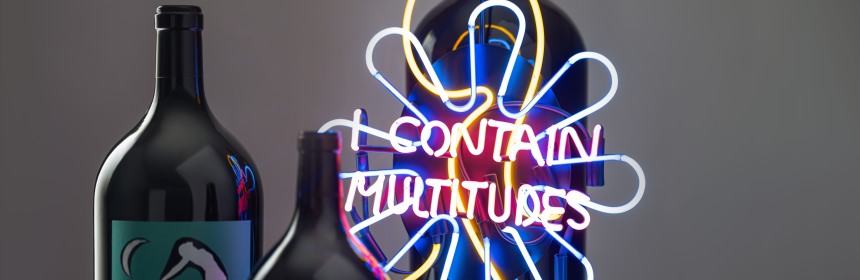
The light sculpture created for the Salmanazar forms the zenith of Marinella Senatore’s artistic process.

On the 9-litre bottle, the artist installed one of her famous “luminarie”, which were used in the past to unite people in temporary places defined by light and colour. The work for the Ornellaia 2021 Salmanazar is inspired by a Baroque rose window. It is made from innovative cold neon (so as not to have any heat impact on the wine) and contains no mercury out of respect for the environment. The Salmanazar also bears an important message: “I contain multitudes”, in the words of the American poet Walt Whitman. “The distinguishing phrases of my works are not based on personal taste, but on the collective. For me, it is interesting to bring together different communities connected by invisible threads.”  

Some of the 110 large formats embellished by Marinella Senatore’s art and the sole Salmanazar will be sold by Sotheby’s in an online auction held between 22 May and 5 June, 2024.

For the sixth consecutive year, the profits will be donated in their entirety by the owners Marchesi Frescobaldi to the Solomon R. Guggenheim Foundation to support the Mind’s Eye program, which increases accessibility to art for people who are blind or have low vision through multisensory exploration.  

The original collages, handcrafted by the artist, will form the site-specific work that will be added to Ornellaia’s priceless art collection. Finally, with the aim of sharing Vendemmia d’Artista with its community of collectors, in every case containing six 750ml bottles of Ornellaia 2021, one will feature a special label styled by the artist, as in previous editions.

Ornellaia 2021 is on the market since 1st of April.

Link to the auction page:

https://www.sothebys.com/en/buy/auction/2024/ornellaia-vendemmia-dartista-2021-la-generosita-marinella-senatore

Brunello di Montalcino 2018, a vintage in full Biondi-Santi style

In line with its tradition for 1 March, Biondi-Santi is marking that day with the release to market of the new vintage of its Brunello di Montalcino, in this case 2018. Accompanying it are the 2010 and 1988 vintages of La Storica, true oenological monuments that by definition must spend an additional minimum of ten years in the winery cellars after their first release. Such Riservas rest in the special La Storica cellar that preserves all the bottles of the 42 Riservas produced from 1888 to date, constituting a library that is both literally and figuratively priceless.

BRUNELLO DI MONTALCINO 2018

The 2018 harvest, overseen by the team helmed by Federico Radi, concluded a growing season marked by cool weather and plenteous rainfall over the entire growth cycle, and a summer with below-average temperatures. Harvest started on 16 September and continued off and on for a total of eight days. The last few days benefited from the northerly tramontana, a cool dry wind that helped dry the clusters. The result was a fragrant Brunello di Montalcino, energy-laden yet refined and balanced as well. Its moderate alcohol is already evident on the nose, which boasts an impressive spectrum of fragrances as well, ranging through dried wild herbs, sweet violets, orange zest, wild berryfruit, morello cherry, and inebriating mint. On the palate, it is simply delicious, succulent, and easy drinking, yet at the time fully capable of significant ageing, thanks to its vibrant acidity. 

BRUNELLO DI MONTALCINO RISERVA 1988 AND 2010

The Riserva 2010 is an extraordinary vintage that boosted Montalcino into the group of world-class growing areas. Its monumental tannins ensure decades of longevity, but it is at the same time approachable and enjoyable even now. The hallmarks of this particular Riserva are its depth, intensity, and firm structure, but well within the stylistic parameters of a Biondi-Santi. An explosive nose releases dark berry, pungent earth and forest floor, medicinal herbs and tanned leather, plus a touch of spice—star anise and white pepper. On the palate, all components are well-knit, with a fine harmony of powerful concentration, finesse, and vigour, powering through to a notably lengthy finish. Still austere, severe even, it shows every sign of an extremely impressive longevity.

The Riserva 1988 vaunts incredible fruit on the nose—after all these years!—segueing into tanned leather, forest floor, menthol, and blood orange. Supple, refined tannins are completely integrated yet still noticeable and make their contribution to the overall vitality of this wine. The acidity is high on the WOW scale, electric and dynamic, and is certainly one of the factors that has kept this wine so youthful-feeling despite its age. A note of sea brine adds to the depth and vibrancy of the finish. Riserva 1988 is a wine that will electrify lovers of evolved wines marked by ethereal, delicate yet elegant finesse.

LA VOCE DI BIONDI-SANTI 2024

RESPECT. Heritage. Earth. Identity.

The third edition of La Voce di Biondi-Santi accompanies the release of Brunello di Montalcino 2018 and the second release of La Storica. To access the listening experience of the new contents, both audiobook and podcast, simply use the QR code on the neckband on the bottle of Brunello di Montalcino 2018.

The theme selected by Biondi-Santi for 2024 is RESPECT.

“Everything we do here at Il Greppo springs from this value,” commented Biondi-Santi CEO Giampiero Bertolini. “Respect for the history of Biondi-Santi and the heritage that is part and parcel of that history. But for our growing area as well, of which we are respectful stewards, and for all the unique qualities of our terroir. Respect for individuals, obviously, whether they are part of our estate team or our partners across the globe. And for our loyal consumers, who can rely on wines that have never deluded expectations, thanks to the trusted character of our Brunello di Montalcino, fruit of 150 years of attention to detail. While we are preparing for the future and confronting the challenges of the present, respect is the principle that guides us in doing the best for our winery, for Montalcino, and for all who love our wine, those who know that they can rely on a wine of extraordinary longevity.”

The value of “Respect” inspired as well the new audiobook, La Corona (The Crown), by Joanne Harris, celebrated international author, screenwriter, and librettist, named an Officer of the Order of the British Empire (OBE) by Queen Elizabeth II.

La Corona is a succession of brief stories spoken by voices within the framework of a fairytale-like narrative charged with a fantastical atmosphere with traces of the author’s best-known book, Chocolat, the best-seller that inspired the popular film of the same name, even though La Corona’s most explicit reference is to The Thousand and One Nights.

A king, who is about to inherit the crown of his deceased father, who for more than a half century

as king had been loved and respected by everyone, feels unequal to the responsibility he is to inherit. So, he asks courtiers, nobles, and common folk how his father had won such deep respect from everyone. The replies, which are recounted, provide the king with a definition of respect and the concrete ways that respect is demonstrated that is so broad, diverse, and variegated that he comes to realise that the only way to understand it is to perpetually go in search of it. 

Neri Marcorè recites the story in the Italian version, and Tomas Arana the English.

Four conversations that make up the podcast explore the theme of respect through personal interpretations of as many speakers. CEO Giampiero Bertolini expatiates on “Respect history by talking about the future,” and Technical Director Federico Radi explains “The historical vineyards, our treasure-box.” “We can’t control nature,” is the theme by yachtsman Giovanni Soldini, selected by Biondi-Santi as this year’s Kindred Spirit, and author Joanne Harris talks about her personal experiences at Biondi-Santi in her “Respect is a reciprocal value.”

BIONDI-SANTI

The first use of the word ‘Brunello’ dates back to the mid-19th century, when Clemente Santi won a prize for his ‘vino scelto,’ made entirely from the Sangiovese Grosso variety grown on his land in Montalcino. In 1888, his nephew, Ferruccio Biondi Santi, produced the first wine officially known as ‘Brunello di Montalcino.’  Since then, the Biondi-Santi name has been synonymous with excellence and is one of the world’s leading lights in the ‘Made in Italy’ movement, loved by both collectors and the most respected wine critics.

In 2017, Christopher Descours’ acquisition of Biondi-Santi opened a new chapter in the company’s story with the introduction of important research and development projects both in the vineyards and the winery. These projects aim to further build on the excellence that has always been associated with this producer.

La Generosità (Generosity), the essence of Ornellaia 2021

A delicately balanced light-filled interpretation of the sun and sea, translating the land that gives everything to its vines.

The mild climate and rainfall of early-mid 2021 allowed for adequate water reserves to build in the lands of the Ornellaia estate. Precious water returned to the vines during the hot summer months that had almost no precipitation.

“It’s precisely the generosity of our soils, together with the meticulous work of the team in the vineyard, that has led to a harvest of healthy grapes with great qualitative potential,” stated Lamberto Frescobaldi, President of Marchesi Frescobaldi. “To reflect this giving land, La Generosità (in english Generosity) is the character chosen to reflect the essence of Ornellaia 2021”.

Marco Balsimelli, Production Director at Ornellaia, detects the essence of the vintage in the glass: “Ornellaia 2021 is a very expressive and complex wine. With hints of Mediterranean scrub, juniper berries, and with classic aromas of blackcurrant, there’s a notable density and a fleshy tannic texture that fills the palate with precision, length and flavour.”

Cuvée of Cabernet Sauvignon, Merlot, Cabernet Franc and Petit Verdot, this Bolgheri Rosso Superiore DOC translates the essence of the vineyard parcels it comes from, but it does so with its own personality. In tune with the trait of this year, Ornellaia 2021 embraces tasters with magnificent sensations. Persistent and vibrant, it brings with it an aromatic freshness and elegance that makes it irresistible for enthusiasts and collectors.

The renowned Italian artist Marinella Senatore was invited to interpret the character “La Generosità” (Generosity) for the Vendemmia d’Artista project, choosing to portray the theme through the medium of collage.

Ornellaia 2021 debuts on the market on 1st of April, with every case of six bottles of the vintage (0.75 l bottles) enhanced by one artistic label.

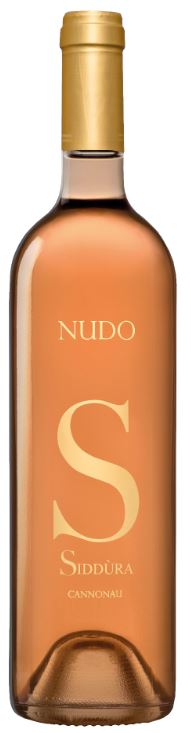
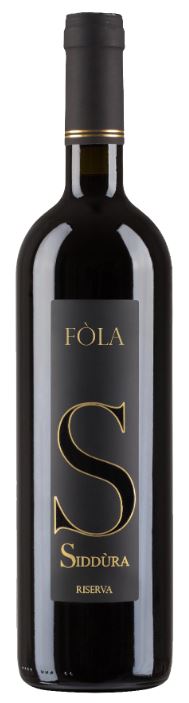
Siddura: the virtues of heritage

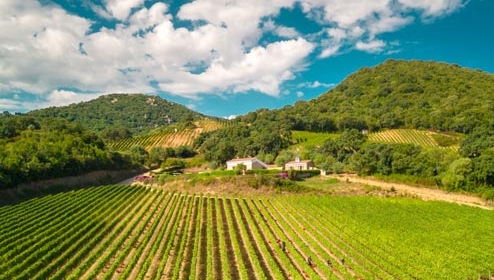
Situated near the medieval, picturesque little village of Luogosanto, Siddùra can be. described as the heart of the Gallura. Here the noble culture of wine is as old as the history of the people who have inhabited this land over the centuries. To renew this antique tradition gives a historical dimension to our lives and daily toils. It fulfills our dream of creating something unique and extraordinary of these ancient roots. We are grateful for being so lucky.

The soil of the Siddura vineyards consists of a mixture of granite, sand and clay. Being loose and dry they provide the ideal conditions for viticulture, where vines give best results when suffering “hunger and thirst”. Mild temperature swings, a ventilated climate and optimal sun radiation, due to the gentle slopes, help to preserve and enhance the organoleptic character of the fruit. Our aim is to produce wines which can be closely identified with their Terroir.

Particular climatic conditions combined with soils of exceptional quantity are fundamental components of great wine. Various kinds of cultivation, meticulous supervision of the vines as well as low yields provide for unique, well-balanced and elegant wines.

The wine cellar, situated at the center of the vineyard is a subterrenean structure with natural insulation resulting from its location. Here the entire production chain takes place, starting with the grapes and ending with the bottling. We favor spontaneous fermentations and use diversified types of containers, like cement tanks, oak barrels. We regard it as our mission to respect and enhance the quality of the product, donated to us by Nature and enriched by our intellectual and professional skills.

BÀCCO

Their Carignano, comes from the most vocated area in the Region of Sardinia for this vine, introduced by the Phoenicians around the 9th century B.C. and then spread in Roman times in the south-west of the island. The wine’s taste-olfactory characteristics reflect those of the territory in which it originates, characterised by Mediterranean scrub, myrtle and strawberry bushes alternating with mastic tree and helichrysum. A dimension between heaven and earth that renders space indefinite and extends the gaze towards the horizon.

Intense ruby red, enveloping and complex, incipit of currants and berries in spirit, accompanied by sweet spices.
The palate is full-bodied, fruity and persistent, fading in an interplay between freshness and subtle tannic notes.

TÌROS

The region of Sardinia, with its unique scenery and enchanting landscapes, is not only a land for great red wines from indigenous grapes, but is now also recognised for the great value of its terroir, ideal for the cultivation of both national and international varieties, capable of producing wines of extraordinary structure and elegance, such as Tìros. Grapes that the winery processes with care to obtain a harmonious and persistent blend. An important wine for long ageing, which could not be missing to complete, with its prestige, the rich range of wines produced at Siddùra.

Intense red, fine and opulent, with a complex bouquet of spicy notes, red fruits and jammy blackberries
Full and velvety, of great elegance, with soft tannins that give pleasantness, intensity and body.

MAÌA

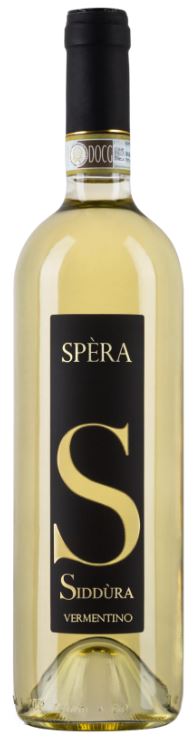
This is their first wine born on the estate from a careful selection of the best grapes. The particular type of soil resulting from granite disintegration, together with an optimal microclimate, have contributed to making Maìa, a Vermentino that, as its name evokes, ‘tastes of Gallura’.
Straw yellow in colour. yellow-fleshed fruit and white flowers. harmonious and delicate.
Fresh and savoury, with a good balance of flavour and a bitter almond finish typical of the variety.

Marcella Caimi

Pellegrini since 1904, quality wines and spirits

The family tradition related to wine began in the late 19th century, when Pietro Pellegrini (great-grandfather of the current owners) sold wine in his tavern at the foot of Cisano Castle. In 1904 the headquarters (still the company’s headquarters today) was built in Cisano with cellars for storing bulk wines, which was followed by the beginning of wholesale distribution in Lombardy.

The birth of the trademark “PPC – Pietro Pellegrini Cisano” dates back to that time, used to brand the estate barrels, and preserved over time as the company logo.
In the 1950s, his son Angelo (grandfather of the current generation) brought his experience to the town of Sava (Taranto), opening a branch and starting to take care of winemaking as well, with the help of his sons Gian Pietro and Emanuele.

In 1963 a farm in Montelupo Fiorentino, Florence, was purchased and a new winery built. Thus was born Fattoria di Petrognano, a winery producing wines with a strong Tuscan tradition. The wine and olive-growing business was developed and has been carried on ever since, with the same passion and dedication, by the Pellegrini family.

Inside them is a “cellar within a cellar” where the last bottles of labels that will no longer be offered for sale are placed, with the aim of building a “historical cellar” of the most important wines distributed.

WINE

Graci Etna rosso

Winery protagonist of Etna’s oenological renaissance in the name of quality and respect for identity. Located on the northern slope of the volcano, in Passopisciaro, an area of millennial winemaking tradition. The vineyards, with a density of between 6,000 and 10,000 vines per hectare, are located between 600 and 1,000 meters above sea level, part of which are planted free-range.

Only native grape varieties: Nerello Mascalese, Carricante and Catarratto. Great attention to sustainability. Cultivation of the vineyards under a certified organic regime. Very careful selections and search for full maturity by limiting yields in the vineyard to a minimum. Rigorous approach in the cellar in search of precision and finesse.

Vinification and aging take place in cement tanks, in vats and in large barrels produced with very long aging wood.
All work is aimed at indulging the personality of the vines while keeping intact the diversity and nuances between one vintage and the next, in the belief that only by indulging and respecting the natural expression of a great territory can we have wines capable of excitement.

Meme Chianti Superiore

The most widely produced wine of the Fattoria di Petrognano is Chianti in the ‘young’ type and represents 70% of the total production. Its vinification is traditional, in stainless steel, with maceration on the skins not too prolonged. After vinifying the grapes from each individual vineyard of Sangiovese and Canaiolo separately, the best containers are blended, with careful tasting. The result will form the blend of Meme Chianti docg (its name indicates the nickname given by the grandson Emanuele to his grandfather, also Emanuele).


The result is a wine for the whole meal, also excellent served chilled in summer. Exclusively in the best vintages and with part of the same lots selected, Meme Chianti Riserva docg will be aged in wood.

Elixir Pellegrini Private Stock

Barba-Turico was inspired by nineteenth-century remedies that, sold by acrobats in the squares, promised to cure everything from lovesickness to toothache. These remedies, in turn, adhered to the precepts of the Kabbalah, which provided in the number of 26 ingredients the perfect balance for the creation of an elixir of long life.

After more than a year of careful study of the laboriously recovered liquor manuals of the time, Davide Monorchio, head of the Liquors and Distillates division of Pellegrini S.p.A., analyzed hundreds of recipes and identified 26 botanicals from the Italian Alps, each known for its healing properties, to create an elixir with an “alpine” flavor.

A couple of examples? Achillea Millefoglie, in addition to being perfect for making liqueurs, was also used to treat states of anxiety and insomnia thanks to its pleasant aromatic notes. Peppermint, rich in balsamic aromas, is known in herbal treatises for its digestive virtues while Chamomile is still widely used today for its mild calming effects. Barba-Turico comes from the slow cold maceration of 26 elements including herbs, spices and roots, typical of the Italian mountains. An ancient elixir, pleasantly balsamic excellent to be enjoyed straight at the end of a meal but also served over ice.

Baffotonico is the result of the slow cold maceration of a selection of 26 berries, roots and flowers known in herbal disciplines for their stomatal and restorative virtues.
Ever faithful to the tradition of bitter elixirs, in the most literal sense of the term, Baffotonico offers itself to fans of the genre with a generous alcohol content, 33 percent vol. to maximize the aromas and flavors of all the botanical compartment used and with the addition of a very low residual sugar, the minimum necessary to create a perfect balance.

« Older Entries Recent Entries »