Author Archives: VinoeStile

Cantina Dal Maso, a centenarian tradition


Among the beautiful hills of Selva di Montebello in the province of Vicenza, in the heart of the Doc Gambellara area is the cellar Dal Maso. Born at the end of the nineteenth century thanks to the foresight of Luigino Dal Maso who started a series of important investments and acquisitions of new properties in the most prestigious areas of Gambellara, makes Cantina Dal Maso a state-of-the-art company in the best technologies and high quality wines.

Dal Maso

Ca’ Fischele

It is a wine produced by Garganega 100% grapes with vines of over 40 years. It has a straw yellow color loaded. In the nose the bouquet is fruity and floral. In the mouth is spicy with fruity aftertaste. At table it is ideal for starters and with fish and white meats. Perfect with shrimp risotto and bruscandoli, with snail ravioli and Bassano’s typical asparagus.

Durello DOC Brut

A wine obtained from Durella grapes. It has a straw yellow color loaded with a slight fine perlage. The bouquet is fruity with hints of fishing. In the mouth it is sapid, fruity harmonic. For the food pairing it is great both as an aperitif and for all meals. With the typical vicentini dishes it is ideal with salted pancakes with pumpkin flowers, polenta and cooked salami, croutons with shrimp cream and soppressa vicentina dop.

vini-gambellara-slide3

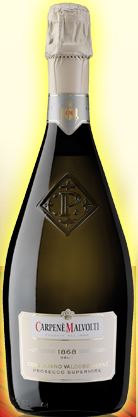
Prosecco DOCG 1868 Brut, Carpene’ Malvolti

For over 145 years Carpene’ Malvolti‘s passion for tradition and research for innovation are the features that characterize this company historically the first to sparkling the typical Prosecco. Born from the dream of Antonio Carpenè to produce a sparkling wine with the grapes harvested in the hills of Conegliano and Valdobbiadene, a dream that has become a mission: to produce in every vintage high quality sparkling wines, which still today continue to happen day by day.

We tasted: Prosecco DOCG 1868 Brut

This wine, obtained from grapes grown on the hills of Conegliano and Valdobbiadene, was first made by Antonio Carpenè in 1868. It has a straw yellow color with greenish reflections. It has a very delicate bouquet with hints of apple and citrus. In the mouth, it is extremely refreshing with balanced acidity; there are the citrus flavors that persist in the final.
In the kitchen, it is perfect for an aperitif, and it expresses its best in risottos with fish and with white meats.

Wine must-know terms for holidays

The basic wine terms might be very useful during vacations, especially in Europe, with its ancient grape-culture. It is not necessary to get in-depth, but below there are some terms we would recommend to keep in mind, while entering a restaurant in Italy or France, or Spain.

In reality the wine terms in these countries could be traces to days of Roman Empire and beyond, however for a tourist it would be beneficiary to master some basics. Here are the basics to make your conversation with a sommelier a meaningful experience:)

  • Tanins – Naturally occurring compounds in grape seeds, skin and stems that will make wine taste “astringent and dry.” Bitterness in red wine is what is called tannin.
  • Varietal – The type of grape that your wine is made from. From Cabernet Sauvignon to Chardonnay, varietals are the most common wine identifiers.
  • Terroir – How the environment grapes are grown in affects the taste of your wine, from soil to climate.
  • Oaky – One of the most famous descriptors of wine. It’s when your wine has wooden undertones, usually thanks to the barrels it was aged in.
  • Bouquet – the terms wine aroma and wine bouquet are not exactly scientific but they can be useful to classify the origin of where the smells come from in wine. A wine aroma is derived from the grape variety and a wine bouquet is derived from the winemaking process of fermentation and aging. A classic example of a wine bouquet is the smell of vanilla, which usually comes from aging wine in new oak barrels.
  • Sweet vs. dry – Sweet wines are usually easier for novices to swallow than drier wines. Dry wines have more undertones of tanins and may make your mouth feel more sensations.
  • Light vs. full-bodied – Lighter-bodied wines go with light dinners and summertime. They usually have higher acidity and lower tanins. Fuller-bodied wines go with a steak dinner and cold winter nights. They are low in acidity and drier.
  • Finish – The aftertaste of wine. Does the taste last for a while after you swallow? This is the difference between a short finish and a long finish. Simpler wines tend to have a shorter finish, while more complex or older wines tend to have a longer finish.

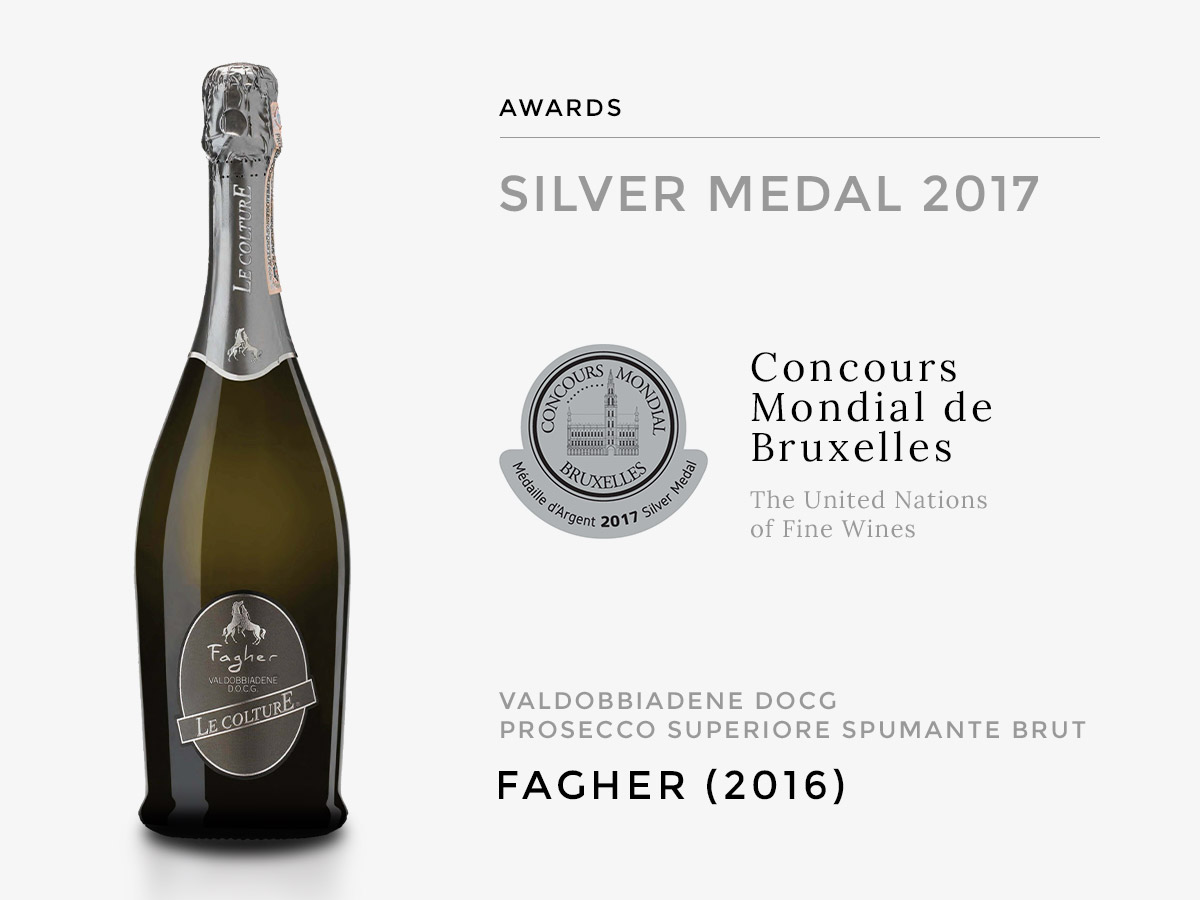
Silvery rain for Valdobbiadene DOCG Prosecco Superiore Brut Fagher

The Decanter WWA and Concours Mondial de Bruxelles medals

It’s time to update Le Colture summer palmarès! This time the attention is focused on the Valdobbiadene DOCG Prosecco Superiore Sparkling Brut ‘Fagher’ protagonist of an excellent placement at two of the most acclaimed international wine competitions, being awarded with two Silver Medals at the DWWA – Decanter World Wine Award and the Concours Mondial de Bruxelles 2017.

The brut ‘Fagher’ is the most modern version of the sparkling wines produced by our company and the most internationally successful – explains the marketing manager and co-owner Alberto RuggeriIt is the result of a blend of Glera grapes coming from the vineyards located in Valdobbiadene and Ogliano hills. Thanks to its low residual sugar, 9 gr/liter, a pleasant acidity, good minerality and sapidity, this wine is an excellent interpreter of our philosophy’s distinctive features regarding the Prosecco Superiore.”

It is a fresh, young and characterful wine. Its most attractive aspects are enclosed in the inviting sweetness of the scents rich in citrus and fresh vegetable notes, which often combine with a pleasant note of bread and a lively tasting energy. It has a thin perlage that ensures good persistence in the mouth and cleansing of the palate as well as being an additional weapon in food matching. You will appreciate it with fish appetizers and processed vegetables, first courses with seafood and baked fish, or throughout the meal as is usual in the production area,.

Behind every single success there is a united family, a solid team in which everybody has a specific role, each of them working hard with a strong, remarkable passion, showing unchanged respect for a unique territory of inestimable value, which can reward all efforts and sacrifices with an undisputed high quality level.

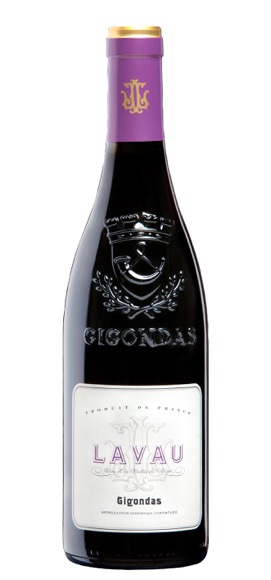
Maison Lavau – Château Maucoil

Grape varieties:

Grenache noir (50%), Syrah (40%), Mourvèdre (10%)

Tasting notes:

This wine is deep on the nose with pronounced spicy aromas (peper, nutmeg), typical of the appellation and which accentuate the aromas of blackcurrants and raspberry jam. On the palate, the wine shows a solid yet nicely coated structure , volume and superb length

Serving and food pairings: 

Serve at 17-18°C allow the wine to express its full complexity. Decanting before serving would also be beneficial. This Gigondas can be paired with guinea fowl, coq au vin, a beef stew or casserole, and other prepared dishes, even if spicy or highly seasoned

New Slow Food Presidium Launched in the Netherlands to Protect Traditional Boeren Leyden Cheese

unnamedLast Sunday, June 25, Slow Food Netherlands launched the Traditional Boeren Leyden Presidium during the Slow Food in the Park event, a festival held to celebrate the diversity of the Slow Food network and spread the message of good, clean and fair food, featuring free workshops, tastings and a lunch prepared by the Slow Food Chefs’ Alliance.
 

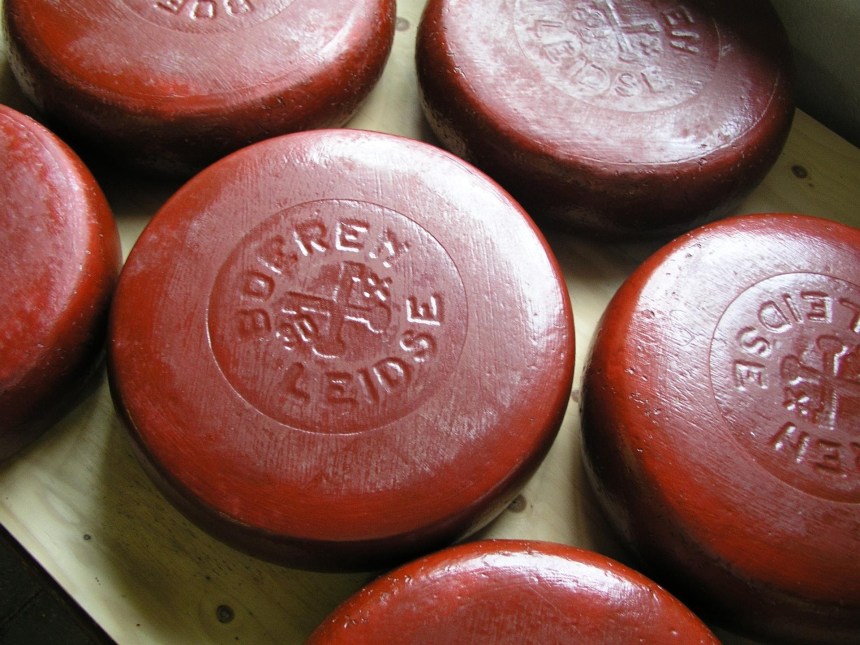
The new Traditional Boeren Leyden Presidium promotes cheesemakers from the cheese’s historic area of origin in Southern Holland, who skim milk following natural procedures and produce 10-12 kg cheeses matured for at least 12-18 months. Boeren Leyden is one of the oldest cheeses in the Netherlands, but today only a few farms still graze their cows in the open pastures of the polders and use traditional equipment and methods to produce a high-quality cheese whose flavor is on the verge of disappearing.


The Presidium involves a group of producers and affineurs:


Until 1870, all the cheese in the Netherlands was made on small farms by the cattle breeders themselves. When, in the early 20th century, the international demand for Dutch cheese increased, small cheesemakers gradually went into crisis, unable to survive on a market demanding competitive prices and high production figures. Nowadays, just 1% of Netherlands’s cheese is made on small farms and Boeren Leyden represents just a small fraction of that percentage.


The city of Leyden, whose coat of arms is stamped on labels, hosted a popular cheese market as early as 1303 and, until two centuries ago, Boeren Leyden was the most common cheese in the country. Thanks to its high acidity, low fat and firm structure, this cow’s milk cheese was perfect for carrying on Dutch navy and merchant ships. Despite the extremely high temperature and humidity of the tropical seas, the cheese kept very well and was used to nourish ships’ crews throughout the 16th and 17th centuries and traded in the country’s overseas colonies. It was in that period that cumin was added to the curd to make the hard cheese easier to cut.


According to the traditional Boeren Leyden cheesemaking process, morning milk is left to stand all day long to allow the cream to rise to the top. Then the cream is removed and the evening milk is added. The cream that rises during the night and removed the next morning, after which the milk is heated to a temperature of 28-30°C. Rennet is added, the curd is cut into 5-10 mm fragments in the next half hour, the whey is drained and the curd is washed with water to regulate lactose and pH levels. The curd is then stirred vigorously and left to ripen, following a practice similar to that of cheddaring. The resulting curd is crumbled and, after the addition of cumin seeds, placed in molds between two layers of curd to which cumin has not been added. After the molds have been pressed for some hours, the cheeses are extracted and pushed through so-called ‘zakpers’, which give it its typical rounded shape. After being soaked for four days in brine, the rind is coated with a reddish-brown film dyed with annatto seeds.


Boeren Leyden has received PDO (Protected Designation of Origin) certification under the ‘Boeren-Leidse met sleutels’ denomination and the 10-12 kg cheeses can be made throughout the year, maturing periods varying from 30 days to 30 months.

Cheese 2017 focuses on raw milk cheeses and naturalness


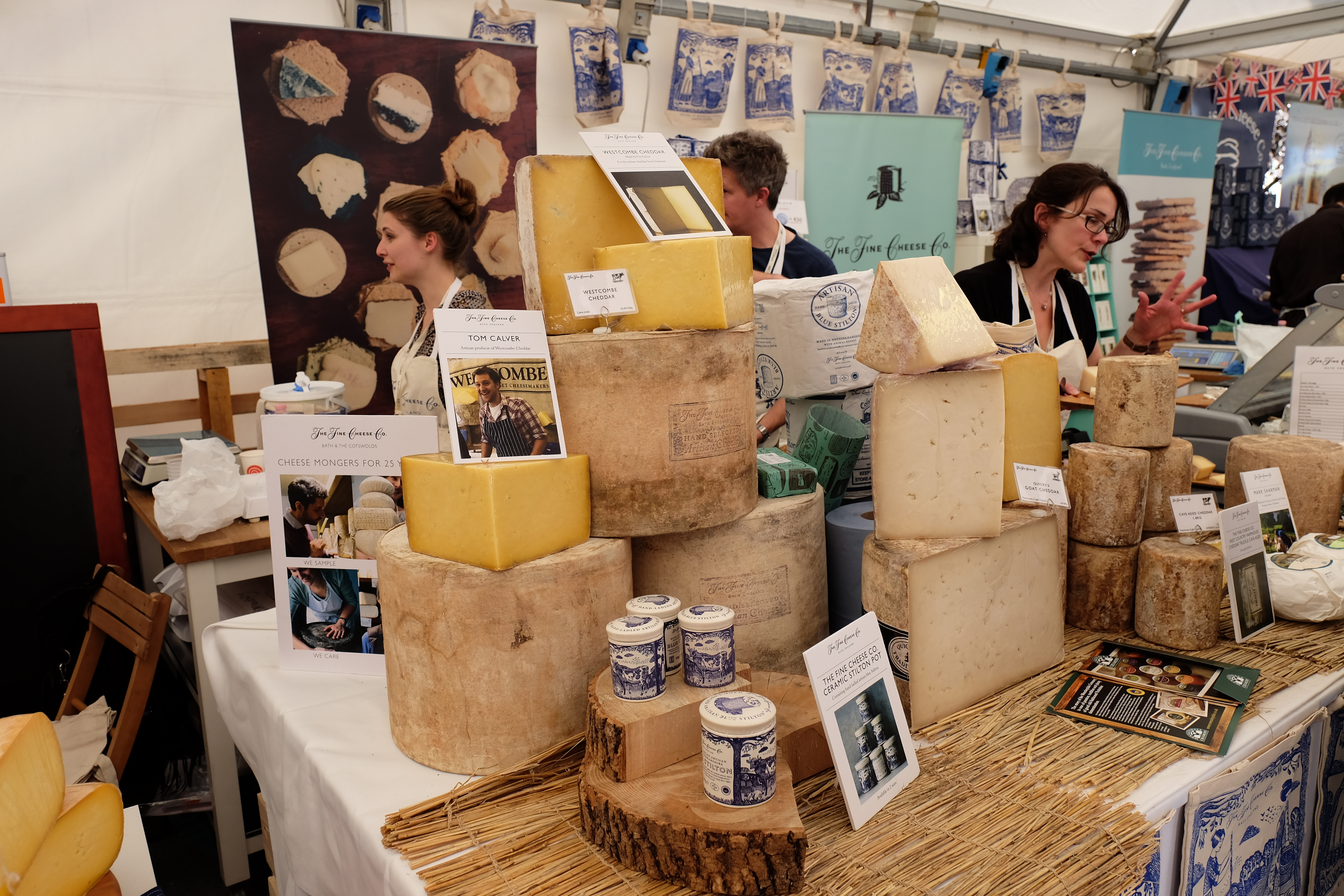
Cheese 2017, the international event organized by Slow Food and the City of Bra dedicated to high-quality and artisanal dairy products, will be held in Bra (Italy) from September 15-18 2017.

The event, which celebrates its twentieth birthday this year, has gradually built an international network of cheesemakers, shepherds, cheesemongers and affineurs, the people who come together every two years here to present their products, meet the public, debate the challenges they have to face and address critical new issues in the dairy world.

The last edition of Cheese, held in 2015, saw the participation of more than 270,000 visitors, 30% of whom from overseas, and more than 300 exhibitors from 23 countries.

Cheese 2017 puts raw milk cheeses at the center of the debate. For the first time ever, this year the Italian and International Market features only cow’s, ewe’s and goat’s cheeses made with raw milk. This is a big step forward that raises the bar of quality even higher. Raw milk cheeses, in fact, epitomize an immense heritage of biodiversity—of pastures, of animal breeds, of different kinds of milk, of skills and traditions. They embody values in stark contrast with the sterilization and homogenization of mass-produced food.

What’s more, this year Cheese aims to launch a veritable raw milk movement and to plan its future actions. In many countries, raw milk is prohibited or restricted, meaning that producers aren’t free to make traditional raw milk cheeses and consumers aren’t free to choose for themselves. The battle in defense of raw milk, carried forward by Slow Food since the earliest editions of Cheese, has achieved significant results and the network of small-scale producers has spread to countries as far away as South Africa, Brazil and Argentina. However, there is still a long way to go.

Of close on 600 international Presidia, as many as 95 are dedicated to cheese. At Cheese, visitors will be able to find out more about many Slow Food Presidia, such as Raw Milk Stichelton from the UK, Mountain Pasture Sbrinz from Switzerland and Boeren Leyden Traditioneel, a new Presidium recently launched in the Netherlands.

The guest of honor this year will be the USA, where Slow Food launched its now historic American Raw Milk Cheeses Presidium.

Another of the main themes of Cheese 2017 is naturalness (hence the use or otherwise of industrial enzymes in cheese), with a dedicated area featuring not only cheese itself, but also naturally cured meats produced without the use of nitrites, nitrates and other preservatives, natural wines made with selected yeasts and without sulfites, traditional spontaneously fermented Belgian Lambic beer and sourdough bread.

Natural cheese means cheese made without industrial enzymes. Today, the majority of dairies no longer process milk by hand, wood is often banned and the milk flows from steel tube to steel tube in a perfectly sterilized environment that inhibits the growth of bacterial flora. All of which translates into a huge loss of biodiversity.

Some cheesemakers purchase ready-to-use enzymes to add to milk and start the coagulation process, their aim being to achieve a safer, more consistent product with fewer defects. The multinationals that produce and package starter cultures are making a fortune with this convenient shortcut, which eliminates flaws but standardizes taste. For years Slow Food has been encouraging cheesemakers not to use starter cultures—or, at least, to avoid buying them in—but to produce them in their own dairies (just as sourdough bread bakers and vinegar producer do), thus maintaining native bacterial flora and the sensory identity of the finished cheese.

The program for Cheese 2017 includes 35 Taste Workshops, guided tastings to allow visitors to discover the world of dairy biodiversity and more besides; Dinner Dates, opportunities to meet some of the finest Italian and international chefs and enjoy their special dishes; and conferences on issues involving animal welfare, global warming, nutrition and health.

VINNATUR: PRODUCERS ELIMINATE PESTICIDES


Analysis on 80 samples of VinNatur wines confirm the complete absence of pesticides. In the meantime, pilot projects on biodiversity continue.

A great result has been recently reached by VinNatur. None of the 80 samples analysed in order to check wine quality contained traces of pesticides, thus confirming that VinNatur offers consumers real guarantees and not simply declarations. First, research was carried out to identify 188 different pesticides and none of these were found, thereby guaranteeing the wines’ authenticity and coherence with VinNatur’s principles.

VinNatur represents 187 producers from 9 countries and has made this guarantee a point of honour for wine lovers. Angiolino Maule, President of VinNatur, explains: “We wanted to go beyond a simple self-certification. It is important that VinNatur wine consumers will drink wines which have been officially certified by external laboratories”.

All the producers who have joined VinNatur association in the last 5 years have been checked. Sulphur analysis reveal that 35 samples were below 50 mg/l as stated by the Guideline Procedure and 45 samples contained even less less than 10 mg/l (the limit for organic wines in Europe is 150 mg/l for white wines and 100 mg/l for red wines).

It is the first time all samples analysed reveal negative test results. In 2016 on 150 samples analysed, 4 (3 Italian and 1 French) contained pesticides. For us it is a very important outcome. It confirms that we are moving in the right direction. It is not our final goal but it is certainly an important stage in the growth process we are doing as VinNatur association. We are focusing on how to replace copper and sulphur with vegetable extracts that help the vine building up resistance. But our most major project is on biodiversity”.

The biodiversity project supervised by agronomist Stefano Zaninotti from Vitenova – Vine Wellness in collaboration with biologist Irene Franco Fernandez, botanist Cristiano Francescato and entomologist Costanza Uboni, has involved 17 wineries for this year. Data deriving from surveys on soil, flora and fauna will allow to develop an appropriate scientific model enabling wineries to understand which are the most suitable plants that can be used for preserving soil microbiological fertility and helping vines develop properly. This will lead to a higher resistance of the vine itself, further reducing human intervention and getting closer to VinNatur aim: a healthy viticulture as naturally-driven as possible.

Association of Natural Wine Producers – VinNatur
VinNatur was established in 2006 in order to reunite small producers of natural wines, both Italian and European, and provide them with a proper tool for promotion and growth. The Association aims at promoting natural wines from a commercial point of view and at the same time developing specific knowledge of natural viticulture and natural wine making amongst both producers themselves and consumers.

Natural wine” is the name given to a product derived from a healthy agriculture which rejects the use of pesticides, herbicides, chemical soil and foliar fertilizers. Great attention is given to soil and soil natural balance. VinNatur is carrying out researches in order to get rid of copper and sulphur, traditionally used for treating vines diseases, and replace them with natural extracts which help the vine building up resistance. Natural approach is not limited to the vineyard, but extends also to the cellar. Selected yeasts are not allowed, neither are additives (of any kind) or invasive techniques which do not respect the raw material. The aim is that of reducing and, if possible, eliminating the use of sulphur dioxide, whose side effects on human health are well known worldwide. This is possible thanks to a constant improvement of spontaneous fermentation, with indigenous yeasts, which are already available in nature and which give a distinctive value to wine as far as personality and uniqueness. Over the years, VinNatur has steeply increased the number of associates, from 65 wineries up to present-day 187 members belonging to nine different countries: Italy, France, Spain, Portugal, Austria, Germany, Czech Republic, Slovakia and Slovenia. 

Slow Food Chefs’ Alliance to Be Started in Iceland


The Slow Food Chefs’ Alliance in Iceland is joining Slow Food’s large network of chefs committed to cooking and promoting products from the Slow Food Ark of Taste, Slow Food Presidia and other communities of local producers. The Slow Food Chefs’ Alliance project already has hundreds of members in eighteenth countries (Albania, Argentina, Belgium, Brazil, Canada, Colombia, Ecuador, France, Germany, India, Italy, Kenya, Morocco, Mexico, the Netherlands, Uganda, United Kingdom and Russia), making Iceland the nineteenth country to join the Alliance.

Dominique Plédel Jónsson, President of Slow Food in Reykjavik: “Iceland has been a live laboratory for a strong survival of cultural heritage in food products and preparation. At the same time gastronomy was not an issue in a country where survival was an everyday fight against natural conditions – the first generations had to be inventive since no salt was available, nor wood fire hence ovens, plants and herbs were scarcely found and not to be relied upon.

In the 20th century chefs started to connect to Europe and America and picked up traditions and technics from other countries. After going through a period of experiences with all kind of influences and starting to compete at international challenges, the chefs rediscovered their own heritage, beginning with the exceptional raw materials to be found on the island, mainly fish and lamb to start. The discovering of these local raw materials led very quickly to new recipes. For example, the safeguarding of the Icelandic Sheep, a breed on the Ark of Taste, is actually motivating chefs in different restaurants here to use lamb on their menu and promote it.”

Gísli Matthías Auðunsson, Chefs’ Alliance member at “Slippurinn” in Vestmannaeyjar, is working with the 15 products on board on Slow Food Ark of Taste, starting from classical recipes and transforming them to the taste of modern consumers. His motto is “I want to make Icelanders proud of their food traditions”.

The chefs who have joined the Alliance in Iceland so far are:

Ari Thorsteinsson, Humarhöfnin, Höfn

Gísli Matthias Audunsson, Slippurinn, Vestmannaeyjar

Hinrik Carl Ellertsen, Hverfisgata 12, Reykjavik

Hrafnkell Sigridarson, Mat Bar, Reykjavik

Leifur Kolbeinsson, Marshall Restaurant, Reykjavik

Lucas Keller, The Cookoo‘s Nest, Reykjavik

Maria Gisladottir, Nýhöfn, Höfn

Ólafur Agústsson, Kex Hostel, Reykjavik

Sveinn Kjartansson, Bordstofan Ehf, Reykjavik

Thorir Bergsson, Bergsson Mathús, Reykjavik

« Older Entries Recent Entries »