Siddura, pure Sardinia
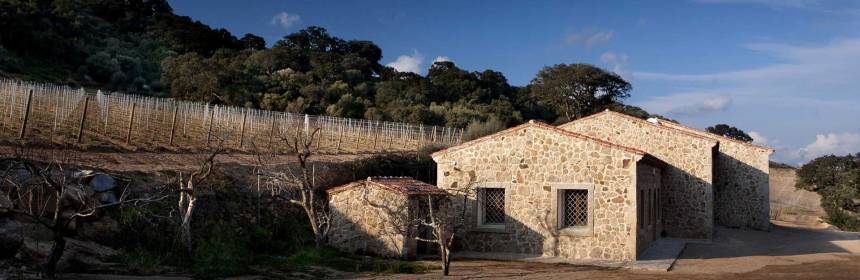
In Siddùra, in the valleys near the medieval village of Luogosanto, in the heart of Gallura, there is a slice of Sardinia that seduces the world with an infallible weapon: the quality of its wine.
A dream that soon became reality considering that the winery was born from the passion for Sardinia of the German impresario Nathan Gottesdiener and the Sardinian entrepreneur Massimo Ruggero, has conquered a place in the world ranking of the best wines. The company has made Sardinia a brand of purity, tradition, quality and innovation. Siddùra, which means saddle in Gallurese, from the shape of the hills on which the rows of vines climb, was born by collecting the legacy of an ancient wine production that already in the fifties of the last century bottled vermentino to sell on the nearby and flourishing market of La Maddalena. Thirty hectares of vineyards that give life to a collection of nine wines: the vermentini of Gallura Spèra, Maìa and Bèru, the rosé cannonau Nudo, the cannonau – DOC and Riserva – Èrema and Fòla, the Cagnulari Bàcco, the international Tìros and the passito Nuali.
The production philosophy is based on the belief that wine production begins in the vineyard, the wine being a true reflection of its terroir. “This line – comments Massimo Ruggero, managing director of the winery – influences all aspects of production: limited harvests to guarantee the highest quality, selective harvesting by hand, micro-vinification and aging in the best French oak barrels”. It is in this scenario that tradition and innovation are integrated.

Siddùra travels with the times, but above all with time, specifically the meteorological one. The wine of the future was born in the countryside of Luogosanto, thanks to the vision of this company that has been enabled to anticipate the times. The wine of the future, in fact, has to deal with the effects of global warming. Copious rains and sudden drought. Frosts and floods. Crazy temperature. In Siddùra was created a weather station, able to map and provide the climatic variations of the week on the field and in the fields. The sense of technology applied to human knowledge of the earth is to transform climate change into advantages, prevent the risks of plant disease and take advantage of a decision support system to deal with any limits. “Reaching innovative solutions before others – glosses Ruggero – is essential to maintain a quality level of their wines”. Speaking of quality, the wines of the Gallurese winery have received excellent reviews on the reference sites of world enology: James Suckling, Wine Enthusiast and Wine Advocate of Robert Parker.


.jpg "Image")

 This sponsorship and the end of the auction will be celebrated with an exclusive gala event taking place at the Peggy Guggenheim Collection in the spectacular Palazzo Venier dei Leoni, overlooking the Grand Canal in Venice.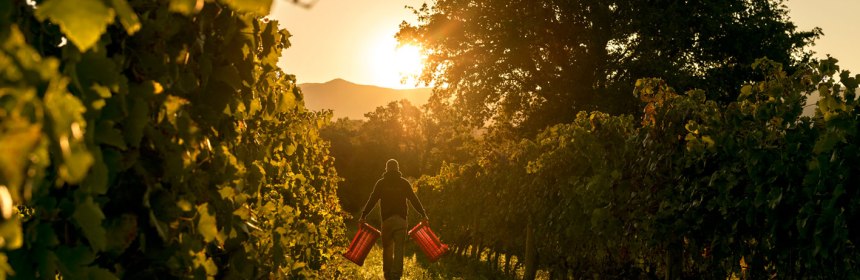



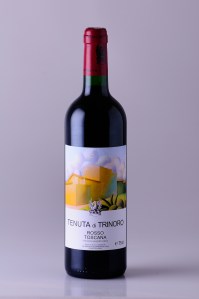 Tenuta di Trinoro 2017 is full-bodied with fine depth, “and dense-packed, silky tannins; the palate showcases well-ripened plum and blueberry, with wild herb and iron-like impressions,” explained Franchetti. Some years of bottle-ageing will allow it to achieve full expression and “to lose those slight vegetal notes that, of course, are classic to the two Cabernets.”

