Author Archives: brusselsdiplomatic

CANTINA VALPOLICELLA NEGRAR ANNOUNCES THE APPOINTMENT OF CHRISTIAN ZULIAN AS MANAGING DIRECTOR
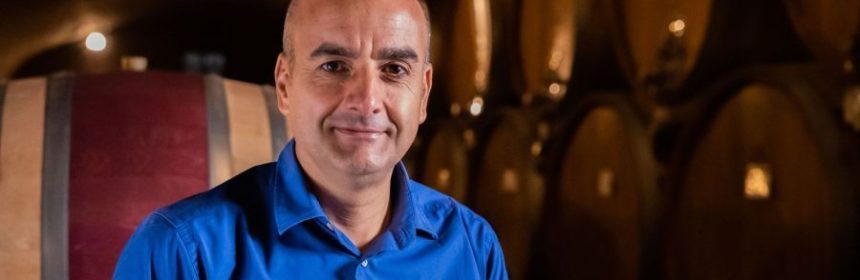
Cantina Valpolicella Negrar announces the appointment of Christian Zulian as Managing Director, who will also oversee the technical division. Supporting Zulian in the oenological area is Carlo Callari, appointed as Head of the Oenological Department.

“This appointment marks a strategic step for Cantina Valpolicella Negrar,” states President Giampaolo Brunelli. “Christian Zulian brings with him a strong technical vision and a deep understanding of the sector, developed in structured, quality driven environments. His experience will be essential in guiding the cooperative into a new phase of growth, strengthening organizational integration, territorial identity and market positioning.”

Throughout his career, Zulian has distinguished himself as a rigorous specialist dedicated to wines that express the authenticity of their place of origin, with a constant focus on stylistic consistency and on the quality recognized by the market.

“I take on this role with a strong sense of responsibility,” says Christian Zulian. “Wine will be at the center of my work. The goal is to fully enhance the extraordinary potential of Valpolicella, translating it into contemporary wines deeply rooted in the territory yet capable of engaging with international markets. Quality is not a final destination but a continuous process, shaped by technical rigour, listening to members and a shared vision.”

With this in mind, technical leadership is rooted in teamwork, with Zulian working in close synergy with Carlo Callari. Not two separate divisions, but a single integrated team, united by complementary expertise and a shared vision for winemaking.

“We will work together with a highly technical and results oriented approach,” says Zulian. “We share a common method, a deep understanding of the region and a meticulous attention to quality. Our aim is to create wines that express the identity of Valpolicella with ever greater precision, evolving styles and expressions without losing authenticity.”

Carlo Callari, an oenologist with more than twenty years of experience and an in depth understanding of the winery’s operations, comments: “I will contribute the experience gained over the years to ensure that every stage of the production cycle is managed with rigour and attention to detail. Ongoing dialogue and technical alignment will be essential to further raising quality standards and stylistic consistency.”

With these appointments, Cantina Valpolicella Negrar strengthens its technical and managerial structure, placing wine – in its sense of place and its ability to reflect the present – at the centre of its future strategy.

Short Biography – Christian Zulian

Born in Trento and now based in Verona, Christian Zulian has extensive experience in the wine sector and corporate management. He holds a degree in Agricultural Sciences from the University of Padua and enriched his academic background with specialist training in chemistry at the Department of Alcoholic Beverage Chemistry of the E. Mach Foundation in San Michele all’Adige. Over the course of his career, he has gained significant experience within wine companies, taking on roles of increasing responsibility and developing a deep understanding of corporate dynamics and the global wine industry.

Short Biography – Carlo Callari

Carlo Callari is an oenologist with a degree in Viticulture and Oenology and more than twenty years of experience in the wine sector. He built his professional career within the winery environment, overseeing the entire production cycle from vinification of fresh and dried grapes to the management of oenological and regulatory processes, gaining a solid understanding of operational and regulatory dynamics. After an extensive period at Cantina Valpolicella Negrar and further managerial roles within leading local companies, he now takes on the position of Head of Oenology, with the aim of enhancing internal expertise and strengthening quality, control and production sustainability.

CANTINA VALPOLICELLA NEGRAR

Founded in 1933 by seven winegrowers determined to protect their work during a challenging period, the Cantina has remained faithful to its mission: safeguarding the territory, enhancing its identity and preserving its excellence. Today it produces around ten percent of all Amarone Classico in the appellation, confirming its central role in the story of Valpolicella. Cantina Valpolicella Negrar is the living expression of a collective history which, from 1933 to the present day, is renewed daily through the commitment of 245 winegrowers and a governance capable of embracing change without losing its identity.

With more than 140 hectares of certified organic vineyards, an annual production exceeding eight million bottles and a presence in sixty two countries, Cantina Valpolicella Negrar is today one of the most respected and recognized names in the Italian wine landscape.
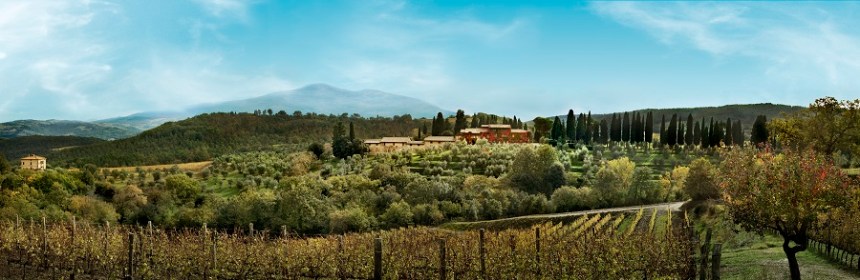
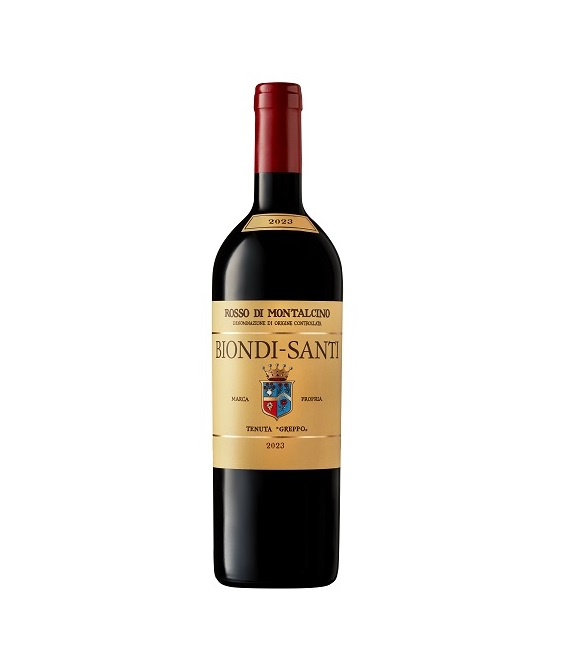
Biondi-Santi presents new vintages, La Storica 1983, and the 5° edition of La Voce di Biondi-Santi

For Biondi-Santi, generations are fundamental”, says Giampiero Bertolini, CEO of the estate since 2018. “From the founder Clemente, to whom we owe the name Brunello, to Ferruccio Biondi-Santi, who, at the end of the 19th century, began producing wine with a pioneering vision of quality and longevity. From Tancredi, to whom we owe the legendary Riserva 1955 and the preservation of the estate’s historic cellar vault, to Dr Franco, the “gentleman of Brunello”, who introduced innovative winemaking techniques and carried out one of the earliest clonal selections of Sangiovese, naming the clone BBS11: Brunello Biondi-Santi 11. These generations have built and handed down enduring values that today allow us to look to the future with confidence, firmly rooted in our history”.

This progression and this consistency are reflected in the character of Biondi-Santi wines: in their freshness, in the iconic vineyards and in the distinctive practices that define daily work in the vineyard and in the cellar at Il Greppo. It is a transmission of knowledge and sensitivity that flows through time, renewing and strengthening itself with each passing generation.

“This is why we chose the word ‘Generations’ for the fifth edition of La Voce di Biondi-Santi,” continues Giampiero Bertolini. “And it is why we feel a responsibility to pass our passion to younger generations.”

In 2026, the estate’s cultural project draws on the talents of the Holden School of Writing in Turin, whose students were invited to interpret the emotion of Tenuta Greppo through the language of literature and the medium of voice. A gesture of contemporary patronage that has given life to five stories in the estate’s “virtual literary salon”, now available through the La Voce di Biondi-Santi podcast.

THE NEW VINTAGES

For Federico Radi, Technical Director of the estate, the word ‘Generations’ also evokes a concept deeply rooted in nature: “It suggests renewal and serves as a bridge across differences, because every generation, like every vintage, is unique”, he explains.

“What remains central at Biondi-Santi is stylistic and qualitative continuity: we aim to infuse into the wine the story of the vintage together with that of the estate. The ongoing massal selection allows us to preserve the DNA of Biondi-Santi, preserving the genetic heritage from which it all began”.  

  • Rosso di Montalcino is the gateway to the world of Biondi-Santi. A youthful Sangiovese, of great charm, conveys the full emotion of the estate. The 2023 growing year presented significant agronomic challenges, marked by notable temperature fluctuations and irregular rainfall. Nevertheless, it has given rise to an authentic and refined Rosso, expressing Sangiovese di Montalcino with immediacy and style, without sacrificing depth and identity.
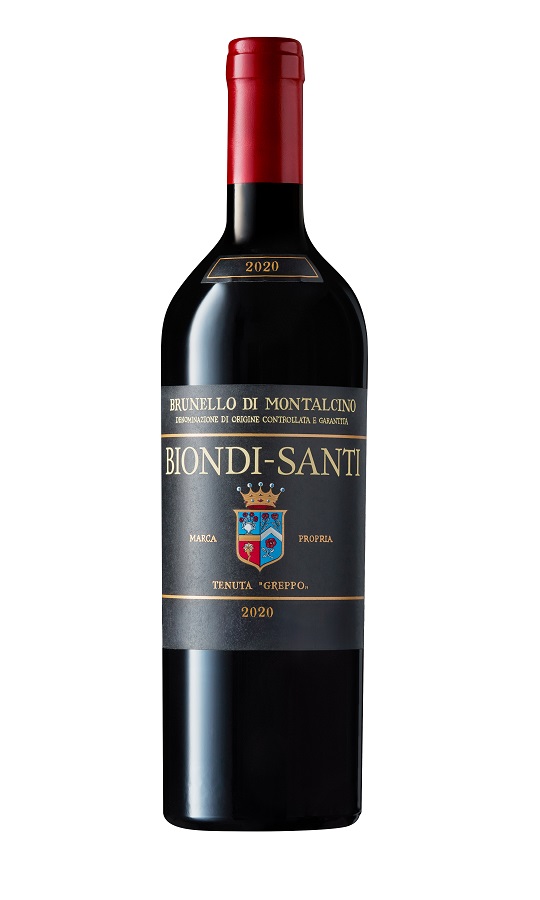
  • Brunello di Montalcino 2020 is an impressive classic, revealing its finesse from the very first sip. It comes from a bright, sunny growing season with grapes of exceptional quality.

The year began with a mild winter and a cool spring, characterised by significant diurnal temperature variations and even a snowfall. After a rainy June, which ensured good groundwater reserves, the summer was hot and dry. Consistent day-night ranges supported the vines’ natural balance and contributed to the development of an intense, well-defined aromatic profile. Refreshing rainfall at the end of August led to perfect ripening in time for the harvest, which began on 9 September.

On the palate, one perceives the elegance of the tannins and acidity: two elements that merge seamlessly, allowing the wine to unfold gracefully and linger. It is a contemplative wine” concludes Federico Radi “one that reveals itself over time.”

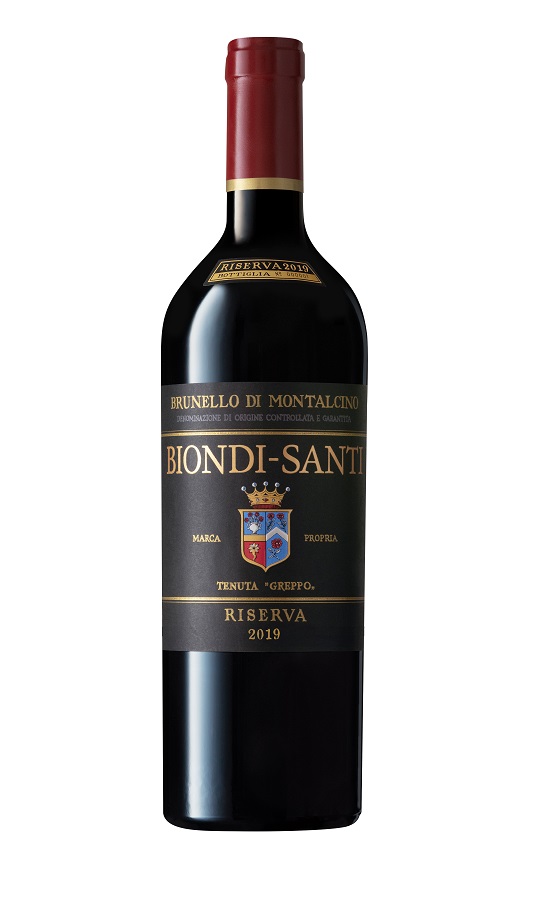
  • Brunello di Montalcino Riserva 2019, the 44° edition, is a profound wine born under the sign of great expectations. Not only because it is a Biondi-Santi Riserva, but also – as the Technical Director emphasises – “because it is the result of one of the finest growing years I have witnessed in my career: everything went exceptionally well. Well-distributed rainfall, balanced heat, perfect grapes. The wine embodies this harmony.” The harvest began on 14 September.

On the palate, the Riserva 2019 is precise and vibrant. Lively freshness accompanies very fine, perfectly integrated tannins. The structure is refined, never excessive, and the finish, long, pure and coherent, speaks of territory and time.

THE RELEASE OF ‘LA STORICA’ 1983

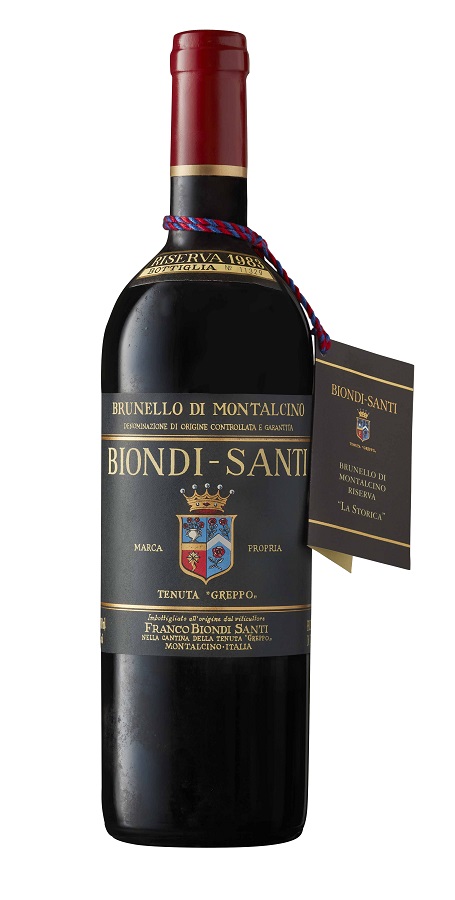
Every year, Biondi-Santi selects a Riserva from La Storica and releases it in extremely limited quantities. Brunello di Montalcino Riserva La Storica 1983 is a wine of extraordinary complexity, with silky tannins leading into a long, savoury and harmonious finish of great elegance and length. It demonstrates Biondi-Santi’s unique ability to age gracefully, offering today a profound, understated and authentic expression of what a historic Brunello represents.

LA VOCE DI BIONDI SANTI

La Voce di Biondi-Santi was first launched in 2022 as a cultural project that, each year, revolves around a keyword interpreting and narrating the Biondi-Santi universe. The chosen word becomes the guiding thread of a dialogue that takes wine lovers behind the scenes, through the voices of Giampiero Bertolini and Federico Radi.

Within the same virtual space, enthusiasts can also discover contributions from key opinion leaders in the sector. In addition, each year the keyword inspires original literary works by Italian and international authors, presented in audiobook format.

The words chosen in previous editions were: Balance (2022), Wonder (2023), Respect (2024) and Elegance (2025).

For 2026, the word is Generations, and the literary partner is the Holden School in Turin. Five students were invited to the estate to experience Tenuta Greppo and create five original and evocative stories.

All La Voce di Biondi-Santi content is available at biondisanti.it and collected in a dedicated WebApp, accessible via the special QR codes on the neck labels of the Brunello di Montalcino and Brunello di Montalcino Riserva bottles.

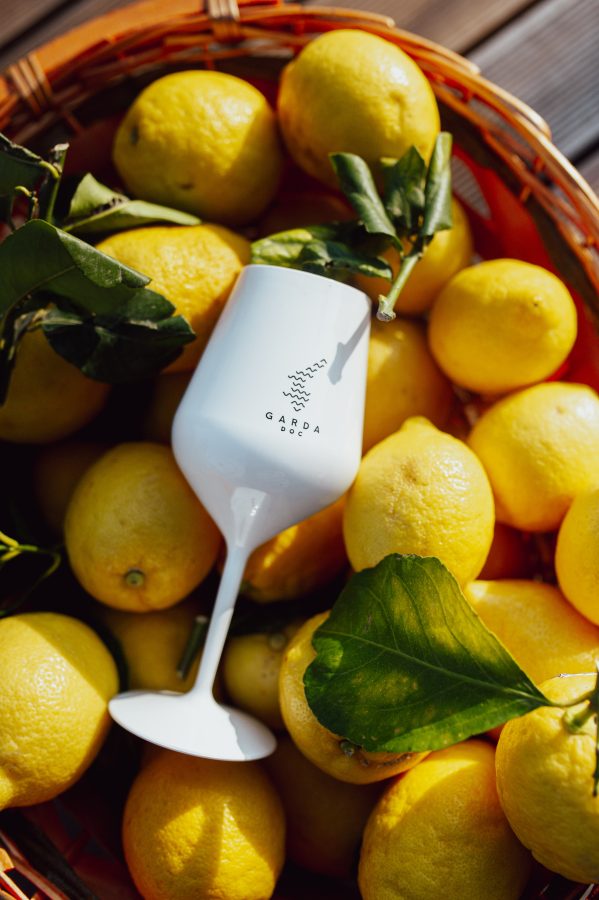
AT PROWEIN 2026 THE GARDA DOC CONSORTIUM PRESENTS THE NEW PRODUCTION PROTOCOL

For the first time with a dedicated consortium stand, expressing a path of growth and a renewed strategic vision

Expectations are rising for the participation of the Garda DOC Consortium in the thirty‑first edition of ProWein, one of the most prestigious international fairs in the wine sector, scheduled at Messe Düsseldorf from 15 to 17 March and ready to welcome over 90,000 visitors from all over the world.

“Taking part in this edition of ProWein represents a very important milestone for our appellation and for all the producers we represent. We are talking about one of the most significant events in the world of wine, and being here as a Consortium – created to protect, promote and enhance the excellence of our territory also in international contexts – is a source of great pride. It is a strong signal: the appellation is present and intends to be a protagonist,” states Paolo Fiorini, President of the Consortium, highlighting the strategic importance of this choice at a time when interest is growing in low‑alcohol products without giving up flavour and the connection with the territory.

For the first time, the Consortium will be present with its own institutional stand (Hall 3 – Stand D16), a choice that marks a strategic step in the international positioning of the appellation. A debut that takes on even greater significance in light of the historic and solid bond between Lake Garda and the German market: always among the main commercial and tourism counterparts of the territory, today also a key partner in the development of the DOC.

In Düsseldorf the Consortium will present an important new development: the Garda DOC appellation – the first Italian DOC to include low‑alcohol wines – will offer a selection of labels with an alcohol content around 9% vol., produced by some member wineries and close to their official introduction on the market.

“ProWein 2026 will dedicate even more space to producers of innovative wines, including no‑alcohol or low‑alcohol ones. A choice that reflects current consumption trends, aimed not only at younger consumers,” continues Fiorini. “It is a trend that probably represents something more: for this reason, some wineries of our appellation began investing in this direction several years ago. Thanks to this path, today we are the first Italian DOC to offer wines on the market with an alcohol content around 9% vol., which stand alongside the traditional types that have always characterised our territory. A choice that confirms our vision: offering products capable of responding to new needs without giving up flavour integrity, expressive depth and respect for territorial identity.”

Participation in ProWein therefore looks not only to sector operators but also to consumers, with the aim of presenting the Garda territory – already known for its high production quality – as a reference point and a possible alternative for those wishing to explore wines of this type while maintaining a connection with their place of origin.

The Garda DOC Consortium thus continues its path of enhancing its member wineries, strengthened by innovative projects. A commitment that fits into a start of 2026 marked by solid and structured growth, particularly significant in a very dynamic general context, and which confirms the ability of the Garda DOC to respond effectively to market dynamics, as also demonstrated by the closing data for 2025, with total bottlings reaching 175,352 hectolitres, equal to over 23.3 million 0.75‑litre bottles, with year‑on‑year growth of +20%.

CONSORZIO GARDA DOC

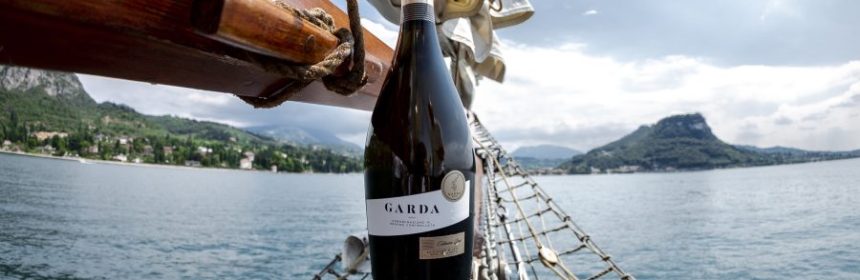
A hilly territory of unique landscape features, straddling Lombardy and Veneto, protected by mountains and overlooking Italy’s largest lake: here, among the provinces of Brescia, Mantua, and Verona, lies the Garda DOC, a winegrowing area where special climatic conditions have over time shaped the qualities of the grape varieties that thrive here — and continue to define their distinctiveness today. First recognized in 1996 with the aim of enhancing varietal wines produced in the ten historic winemaking zones of the Lake Garda area, the Garda DOC is a denomination driven by a strong spirit of innovation, capable of evolving over the years to meet consumer needs while honoring a product with ancient roots.

Having obtained ministerial recognition in 2015 and operating erga omnes since 2016, the Garda DOC Consortium today represents 250 producers, giving voice to and promoting one of Italy’s most valuable food and wine excellences.

GARDA DOC CONSORTIUM: LOW ALCOHOL AND CRÉMANT, APPROVED CHANGES TO THE PRODUCTION REGULATIONS

New types and production updates for an evolving designation

The amendments to the Garda DOC wine production regulations have been approved. The ministerial decree of September 24th, 2025, published in the Official Gazette of the Italian Republic – General Series No. 234 on October 8th, 2025 – introduces significant innovations designed to strengthen the appellation’s competitiveness and relevance, balancing production evolution with respect for the traditions of a territory with a millennia-old winemaking vocation.

“This revision of the production regulations” – comments Paolo Fiorini, President of the Garda DOC Consortium – “represents a strategic step for our appellation and for the producers who are part of it. It is the result of a constructive dialogue with the Ministry and industry professionals, aimed at concretely responding to the new needs of the market and consumers, who today are increasingly attentive to wines that are distinctive, versatile, and contemporary. It is a step forward that strengthens the identity of Garda DOC and expands its production and commercial potential, while maintaining quality and the bond with the territory as its guiding principles.”

The President also highlights the Consortium’s role in promoting and protecting an appellation that extends across Lombardy and Veneto, in a hilly area of extraordinary beauty, sheltered by the mountains and overlooking Lake Garda. “Across the provinces of Brescia, Mantua, and Verona,” Fiorini continues, “grapes have been cultivated for centuries, telling the story and identity of this land. Today, the Consortium represents 250 producers, working in a spirit of collaboration that allows Garda DOC wines to best express the richness and diversity of the Lake Garda area.”

The updated production regulations introduce new categories and significant technical revisions. The appellation now includes Garda Müller Thurgau, in still, semi-sparkling, and sparkling versions, as well as Garda Rebo in the still wine category. For the sparkling and semi-sparkling types, new grape variety designations — “Garganega” and “Chardonnay” — have also been added.

Garganega, the main native white grape variety of the Garda DOC, widely used in the production of numerous white and sparkling wines, as well as in bi-varietal blends such as Garganega-Chardonnay and Garganega-Pinot Grigio, has in recent years been the focus of extensive agronomic experimentation. Starting with the 2025 harvest, it may also be marketed in a “low alcohol” version, with an alcohol content of 9% vol. — making it the first Italian DOC dedicated to a still, low-alcohol wine, marking an important innovative milestone in the national wine scene.

For the rosé sparkling and semi-sparkling versions, the designation “Corvina” also makes its debut, further enriching the denomination’s profile by highlighting one of the most representative native varieties of the Lake Garda area. This recognition confirms the Consortium’s growing focus on local grapes and its commitment to offering wines that embody authenticity, identity, and a strong sense of origin.

Among the innovations, the introduction of Pinot Grigio Ramato Rosato stands out — a variety that enhances one of Northern Italy’s emblematic grapes, offering a contemporary interpretation aligned with today’s preference for fresh, elegant wines with a strong personality.

Also noteworthy is the introduction of the term “Cremant” for the sparkling wine category, bringing Garda’s production closer to international quality standards and the most prestigious European sparkling wine traditions.

The amendments also provide for the extension of the production area to include part of the municipality of Castenedolo, in the province of Brescia, and authorize the use of all containers permitted under European regulations for the packaging of Garda DOC wines.

“Our mission,” concludes Fiorini, “is clear: to give voice to a unique territory that has managed to combine winemaking tradition with a modern, international vision. The update to the production regulations is a fundamental step in this journey, as it allows us to further enhance the distinctive qualities of the native and international varieties that coexist in this area, offering consumers a coherent, recognizable tasting experience deeply connected to Lake Garda.”

All the amendments will already be applicable starting with the current harvest, corresponding to the 2025/2026 winegrowing season, marking a new chapter in the appellation’s growth journey.

With these amendments, the Garda DOC Consortium renews its commitment to promoting quality, sustainability, and territorial identity, telling the story of a land that looks to the future without losing its connection to its roots.

CONSORZIO DOC SICILIA: STRONG GROWTH IN ASIAN MARKETS IN 2025, A RECOVERING HARVEST AND NEW STRATEGIES FOR 2026

The year 2025 closes on a highly positive note for the Consorzio di Tutela Vini DOC Sicilia, reaffirming the denomination’s role as a key player on both the Italian and international wine scenes. The past year was marked by an intense commitment to the promotion and enhancement of native grape varieties, alongside an ever-stronger focus on biodiversity and the rediscovery of Sicily’s historic cultivars an invaluable heritage that reflects the island’s deep-rooted identity.

“After two challenging vintages, the 2025 harvest marked a return to more balanced production levels, with around 3 million hectolitres produced across 97,000 hectares of vineyards. This result once again confirms Sicily as one of Italy’s leading wine regions and highlights its ability to successfully combine biodiversity and sustainability,” said Camillo Pugliesi, Director of the Consortium. “International markets showed mixed dynamics in 2025: the United States remained broadly stable despite a more complex trade environment, while Asian markets recorded growing interest in Sicilian wines. Against this backdrop, the Consorzio DOC Sicilia strengthened its presence through targeted promotion and communication initiatives.”

In 2025, market demand increasingly favoured white wines, with Grillo and Lucido (Catarratto) taking centre stage. This trend underscores the denomination’s ability to interpret and anticipate global consumption patterns. With approximately 29,000 hectares under vine, Lucido is the most widely planted white grape variety in Sicily. Its remarkable versatility and significant intra-varietal diversity allow it to express itself with consistency and typicity in coastal areas as well as in hilly and mountainous zones.

This versatility creates significant opportunities, ranging from vibrant, ready-to-enjoy white wines to more complex styles designed for ageing, as well as premium sparkling wine bases, an approach recently showcased through the “Vista Lucido” project. At the same time, research continued the island’s more than 70 native grape varieties. Micro-vinification trials carried out in 2025 identified at least seven to eight particularly promising biotypes, which could further enrich Sicily’s already diverse wine landscape.

Looking ahead to 2026, the Consortium will launch new communication and promotional initiatives for DOC Sicilia, with one of the key highlights taking place at Vinitaly. In addition to participating in major international wine fairs, the programme will include a series of events aimed not only at trade professionals but also at consumers. These initiatives are designed to showcase Sicily as a true wine continent, through experiences that bring together terroir, culture and winemaking style.

Today, the Consortium represents more than 7,000 winegrowers and around 500 bottlers, safeguarding a production of over 80 million bottles that reflects the richness of a viticultural mosaic spread across the entire island. This cohesive system has played a crucial role in strengthening the global reputation of Sicilian wines, positioning them as a contemporary expression of a land with a millennia-old history.

Tenute Tomasella: the strength of the soil in the soul of the products

A unique soil heritage for sustainable, elegant and recognisable viticulture,

In an area where the soil mosaic reaches levels of rare complexity, Tenute Tomasella has made knowledge of its terroir a real mission. For this reason, it has collaborated with Diego Tomasi, a researcher at CREA-VE, in a study aimed at analysing and understanding the diversity of the soils in which its vines are rooted. The objective is clear: to develop resilient and adaptable viticulture, capable of responding effectively to climate change without forcing nature, but accompanying it with respect.

At the heart of the estate, which covers around 50 hectares, there is a surprising geological variety. Soils formed as a result of flooding from the Livenza river, influenced over time by deposits from other rivers and the foothills of the Prealps, create a veritable puzzle of soils: silty, clayey and calcareous soils alternate even within a few hundred metres. This rare richness gives the grapes unique and different characteristics, contributing to the complexity and elegance of the wines produced.

In the Veneto region, the soils are ‘warm’, light in colour, with a fine or medium texture, lacking in skeleton but rich in limestone and organic matter. These conditions favour excellent root exploration, the absence of waterlogging and an ideal mineral balance (potassium and magnesium in particular), elements that give white grapes intense aromatic profiles and red grapes soft tannins and great structure.

On the other hand, in the Friuli DOC, the vineyards lie on the high Friulian plain, between the Meduna and Livenza rivers, in the central-western part of the Grave. Here, the alluvial soils, with a coarser texture, are characterised by an abundance of dolomitic limestone, known locally as caranto. It is this substrate that gives the white wines their freshness and floral fragrance, while the red wines are fragrant, structured and capable of evolving nobly over time.

“You cannot ask more of a vine than it can give” is the principle that guides Tenute Tomasella in every agronomic and oenological choice. A conscious, patient approach to viticulture that originates from the earth and returns to the earth, fully respecting its rhythm. A philosophy that translates into authentic wines, capable of overcoming geographical barriers and speaking a universal language of elegance, harmony and terroir.

Combining scientific research, a passion for wine and a deep respect for nature, Tenute Tomasella demonstrates that the true future of wine is cultivated today, starting with the soil. Furthermore, in 2021, the company began the process of converting to organic farming, a path consistent with this vision, which will lead to the complete conversion of all its vineyards by the 2025 harvest.

GARDA DOC CONSORTIUM OPENS 2026

The Garda DOC Consortium opens 2026 with production figures confirming a solid and well-structured growth trend. In 2025, total bottlings reached 175,352 hectolitres, equivalent to more than 23.3 million 0.75-litre bottles, marking a +20% year-on-year increase. These figures are even more significant against a backdrop of a general slowdown in the wine sector and further confirm the ability of the Garda DOC appellation to respond effectively to market dynamics.

The 2025 production data clearly confirm the soundness of the path taken by the Garda DOC Consortium in recent years,” stated Paolo Fiorini, President of the Garda DOC Consortium.The strategic choices we are making—from updating the production regulations to increasingly market-focused management—are delivering concrete, measurable results. At a time of widespread difficulty for the wine industry, this growth shows how Garda DOC is now a contemporary denomination, capable of interpreting the needs of consumers and international markets. Export plays a central role, with particularly strong performances in key markets such as the United Kingdom and Germany, where Garda DOC wines are consolidating their presence thanks to a recognizable, reliable style aligned with new consumption trends. It is a DOC that looks to the future without losing its connection to the territory, enhancing quality, typicity and production flexibility.

Supporting the overall increase are also the performances of several key categories, in particular Pinot Grigio and Garda Bianco.

This strong start to the year further strengthens the positioning of Garda DOC as a modern, versatile denomination, capable of facing sector challenges with a coherent, future-oriented strategy. 

CONSORZIO GARDA DOC

A hilly territory of unique landscape features, straddling Lombardy and Veneto, protected by mountains and overlooking Italy’s largest lake: here, among the provinces of Brescia, Mantua, and Verona, lies the Garda DOC, a winegrowing area where special climatic conditions have over time shaped the qualities of the grape varieties that thrive here — and continue to define their distinctiveness today. First recognized in 1996 with the aim of enhancing varietal wines produced in the ten historic winemaking zones of the Lake Garda area, the Garda DOC is a denomination driven by a strong spirit of innovation, capable of evolving over the years to meet consumer needs while honoring a product with ancient roots.

Having obtained ministerial recognition in 2015 and operating erga omnes since 2016, the Garda DOC Consortium today represents 250 producers, giving voice to and promoting one of Italy’s most valuable food and wine excellences.

Tenuta Stella: a jewel in the Collio

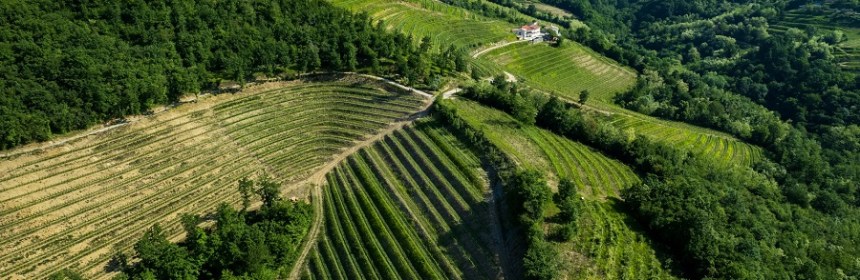
Tenuta Stella is located in Collio, an extraordinary area for viticulture. It is situated in the highest part of Collio, on a hill offering spectacular views not only of the terraced vineyards, but of the whole of Friuli. Beyond the tops of the rows of vines, the eye is lost in the horizon and on clear days you can even see the sea from here.

As stated in the estate’s philosophy: “We are not only wine producers but cultivators of life in this territory of unique native vines, capable of expressing fascinating and never predictable wines that excite you every time you taste them.”

We tasted:

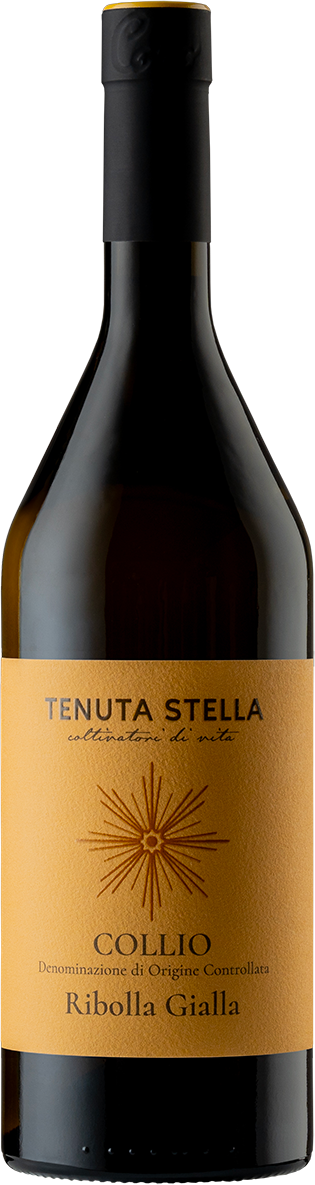
Ribolla Gialla 2023 DOC Collio

It is a golden yellow wine with brilliant reflections. The nose reveals delicate floral notes, apple and peach, ending with spicy hints of vanilla, liquorice and saffron. On the palate, the acidity is noticeable with a distinct sensation of freshness and tartness typical of this grape variety, ending with a dry and clean finish. It is certainly a wine with structure and great personality, like this borderland.

At the table, it is excellent served with first courses or grilled fish, shellfish and cold cuts. It is also ideal with mature cheeses, preferably goat’s milk. Finally, it is excellent with legume soups in both winter and summer.


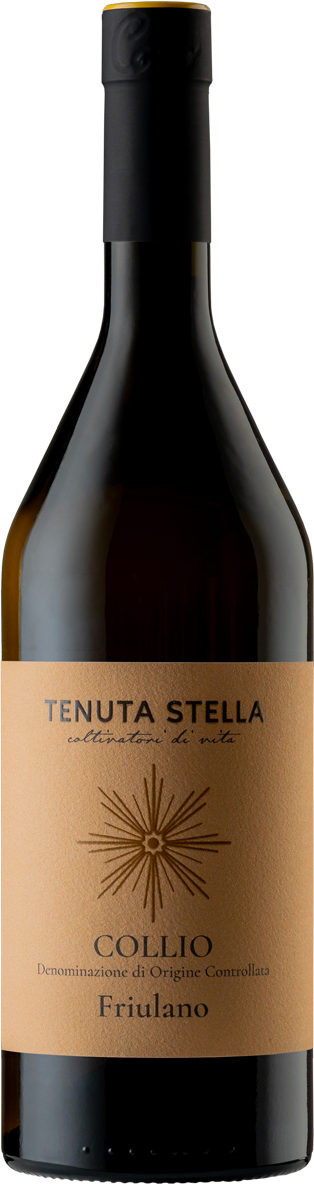
Friulano 2023 DOC Collio

Produced with Tocai Friulano grapes, it has a straw yellow colour with golden reflections. The aromas are floral and fruity with a hint of citrus. On the palate, it is structured, fresh and persistent, delicate and savoury.

It is an ideal wine for both aperitifs and meals. It pairs well with raw fish appetisers, fried fish and steamed fish. It is also excellent with ham and fresh cheeses.


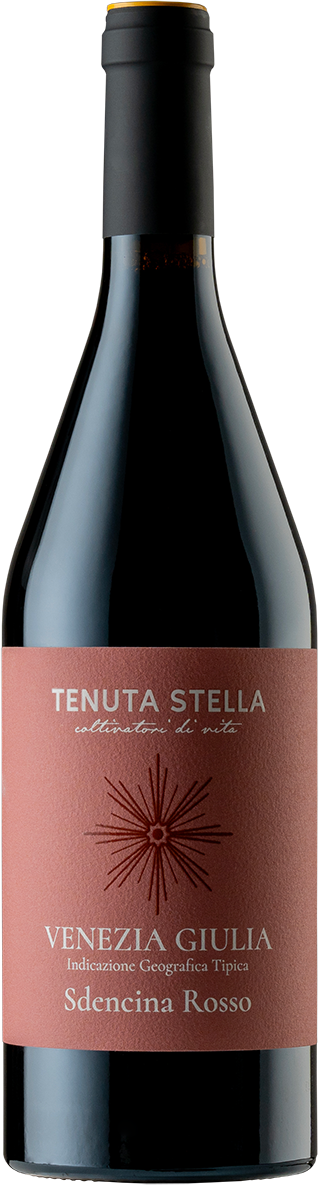
Sdencina Rosso 2021 IGT Venezia Giulia


Produced with Pignolo, Tazzelenghe, Merlot, Refosco dal Peduncolo Rosso and Schioppettino grapes, fermented spontaneously.

This wine has a bright, intense ruby red colour. The bouquet is rich in fruity notes, red fruits, undergrowth and cherry, and spices. On the palate, it is characterised by good body and structure, with significant tannins. A red wine with character.

Ideal with red meat dishes, such as sliced or roasted meat, it also goes well with game and a simple platter of cold cuts. Throughout the meal, it can also be paired with particularly flavourful dishes such as pappardelle with duck ragù or mushroom soup.

“La Corte” 2021

A Gran Selezione with roots in the past

Some stories begin beforehand: before rules, before names, before maps.

This is the case with Castello di Querceto, which since 1897 has continued to narrate in depth its unique terroir, doing so through wines that, over time, have evolved while at the same time remaining true to themselves.

This is the case too with La Corte, today a proud Gran Selezione, but already a cru by the early 1900s. The first recorded vinifications date back to the late 19th century, and the historic cellar still treasures a bottle from 1904 (!).

“The first to understand the value of the La Corte vineyard was my grandfather,” says Alessandro François, who, together with his son Simone, today helms the family winery rising in the hills of Dudda in Chianti. “The surprising thing is that from the very beginning, La Corte has always been a pure Sangiovese,” he continues, “a very early precursor of contemporary winemaking practices.”

La Corte is a 3.4-hectare vineyard lying on the hill opposite the Castle, approximately 450 meters above sea level. The vines, which have been gradually replanted over the years, face south/southwest, soaking up the sun’s rays until the very last moment of sunset.

All around are forests of holm oaks and chestnut trees, typical of the area, and this environment, combined with the altitude and exposure, contributes to creating an ideal microclimate for this parcel.

Finally, the soils. Motivated by their initial insight, the fruit of long vineyard experience, the François family carefully analysed the soils of La Corte in the 1970s and realised that they are a unique mix of sand and magnesium.

Thanks in part to this scientific revelation, in 1978 Alessandro François decided to upgrade La Corte’s Sangiovese as a cru, making it one of the standard-bearers of his winery.

Natural elegance, freshness, and a distinctive aromatic finesse have always marked this great Tuscan wine, which first rose from a Vino da Tavola to IGT Colli della Toscana Centrale. Then, the Gran Selezione designation was created, and since 2017 the wine has become one of its most authentic representatives.

The 2021 vintage now arriving on the market (slowly, in keeping with Castello di Querceto’s tradition) tells the story of a year of contrasts transformed into harmony. A cool, rainy spring gave way to a bright, even summer, while some September rains cooled the air, encouraging perfect ripeness in the fruit. The harvest took place on 14 October 2021.

“It was an intense and somewhat delayed harvest, but it gifted us wines of extraordinary complexity,” explains Simone François. “We are very pleased with how we succeeded in preserving the character of La Corte’s Sangiovese.”

After fermentation and maceration in temperature-controlled stainless steel for approximately two weeks, the wine matured in Tronçais and Allier barriques and tonneaux for 12 months and then rested in bottle until release.

La Corte 2021 was produced in a limited edition of 14,500 bottles and is available in Italy and major markets worldwide.

Time, Patience, and the 2019 Vintage:Mosnel’s Dual Expression of Elegance

At Mosnel, time dictates the rhythm, guiding every stage of the process, both in the vineyard and in the cellar. Each action is carried out without haste, driven by the desire to fully express the potential of each vineyard and to craft wines that stand out for their character, personality, and elegance.

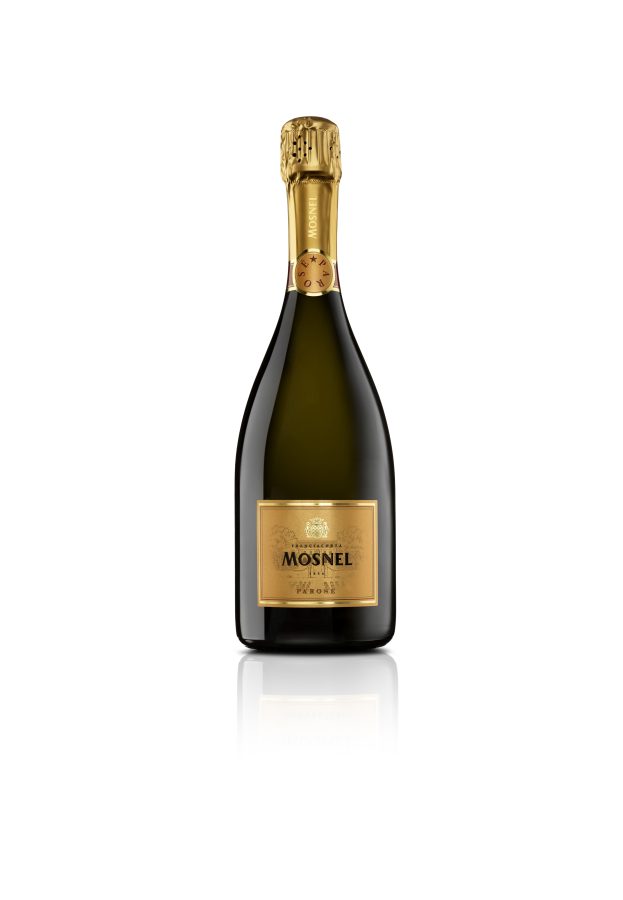
Six years after the harvest, and following more than 48 months of ageing on the lees with refermentation in the bottle, two of the estate’s most emblematic labels now reveal their full potential: Franciacorta EBB Extra Brut and Franciacorta Parosé Pas Dosé.

These iconic metodo classico sparkling wines epitomize the Mosnel style: a synthesis of patience, expertise, and an unwavering pursuit of excellence.

The two wines are the product of a non-linear vintage. A rainy, cool spring gave way to a hot, dry summer, leading to water stress, slower ripening, and a delayed harvest. The 2019 harvest began in the third week of August, later than usual, and continued for fifteen days, yielding healthy grapes with fine structure and a remarkable aromatic profile.

The Franciacorta EBB 2019 displays exceptional elegance and precision, with subtle yet persistent concentration and pronounced verticality. Produced exclusively from Chardonnay, only the finest clusters are selected. Primary fermentation takes place in small oak barrels, followed by blending and bottling with liqueur de tirage after five months, marking the beginning of the long secondary fermentation that culminates in disgorgement and an Extra Brut dosage.

The Franciacorta Parosé 2019, crafted from Pinot Nero and Chardonnay, undergoes a similar vinification process, with the sole distinction of being Pas Dosé at disgorgement. Its luminous pink hue derives from a brief maceration on the Pinot Nero skins. The wine is defined by balance and precision, with a delicate saline note that enhances both its persistence and complexity.

« Older Entries