Author Archives: VinoeStile

Super Tuscan, Bolgheri reds shine in summer 2016

July 20th, 2016

Castello di Bossi
Corbaia

TOSCANA IGT

2013

Elegant and silky for the vintage with blueberry and black pepper aromas and flavors. Medium body, firm tannins and a pretty finish. Delicious blend of sangiovese and cabernet sauvignon. Drink or hold.

93/100


Renieri
Regina di Renieri

TOSCANA IGT

2013

The palate here shows dark fruits with hot dusty stones and hints of dried meat. Not an obvious expression of syrah. Full with a wonderful juicy intensity that follows through to the finish. Drink now. Why wait?

94/100


Tenuta di Renieri
Grido

TOSCANA IGT

2011

This shows a dusty texture with chocolate powder and dried cherry aromas. Medium to full body, silky tannins and a fresh finish. Shows tension and beauty. Beautiful merlot. One of the best yet from here. Drink or hold.

93/100


Tenuta di Renieri
Mega

TOSCANA IGT

2011

Plenty of bay leaf with licorice, leather and dried flowers. Full yet linear with licorice-like flavors and a persistent dry fruit finish. Drink now.

93/100


Renieri
Re di Renieri

TOSCANA IGT

2013

A Bordeaux blend with aromas of plums, dark currants with hits of licorice and leather. The palate is full and juicy with polished tannins and a persistent walnut-like finish. A blend of merlot, cabernet sauvignon, cabernet franc and petit verdot. Better in a year or two but already delicious.

93/100


Renieri
Invetro

TOSCANA IGT

2013

This shows aromas of ripe plums with dark licorice. More fresh and straightforward with plenty of juicy and delicious fruit and a wonderful clean finish. Drink now.

91/100


Terre di Talamo
Per Cecco

TOSCANA IGT

2012

This is rich and very silky with a pretty density and ripeness. Lots of blueberry and cherry character. Medium to full body, fine tannins and a flavorful finish. Hints of new wood. Hard to resist. Petit verdot. Drink or hold.

93/100

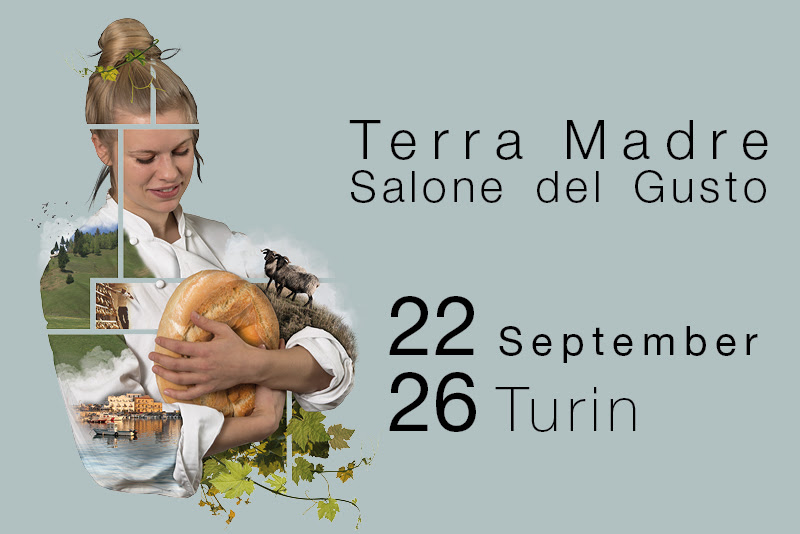
On the streets, under the arcades, in the museums. Terra Madre Salone del Gusto spreads around the city.

unnamedThe program of Terra Madre Salone del Gusto, to be held from September 22 to 26 in Turin (Italy), is being enriched daily with new initiatives, which will invade the streets, squares and museums of the city, bringing together residents, tourists, Slow Food activists and delegates from 160 countries around the world.

Here are some examples of how the event will spread around the city

Via del Gelato (Ice Cream Street)

Via Po, with its arcades and old historic cafes, will turn into the Via del Gelato (Ice Cream Street) hosting tastings, meetings with producers, show-cookings and a large laboratory – inside Alberto Marchetti’s ice cream shop – where workshops, guided visits and conferences will be held.

The Compagnia Gelatieri, a project of Alberto Marchetti, Andrea Soban and Paolo Brunelli, will bring together more than twenty artisans from all over Italy – the custodians of the very best traditional Italian ice cream – who will present the biodiversity of ice cream.

First we’ll discover the cultivars of the ingredients, because each variety has a particular flavor and fragrance. Visitors will taste ice creams made with different varieties of the same product, for example Amalfi lemons and Syracuse lemons, Tonda Gentile Piedmont hazelnuts IGP and the Roman Giffoni hazelnut IGP. We’ll also focus on the search for particular raw materials, including a selection of flavors made with Slow Food Presidia products: Chontalpa cacao, Bronte pistachio, Bronda Valley ramassin, Tortona strawberry, Roccaverano robiola, Farina bóna and many others.

Among the guests of Compagnia Gelatieri at Terra Madre Salone del Gusto, there will be gelatieri Zoldani (famous ice cream makers in the Zoldo valley, Belluno) who will produce Zoldan cream live before our eyes, using hand-held machines and methods of the nineteenth century, cooled with ice and salt. To find the complete list of exhibitors present in the Via del Gelato click here.

Part of the proceeds from the sale of the ice cream will be donated to the Slow Food Foundation for Biodiversity.

In the Via del Gelato there will also be an area dedicated to the tasting of Slow Food Presidia coffees.

The power of art and photography to preserve biodiversity

At the Castello di Rivoli, seat of the Museum of Contemporary Art, Amar Kanwar, Indian artist and filmmaker from New Delhi, will present along with Carolyn Christov-Bakargiev, director of the GAM (Gallery of Modern and Contemporary Art) in Turin and of the Castello di Rivoli, The Scene of Crime, part of his multimedia project The Sovereign Forest, which  documents the impact of land grabbing in the Indian state of Odisha. The film tells of places, once belonged to the farmers and destined for the cultivation of indigenous rice, now the subject of interest from major multinational companies, and documents the social conflict between those who want to maintain biodiversity and those who promote GMO crops. During the evening, Christov-Bagarkiev and Kanwar will be joined by a chef well known for his ability to create a direct relationship between food and art, Davide Scabin of Combal.Zero in Rivoli. As well as talking about the importance of safeguarding environmental biodiversity, Scabin will also be serving two dishes made using ancient rice varieties.

As well as presenting The Scene of Crime at Terra Madre Salone del Gusto, Christov-Bagarkiev and Kanwar will also be participating in the conference Our Relationship with the Earth Through Contemporary Art, showing how art can convey a message of responsibility and exploring its potential for representing the geopolitical transformations that affect the environment and the landscape.

In the courtyard of the Egyptian Museum there will be a photo exhibition dedicated to the immense gastronomic heritage of ancient and contemporary Egypt. The exhibition, From Sinai Wormwood to Meraharah Bread: The Ark of Taste in Egypt, is a collection of photographs taken by Ahmed Elabd, a photographer from Ma7sool Production, a small company started by a group of young Egyptians that uses various media to document food production and agricultural and artisanal traditions in their country. An anthropologist, a journalist, a cheesemaker, a bread baker and an agronomist also contributed to the project, uniting their strengths and skills to select and photograph the foods that showcase the richness of Egyptian biodiversity, reflected in the many products nominated by Slow Food Cairo that have already boarded the Ark of Taste.

As part of the collaboration between the Egyptian Museum and Slow Food, a conference will be held at Carignano Theater, on September 26, Food and Agriculture in Egypt, Yesterday and Today, which will see the participation of the director of the Egyptian Museum Christian Greco and the Egyptian sociologist Malak Rouchdy.

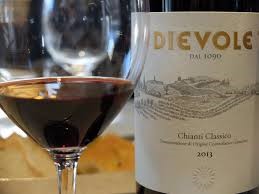
DIEVOLE OF #TUSCANY

dasThe root of the name “Dievole” dates back from centuries in 1090, traces are mentioned in earliest documents and mean in medieval Latin “Dio vuole” (God willing)…

Tuscany is of course from generations to generation a welcoming and valuable region, its beauty never changed making it a little paradise on earth. On the agritourism level “Dievole” is a place with a deep identity, a domain producing oil and wine but where you can also spent your holidays at the residence. The Chef of the restaurant will fill you with the delights of the region. Dievole is a domain of about 600 hectares in the Chianti Classico territory located at about 12 km of Siena. Where time moves at two speeds: one slow, perceived in silence and read in the trees surrounding the hamlet and one that’s vibrant and active. In fact, behind the clear geometry of the vineyards and the imperturbable calm that surrounds olive trees: it’s a constant dialogue between man and nature. sereefd

Respect is the philosophy of the house as well for history past, but also for the more recent one, for the territory – the land, the vines, the olive trees – and especially for all the men and women who work at Dievole with enthusiasm and dedication. The team at Dievole decided to focus on the Sangiovese, the King grape of Tuscany, which represent 80% of the planted grapes at the Dievole vineyards and following the winemaker of the estate Alberto Antonini: “Our goal, is to improve and then maintain the balance of the plant with its environment and allow the vine to better interpret the identity of the terroir”. It is in the historical cellars of the domain that the company organises evocative tastings: at the discoveries of Chianti Classico, Chianti Classico Riserva, Vino Santo… In a landscape like Tuscany that is dotted with olive trees, extra virgin olive oil is also part of the company’s values, and Dievole has charged oleologist Marco Scanu to develop its production. The perfection to a 360° view at Dievole is: hills, farmhouses, cypress trees and vineyards, in the best Tuscan tradition translated to beauty,craftsmanship and tradition. A whole world to be discovered…

dfdfseThe Villa was a former home of the Sienese nobility and overlooks the valley for breathtaking views. Dievole is welcoming you for relax and romantic journey in a peaceful nest.  The complex is literally surrounded by vineyards, olive trees and is integrated into the wine making process. So that the Villa, the Cantina and the Dievole offices become a small village with their ceramic tiles, stone windowsills and old style facade, perfectly situated in the Tuscan landscape. The residence includes the historic Villa, a few farmhouses, the stable (now the breakfast room), a lounge bar and an Enoteca with its cellar door. In total, the Villa offers 27 suites and double rooms spread over five sites, divided between the villa and four completely restored farmhouses. Life at the Villa Dievole spent like in a dream and most of the time out in the open air: every week a barbecue evening is organised, but you can also go to the restaurant of the property. Where the Chef Monica Filipinska is inspired by the surrounding environment and therefore by harmony, nature and freshness. She prepare with passion traditional Tuscan recipes with ingredients of local producers and from the domain. If you will be thrilled by her kitchen, Monica doesn’t keep her recipes so long secret and you can follow one of her mini Tuscan cooking classes. To go straight from theory to practice and be part of this true Dievole Renaissance painting.

http://www.dievole.it/en/


Olivier Bulto

WINES FROM #BULGARIA

burg02dsddsThe 23rd “Concours Mondial de Bruxelles” took place in Plovdiv, an occasion to discover the Bulgarian vineyards.

The main objective of the “Concours Mondial de Bruxelles” is to introduce new wine regions and authentic wines from leading wine regions from Europe which disserve a place on the international scene. The competition and its ceremony happened this year in the second-largest city of Bulgaria. Plovdiv, with an impressive array of historic, cultural and touristic attractions. It will be then become the next European Capital of Culture  for 2019. During the contest about 8750 wines from 51 countries were tasted by a panel of 320 international experts. Three types of medals were awarded: Grand Gold, Gold and Silver, and it revealed also the excellence of Bulgarian vineyards. With some amazing productions of a very high standard,  which some of them were awarded.

Bulgaria’s nature benefits of a  rich historic past and of an extraordinary biodiversity with a lot of natural ressources like mineral water sources and springs among others. The country does not only produce Yogurt, but is also the second world producer of foie gras. The countries between the Black & Caspian Sea are in fact at the origin and the spread of viticulture. During the communist period Bulgaria was already the 5th world producer of wines, the winemakers are now axing their efforts on quality. The Bulgarian vineyards produce nearly 65% of white wine and about 30% of red wine. The main grapes for white wine are mainly Rkatziteli, Misket, Dimyat, Chardonnay. And for red wine are Merlot, Cabernet Sauvignon and Pamid among others. About 30% of the total production is exported mostly to Japan, USA, Canada, Sweden and Benelux.

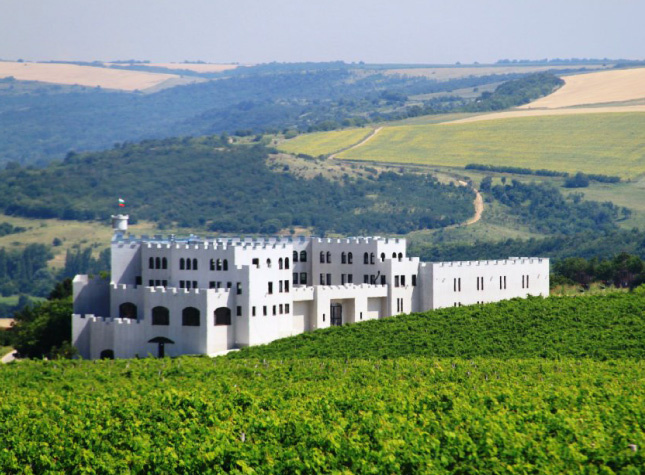
The Burgozone Domain.

The Burgozone Domain.

The “Chateau Burgozone” was awarded of two Gold medal, for its “Chardonnay” 2015 and its “Iris creation” 2014. The castle is named after an ancient Roman fortress that protected the Empire from barbarian invasions, and is located in the plains bordering the Danube to the north of the country. A vineyard of about 100 hectares on a single limestone soil enjoying a warm climate with freshness from the river. Allowing vines to express all their specificities. The main grapes cultivated by the Domain are Chardonnay, Pinot Noir, Sauvignon Blanc, Cabernet Franc, Syrah… And trying also to resettle indigenous varietals of the region such as Gamza and Tamjanka. The estate’s wines are regularly awarded to international competitions such as Mundus Vini and the Wine Ethousiast. The house produces minerals, fruity wines with elegant and soft tannins with a nice balance. The pleasure of tasting remains intact, Burgozone wines are indeed good value for monney and can be found in supermarkets.

The « Chardonnay » 2015, won the Gold medal, is a fine, elegant and well balanced white wine with complex aroma of green apple, citrus, tropical fruit and honey. With a small touch of bitterness at the end of mouth. The “Pinot Noir” 2014 has a taste of black fruit, milk chocolate keeping all its freshness, volume, good density and depth with length and velvety mildness. You can both taste the Château Burgozone confortably installed with friends at home or in Bulgary. The Vineyard is of course located on the “ Road of the Vines on the Danube”.  Bulgarian wines are of course a world to better discover, the country has a lot of wonders to discover onsite…

www.concoursmondial.com

www.probegex.com

www.burgozone.bg

www.vinodis.com


Olivier Bulto

Cantina Tollo: authentic wines of Abruzzo

Abruzzo land of sheep, farming and passion for wine. In fact the first evidence of wine production are placed in pre-Roman times.

“Preparing the wine hearts and passion makes them more ready,” wrote Publio Ovidio Nasone, the famous elegy of Sulmona origin.

In Tollo districts in the province of Chieti Tollo winery are of passion, commitment and shared values fundamental elements. The vineyards cover an area of over 3,000 hectares, from the coastal hills to the foothills of the mountains, in a typical Mediterranean climate, temperate, temperature variations that determine optimal conditions for the accumulation of aromatic substances.

The production is focused exclusively on traditional and indigenous varieties of the area, traditionally planted with pergola.
Noteworthy the aging plants, located in Tollo, consisting of barrels and large Slavonian oak barrels, in addition to the concrete vats, currently considered the best for aging.
We tasted:

Montepulciano-AbruzzoMontepulciano d’Abruzzo Riserva Dop

A Montepulciano d’Abruzzo 100% vinified at controlled temperature at 28 degrees. It presents a ruby red almost purple. The nose gives off its intensity with sour cherry and declining in the notes of berries. The palate is soft, soft in tannins. It is aged for 24 months in oak barrels and 6 in bottles. Perfect for pasta dishes, mushrooms, truffles, meats and seasoned cheeses.

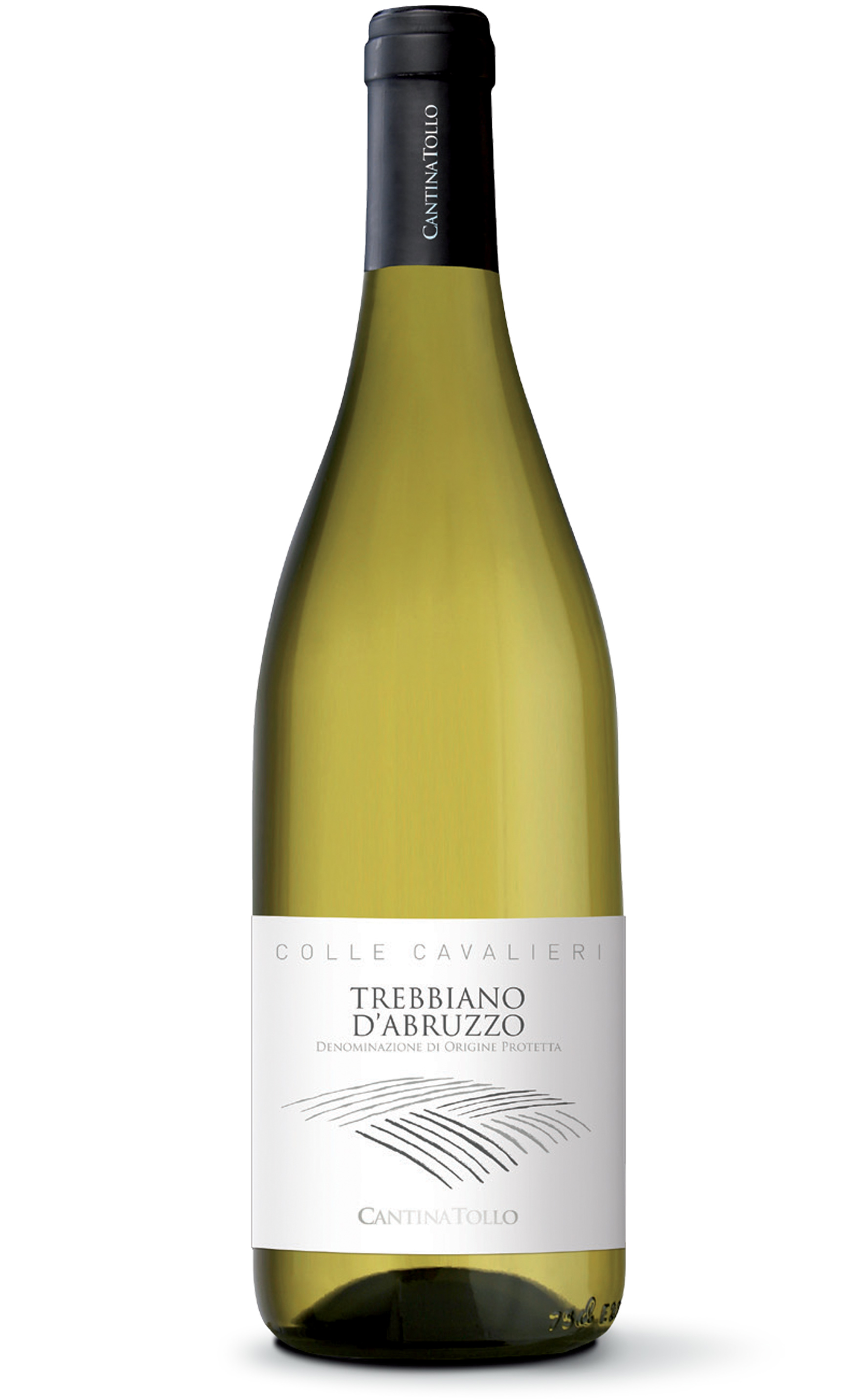
Colle-Cavaliere-Trebbiano

Colle Cavalieri Trebbiano d’Abruzzo Dop

A delicate Trebbiano pale yellow color with green reflections. The nose shows a fruity bouquet, with hints of exotic fruits and fine floral notes. In the mouth and ‘delicate and striking with an almond aftertaste. Ideal as an aperitif with fish, white meats and fresh cheeses.

The summer wine of Tenuta Cavalier Pepe

Tenuta Cavalier Pepe is located in the hearth of Campania Docg wines, called Irpinia, around 3 villages; Luogosano, Sant’Angelo all’Esca and Taurasi.

The vineyards of the estate Cavalier Pepe extend into the hills from Taurasi Lapio Sant’Angelo all’Esca in Fontanarosa 40 hectares of vineyards and 5 hectares of olives. The Taurasi hill is a land dedicated to the fine wines that make the noble, the character and identity of indigenous grape varieties: Aglianico, Greco di Tufo, Fiano di Avellino and coda di volpe.

Milena Pepe and her family personally take care of vines’ growth, with the help of some professionals.
The estate’s main goal is to produce quality grapes in order to obtain quality wines with limited soils treatments.

We tasted:

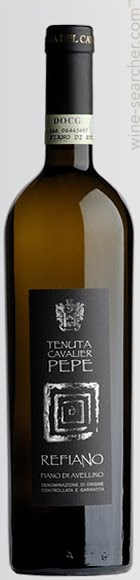
tenuta-cavalier-pepe-refiano-fiano-di-avellino-italy-10413876Refiano Fiano di Avellino DOCG 2015

The Refiano, Fiano di Avellino Cavalier pepe estate, is an instant wine to be consumed young, it keeps all its freshness and floral bouquet. The nose is fresh and immediately has an incredible outfit fruity pear, wild herbs and fennel. In the mouth the freshness pervades and fruity aftertaste, make it even more enjoyable. It’s an ideal wine for the table with fish vegetables and grilled tomatoes.

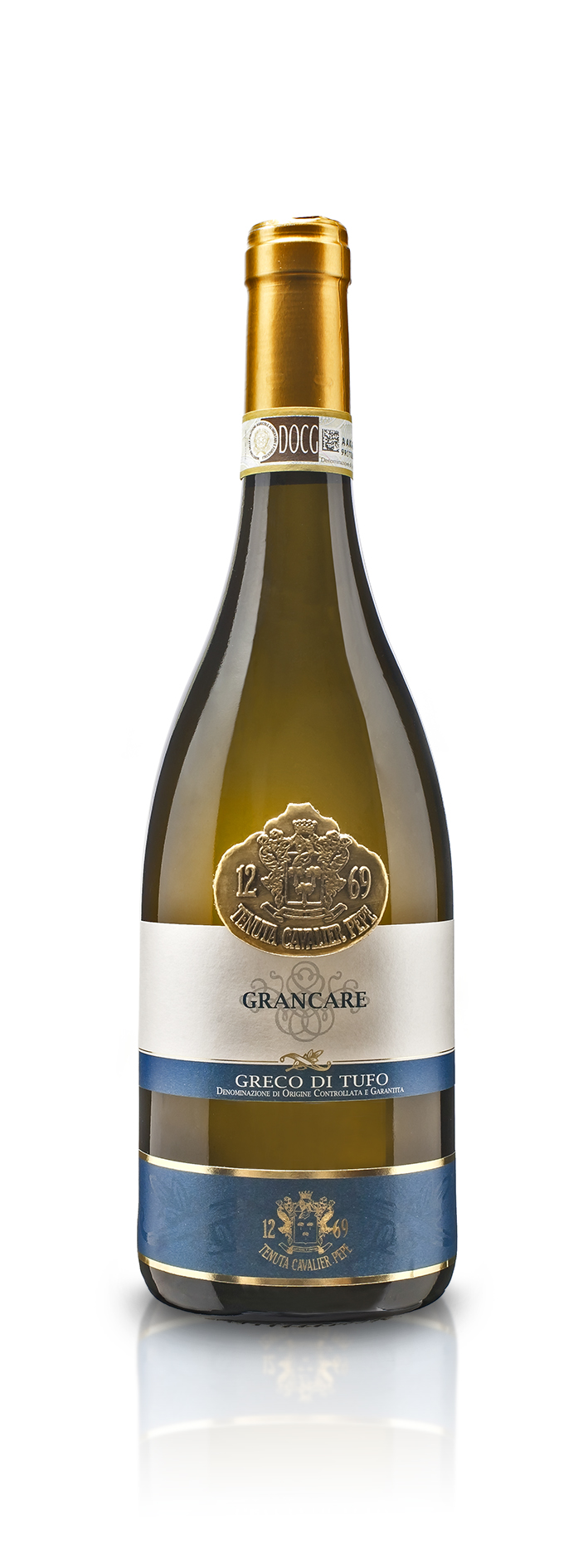
Grancare Greco di Tufo 2014grancarexbrochure

This is an intense wine, clean and refined a golden yellow with yellow shades. The nose gives off hints of pear and citrus fruits, hawthorn and broom. In the mouth it is very fresh and soft with a good body. It striking for its persistence with hints of apple and peach. Its aging takes place for 12 months in oak barrels and 10 months in bottle.
Regarding the table combinations is ideal with pasta with fish and mushrooms but also with shellfish grilled white meat and caciocavallo cheese.

You can find Tenuta Cavalier Pepe in Belgium at:

Marcon sprl

Avenue Du Castel 99

1200 Waluwe – Saint Lambert ( Bruxelles)

tel. 0032 22162124; 0032 475780714

What would be the implications of the #Brexit on wine sector ?

brexit01

The world of the English vine growing would indeed be favored by the protectionism which would entail this separation. But the English consumer who is very lit on the subject, would he suffer from it? The long-term sequels remain still unknown, but on the short-term consequences is for sure that the profession would suffer from it and the trade would not be facilitated there. Mainly nowadays due to the devaluation of the currency. The new Prime Minister is now named, Mrs Theresa May, and wants to make a success of the exit of her country of the EU. Wine stewards, agents and independent distributors remain nevertheless optimistic, due to the long term of the process. And following an english analyst of the domestic wine market : ” The initial biggest losers will, ironically, be those buying the least amount of wine. Namely the growing number of independent merchants and restaurants buying directly from European producers.” Indeed faced with higher supply chain costs.

brexit02All the wine chain will certainly be attentive in the coming months, and surely on the trade issue. The focus will then be shifted to how wine can be bought and moved across the EU. It will certainly be a relevant dialogue to follow between individual wine producing countries and the World Trade Organisation in the next future. The wine of the non-European wine producers will be easier and potentially cheaper to import, and won’t be hit by current EU-import duties. And EU producers will then be encouraged to stay on the Continent. But how the world of commerce of wines will meet the challenge?

The distribution sector can be innovative and be motivated on three levels: the wine shops, the general stores and the digitals applications. To keep consumers entertained to taste and discover new productions. There are now numerous projects ongoing around the world, like Miguel Torres’s efforts to re-introduce old Catalan varieties in Spain. Or the “Wine Mosaic” programme trying to bring to life old indigenous varietals like the “Obeidi” grape in Lebanon. The wine shops can be an alternative to supermarkets, they can offer better advices and more complementarity. Or some consumers can be also attracted by the digital world, for example by targeted marketing. Trade ambassadors can be rewarded with new products and promotions. But ultimately isn’t it to the global wine trade’s interest for the UK to remain a vital export hub. Is a collective international effort not worthy to be made to make it work in everyone’s interest ? By finding solutions and trade agreements.

As a reminder Sir Winston Churchill stated in 1946 in Zurich: “It is to recreate the European fabric, and to provide it with a structure under which it can dwell in peace, safely and freedom. Therefore I say to you, let Europe arise!”. But the final consumer will of course be the regulator of the sector…

Olivier Bulto

http://www.englishwineproducers.co.uk/

https://www.wto.org/ 

Vini Contini: tradition and modernity from over a century

tenute_02We are in the Sinis Peninsula (Sardinia) in Cabras on the ground typically devoted to the Vernaccia.

Founded in 1898 by Salvatore Contini, the Contini winery is a journey into wine roads long and exciting. The winery today is an absolute excellence within the Sardinian wine scene. The company in the past has been widely recognized as the gold medal at the Milan exposition of 1912 and 1913, and the first Sardinian wine to defeat the Gambero Rosso Tre Bicchieri in 1989. The strengths of Contini products are Vermentino and Cannonau, Nieddera from the vine and wine Mamaioa, natural wines without added sulfites. Do not also forget the Karmis, wine unique in its kind, obtained by a clever blend of Grenache and Vermentino grapes.
The strongly “Sardinian” company in its conception in history has its strength but it is also focus on innovation.

We tasted:

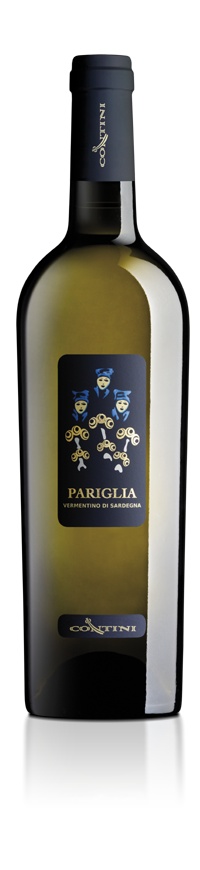
parigliaPariglia Vermentino di Sardegna DOC 2015

It ‘s a classic 100% Vermentino grown in volcanic soil rich in minerals. To note the cultivation espalier (Guyot and cordon). The fermentation takes place in stainless steel tanks at controlled temperature (16-18 ° C). It comes with its typical straw yellow that turns a slightly green. The nose gives off a fruity and floral bouquet. The taste is fresh, fruity, well balanced delicate mineral.
Recommended for fish dishes.

Karmis Bianco Tharros IGT 2015karmis-cuvee-contini

The Karmis is a wine with grapes from the typical local varieties. It born from a mix of land, partly sandy, partly clayey and even volcanic with espalier and sapling cultivation.
Maturation takes place in steel tanks or vitrified cement, together with its yeasts, with periodic battonage. It is aged for several months in the bottle.
It shows a bright straw yellow. The nose is fruity, floral and Intense. The taste is soft, with pear aftertaste and is very persistent.
It goes well with seafood or white meat light seasoning and vegetable stews. Excellent as an aperitif.

nieddera_rosNieddera Rosato Valle del Tirso IGT 2015

This rosé is made of Nieddera 90% and other red grapes of the area 10%. Born from a sandy soil and slightly loamy. The wine is made by crushing and maceration on the skins for 12/24 hours and the rosé must extraction and fermentation at controlled temperature (16-18 ° C). It is aged in steel for several months.

It presents an intense pink, carmine colour. The nose is delicate, intense, fruity and floral. In the mouth it is soft, fresh, with notes of cherry. On the table served chilled it is perfect for soups and grilled fish, as well as white meats

It’s a perfect rosé for summer from fresh use 8-10 ° C.

The Grillo from Feudo Maccari

thumb_nerodavolaWe are in Noto, Sicily, land rich of history which has seen the passage of different peoples and cultures from the Romans to the Greeks to the Arabs but also the Normans the Aragonese. It is also the “Baroque” capital thanks to its ancient cathedral.

That’s the place where Feudo Maccari lies which covers about 1,000 tumuli, (old unit of the island of Sicily for which one mound is equal to 1,744 square meters) of which about 450 vines, divided into three bodies scattered on hills caressed night and day by the sea breeze. The landscape is characterized by carob trees, olive and almond trees in bloom where sprout almost by magic, the characteristic plant sapling of Nero d’Avola.

The challenge of Feudo Maccari points to climb the quality even on white, or rather a big classic white the Sicilianvino_grillo Grillo.

We tasted the Grillo 2015 Feudo Maccari

The Grillo is a classic wine of the island oenology. A versatile wine grown with the system sapling. The wine is made without skins. Immediately it presented with its typical straw and golden yellow color. The nose almond blossom and citrus fruits are the masters. In the mouth is savory fresh and well balanced.
At the table the Grillo guides us towards seafood plates from seafood to appetizers to first. Excellent also with grilled fish.


Costantino wines

nslide6Costantino wines lies in the Sicilian hinterland dotted with mythological stories whose protagonists were Minos, Theseus, the god Dionysus. We are in Partinico at about thirty kilometers from Palermo, where Costantino winery was founded in 1960 by Papa’ Onofrio said “Nonò”, a true Sicilian love with his land. Driven by this passion, “Nono” day after day gave form to that which a company was for him the realization of that dream the place to grow and learn to life.

Today the third generation and the zeal and passion for the land and its products is the same as always. Develop, through the cultivation of fruit, flavors, scents, genuineness, authenticity of the products of Sicily in the tradition that distinguishes it: this is the ambition of Constantine wines.

The land covers 55 hectar of land planted with vines at a height above sea level from 250 to 600m. In the 55 hectares of land have been selected the best varieties of native grapes (Nero d’Avola, Catarratto, grecanico, unusual, Muller Thurgau, cricket) and international grape varieties (Merlot, Syrah, Cabernet Sauvignon, Petit Verdot, Chardonnay). Cultivation has a carefully crafted using much labor and a few mechanical means.

In the cellar, the innovation and the traditional techniques are perfectly integrated, in order to ensure the highest quality and authenticity of the final product.

We tasted:

Nono’ Terre siciliane 2012

nonoThis wine is a blend of Petit Verdot 60% and Cabernet Sauvignon 40% obtained by manual harvest in the second decade of October. The wine is made with alcoolic fermentation at controlled temperature for 15 days in steel tank.aged for 60 days in tonneau. It presents a very intense red color. The nose stand out notes of red fruits, spices and dried fruits. In the mouth is smooth and balanced and presents a decided structure with enveloping and soft tannings. In the culinary pairings the best expression is with roasts, grilled meats, game and seasoned cheeses.

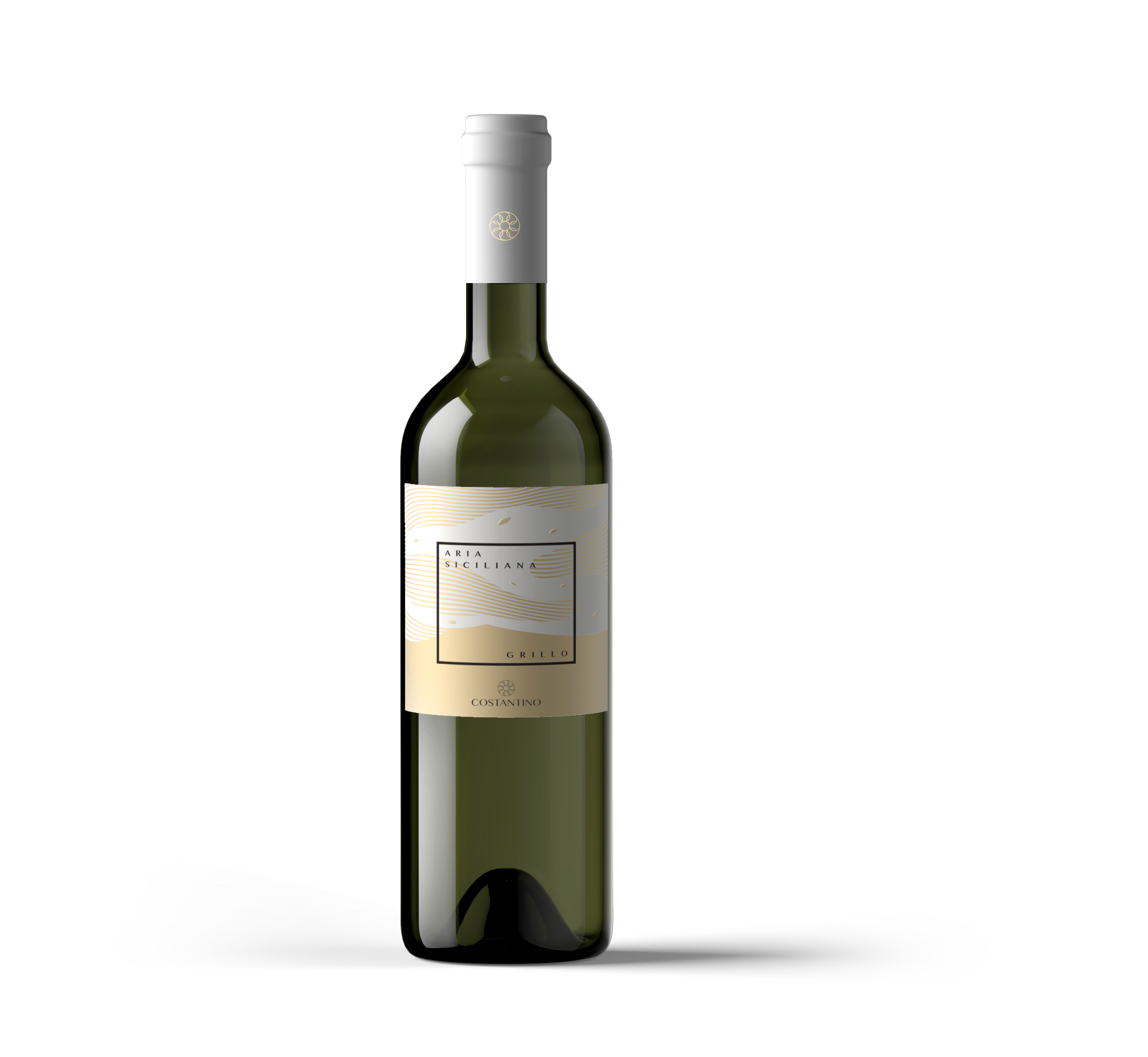
ARIA SICILIANA Grillo 2015aria-siciliana-grillo

Grillo is a wine comes from a calcareous clayey. It is a wine obtained from grape Grillo 100% by manual harvest in September. The vinification is made through maceration for about 6 hours, soft pressing and fermentation at controlled teperature in steel tank. Grillo is brilliant with a straw yellow colour. The nose has a bouquet of peaches blossom and fruit giving freshness and flavor to the palate. Fish cous cous, meatballs of sardines, based sea bream and also fresh cheeses, risotto with porcini mushrooms and white meat are the best food pairing.

« Older Entries Recent Entries »