Author Archives: VinoeStile

Luca Melilli – a stylist of Trumps Taormina galas

“When I received the email I read it over a few times, because it almost didn’t seem real to me”, – said Luca Melilli (39), a Sicilian wedding planner, or ‘scenographist of events’, who reportedly dressed gala dinners for Donald & Melania Trump in picturesque city of Taormina for G7 Summit. Luca Melilli (pictured) has already been named among the world’s top 50 wedding planners by Brides Magazine, when he received the US President commission. (Photo: illustration)

Rosees
Previously Melilli has organised  exquisite events for his Panta Rhei agency for a decade, styling events for Bill Gates in the Valley of the Temples and gala dinners for the Taormina Film Festival featuring the world’s Seventh Art celebrities.
The stylist confessed he could hardly believe his eyes when he got the request to dress two galas for the US President and First Lady.
The secrecy imposed by security rules, did not allow Melilli to reveal a lot of his creative ideas: there are two evenings on 26 and 27 of May, one of a Sicilian theme which makes G7 guests feel the warmth of the island, said the stylist, opting for the mise-en-scene  highlighting Sicilian folklore, Mediterranean colours, with the typical flowers and scents. The second evening as “full-blown” gala will be overwhelmed by opulence of Mediterranean  fresh flowers.

Fred Brander – a Vinter of the Year

Pioneering winemaker Fred Brander is being honored as Vintner of the Year at the February 17, 2018, Santa Barbara Wine Auction. The biennial auction is a benefit for Direct Relief and is coordinated in part by the Santa Barbara Vintners Foundation. The foundation is the charitable arm of the Buellton-based trade association Santa Barbara Vintners.

Originally from Argentina, Brander grew up in Santa Barbara, and later earned a master’s degree in food science with an enology emphasis from University of California, Davis. He and his father established The Brander Vineyard when they purchased 40 acres in Los Olivos. They planted their first vineyard in 1975 and broke ground on their winery in 1979. Brander specializes in Bordeaux varietals, including sauvignon blanc and cabernet sauvignon.

Brander is known for his advocacy of Santa Barbara County wines. He spent nearly a decade working on the establishment of the Los Olivos District AVA. His petition to the federal government was approved in February 2016.

“Fred is one of the pioneers here. It’s wonderful to be able to honor someone who has been in the business as long as he has,” said Vintners Foundation Past President Frank Ostini. “He proved that Bordeaux varietals could grow in the Santa Ynez Valley and led the efforts to have the Los Olivos District AVA come into being. Plus, Fred is just a funny guy.”


California wines hit record high


The value of California wine shipments to the US market hit $34.1 billion in 2016, up 4.6% on the previous year and a record for the golden state’s winemakers.

The volume of shipments also increased by 2%, shipping an all-time high of 238 million cases to the US, as reported by the Wine Institute.

Overall, California wines in the US market have increased from 191 million cases shipped in 2006 to 238 million cases in 2016.

Much of this growth has been driven by an increase in population and a growing taste for wine among millennials, says Jon Moramarco, founder and managing partner of BW166, who purchased The Gomberg-Fredrikson Report last year.

California wines

“The growth trend has been driven by population, which is up more than 12% over the last decade, and by the fact that baby boomers, traditionally the large population segment of frequent wine consumers, have been joined by millennials aged 21-38 who are also driving the growth in wine consumption,” he said.

Moramarco pointed to the consolidation of both major retailers and distributors as a major trend in the US market, which is creating “fierce competition and crowded sales channels”.

South African Winery Stellenzicht new ownership


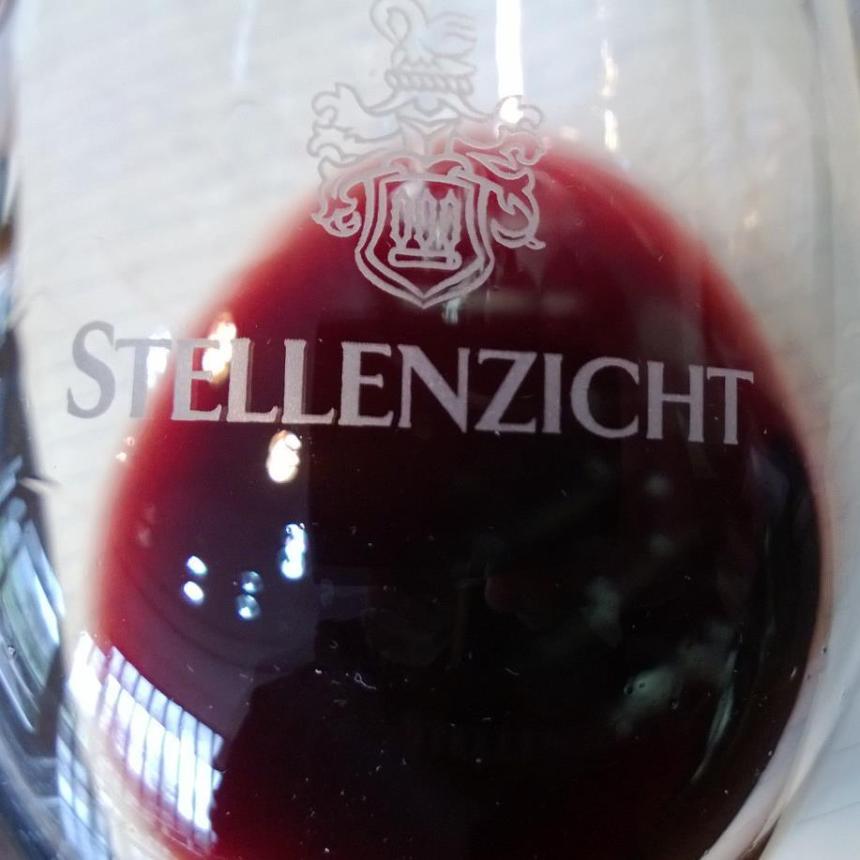
The co-owner of Ernie Els Wines is expanding his Stellenbosch presence, buying the neighboring Stellenzicht winery. Baron Hans von Staff-Reitzenstein, who has been majority shareholder in Ernie Els wines since 2015, has purchased the farm and winery from Lusan Holdings.

Stellenbos viiew

According to Els executives, the deal is part of a strategy to secure more of their own fruit. The 550-acre property in the Helderberg region, with 250 acres currently planted, is one of the largest in the region and significantly larger than Ernie Els Wines’ 178 acres. The purchase price was not disclosed, but industry sources say Stellenzicht was listed for $9.84 million.

Stellenzicht

Slow Fish 2017 in Genoa: We are the net!

The eighth edition of Slow Fish – the international event organized by Slow Food and the Region of Liguria – will be held from Thursday, May 18 to Sunday, May 21, 2017 in the Genoa’s Porto Antico (Italy). Dedicated to the world of fish and marine ecosystems, this international event ties together the pleasure of food with the protection of marine biodiversity. Admission to the event is free!

Slow Fish 2017 sees the participation of delegates from numerous countries: Australia, the Democratic Republic of the Congo, Denmark, Ecuador, France, Ireland, Italy, Japan, Morocco, the Netherlands, Russia, Senegal, South Korea, Spain, Sweden, Tunisia, Uganda and the United States.


Members of the international Slow Fish network are indeed the protagonists of this event: fishing communities, biologists, chefs, consumers and experts. They all take part in this journey across seas, oceans and freshwater to understand the complexity of the aquatic world and improve the management of the sea’s resources.

The theme of this year’s event is: We are the Net. We are all part of a living, interconnected system, and we act upon it when we buy seafood products. The Slow Fish network wants to call our attention to the urgent need for fishing methods that operate in harmony with the delicate ties of the net. The net here is not just a fishing tool, but a web of relations: water, soil, microorganisms, fish, fishermen and consumers.

Along the seafront at the Porto Antico, the Slow Fish Marketplace exhibits fresh fish, preserves, salts, spices, extra-virgin olive oil and much more. Here visitors can meet the producers and fishermen behind the Slow Food Presidia products from the sea. Among them are the Mediterranean Prud’homies and the Natural Breton Oyster Presidia from France; the small-scale fishermen from the Orbetello Lagoon Presidium in Italy, who produce bottarga di cefalo (a traditional preserve of salted mullet eggs), breed sea bass and sea bream to preserve stocks; and the Wadden Sea traditional fishers Presidium from the Netherlands – the last to practice fixed fishing rather than mobile, working with a limited number of marine species.

There will also be several Terra Madre food communities working with fish, seafood and its derivatives: the mangrove fishermen of Muisne from Ecuador, who are developing a project to repopulate marine fauna, shellfish and crustaceans and at the same time protecting mangrove forests; a cook from the Aglou artisan fishers in Morocco; a representative of the Tarja community of native Itelmen from Kamchatka (Russia) which has long dedicated itself to fishing and selling wild salmon; a group of artisanal fishers from the Kerkennah island (Tunisia) who use the charfia to catch fish, a kind of fixed maze constructed from 4,000 date palm leaves; and the Nkombwe fishermen from the northern shores of Lake Victoria in Uganda.

At the Slow Fish Marketplace the public can enjoy the freshness of the ingredients through 18 Fish-à-Porter events: a kitchen in which artisans and chefs organize tastings along with marine biologists and fishers.

The event program also includes conferences on human and environmental health, the wide panorama of virtuous seafood, the protection of biodiversity, food waste reduction and migration issues; Dinner Dates with stars of Italian and international cuisine; and Slow Path guided tours to discover good fishing practices, sea stories and engaging characters across the event.

Visitors have the chance to discover tasty specialties in the Street Food and food trucks area and enjoy a selection of artisanal beers. In the afternoons and evenings, the Enoteca – with 300 wines selected by the Wine Bank – hosts Temporary Tastings. In the Chefs’ Alliance Kitchen 15 Italian and foreign chefs will be taking turns to cook using products that respect the environment and animal welfare. In the Mixology area, the public can learn the stories behind cocktails, their ingredients and how to make them, guided by experienced bartenders. The Pizza Point offers fish themed pizzas prepared by the country’s finest pizzaioli, and the Shrimp Spot serves red and pink Sanremo shrimps, either raw or cooked.

Pinot Bianco Moriz

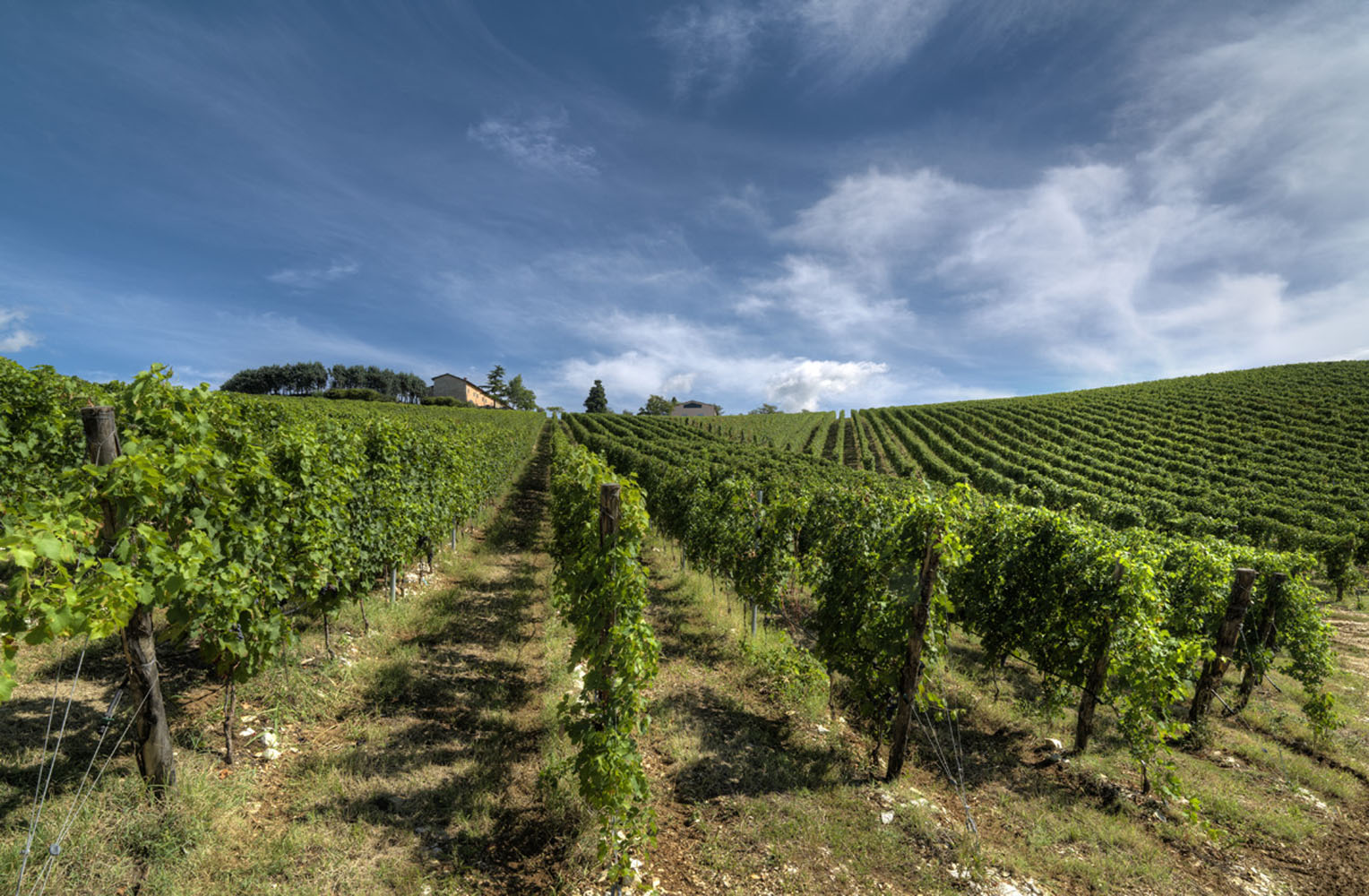
Belonging to the large pinot family, it is in Alto Adige that pinot bianco has found its own area of choice, a large territory where it is able to express itself with great elegance and composure thanks to a strong mineral vocation. No exception is the “Moriz” by Tramin, a wine from the Sella vineyards, a small village not far from Termeno. After harvesting, the grapes are brought to the cellar in small tanks. The soft pressing and the subsequent vinification in steel lead to a wine of great pleasure.
Tasting notes

Pale straw yellow, the nose expresses an olfactory profile with a clear mineral footprint, very elegant. Fruity notes of apple, pear and kiwi are flanked by floral hints of wisteria before a fresh and lively taste. A good acidity accompanies it towards a finish of good persistence, on citrus tones.

Pairings

Excellent as an aperitif, the “Moriz” by Tramin is a white wine ideal to accompany light dishes based on fish and poultry meat.

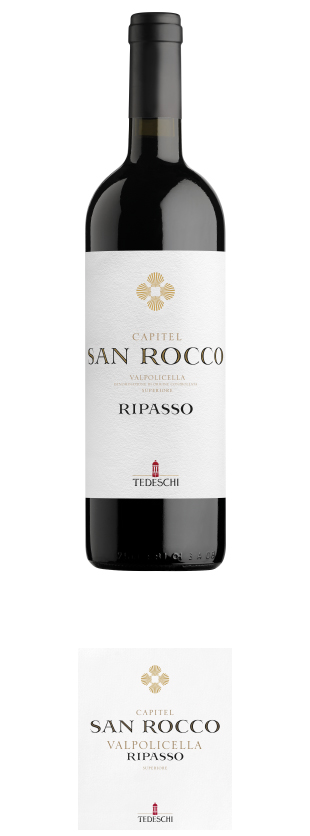
Capital San Rocco Ripasso 2015 from Tedeschi Wines

In Valpolicella area we discovered the strong character and love of the people who produced this wine, the gentle hills where grapes are grow and the rich, complex cultural heritage and traditions that have been treasured in Valpolicella for centuries.

The careful attention that Tedeschi wine devote to the vineyards implies the research for the most effective interaction between soil characteristics, microclimate, exposure to the sun, best varieties, and training system.  Thanks to our constant, strong commitment, the Tedeschis wines have become synonymous with terroir and Valpolicella all over the world.

We tasted: Capital San Rocco Ripasso 2015

This is a wine made using an ancient winemaking technique called “ripasso”. This consists in introducing a part of Valpolicella, produced the preceding autumn, onto Amarone wine marc after these have been decanted in March. The grapes used to produce this wine come from vineyards located on the Moraine Hills in the Valpolicella area.

This red wine has a strong ruby red. Clear and transparent. The bouquet is complexe and ample. We noticed notes of cherry, raspberry and red currant give freshness to the wine. The flavour is fruity, well-balanced and well-structured. The wine is warm and round. The after taste confirms the character of the bouquet. This wine has a long-lasting and persistent flavour with a good balance.
For the food pairing is ideal with red meat, game and cheeses.

“Le creve” Extra Virgin Olive Oil Garda DOP

The Paolo Forelli’s philosophy, the founder of Oleificio Le Creve from Garda lake, is to maintain the natural link between man and its territory and to respect the nature, continuing the cultivation of ancient olive trees olive oil from Garda and activities as they did in past centuries.

The olives of the cultivar “casaliva“, growing in the Lake Garda microclimate which gives them a unique flavor, delicate and elegant with different shades of light to medium fruity recalling especially the almond green feeling characteristic of the territory, also to taste the noble bitter delicate and spicy aftertaste refer to production latitude their balance and their harmony.

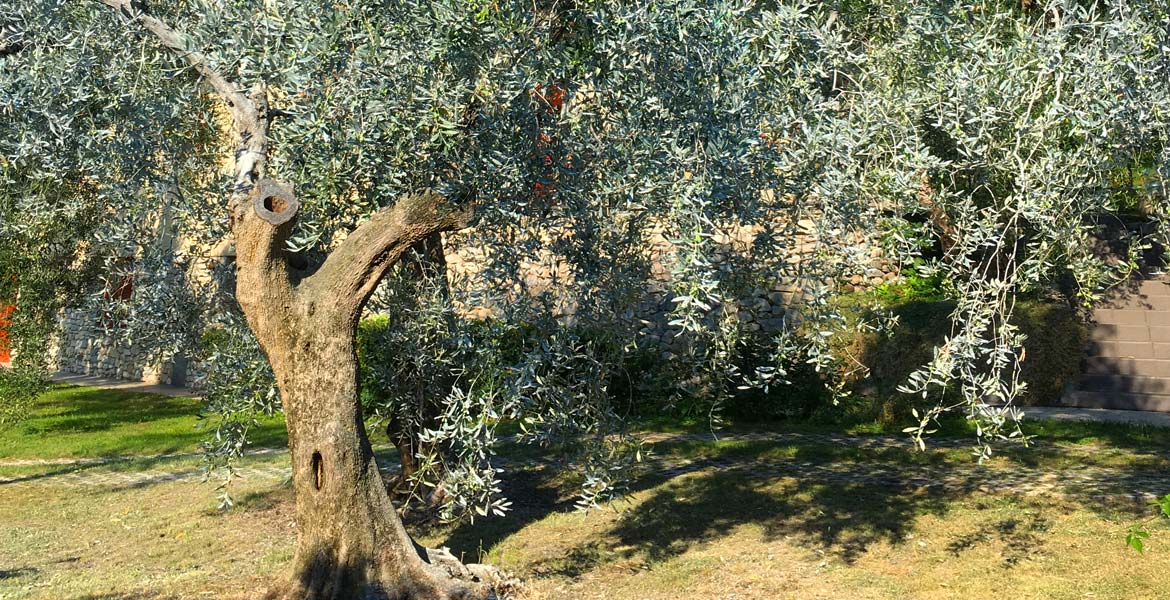
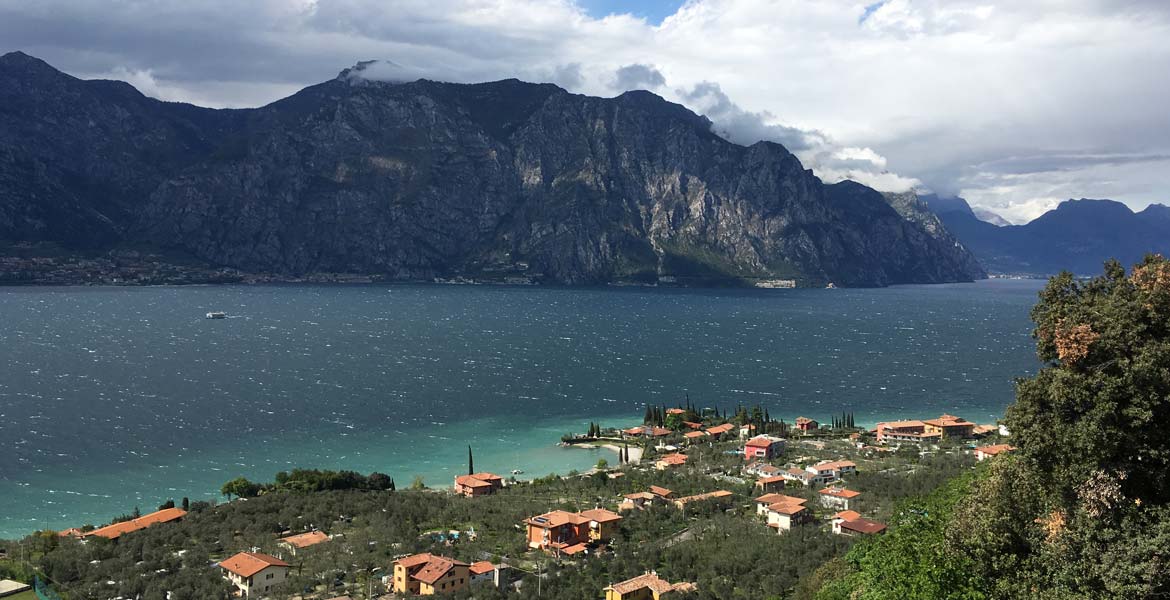
Malcesine is one of the northernmost areas of Europe where olive trees grow and then given the frequent harsh weather conditions the number of plants per hectare is very low. These characteristics and the old plants, give the oil a unique and rare taste.

Taste: fruity, bitter light, medium spicy. The colour of the oil Le Creve goes from light green to dark green with colour change over time toward more golden tones. Its acidity is contained within very low values for your attention in collecting and crushing the day the olives.

Specialized type of farming, harvesting: Beating or hand picking; Extraction Method: Continuous cycle in three phases

Food pairing: The olive oil Le Creve is recommended raw on the cheese plateau and bruschetta, cooked and raw on pasta dishes of Mediterranean cuisine, on grilled meats and vegetables. It is delicate even with fish.

 Oil Le Creve is an  extra virgin olive oil D.O.P. and has a large variety of awards and recognitions.

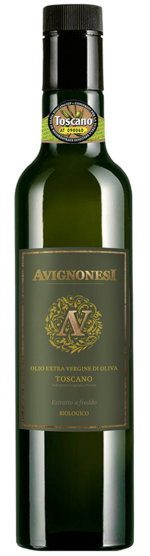
Avignonesi, Genuine olive oil of the Mediterranean

We are in the hills between the Val d’Orcia and the Val di Chiana. This is an ideal place for the cultivation of the olive tree and the production of excellent extra virgin olive oil. Avignonesi owns 1470 olive trees, and in 2016 they produced 1490 litres of certified organic extra virgin olive oil, all processed in their own olive mill.

Extraction

They pick olives in the sunny hours of the day, manually and with the use of facilitators. The olives are then transported directly to olive mill at La Selva Estate where they are washed and processed the same day. The crushing system runs on discs, which helps reduce trauma to the olives and thereby conserves more of the properties of the fruit itself. The olive paste is then kneaded into liquid in the malaxing system, a slow mixing in which the olive paste is gradually heated, allowing for the oil to be extracted. The last main stage is clarification, in which any remaining water and olive residue is removed from the oil using a centrifuge. The new olive oil is finally lightly filtered with cardboard filters.

Tasting notes

Yellow in colour with lively greenish hues, the 2016 extra virgin olive oil reveals delicate aromas of fresh, green grass and artichokes. Silky smooth, round and nutty on your tongue, with a slightly spicy finish.

This olive oil is organic and cold pressed.

Know your bubbles

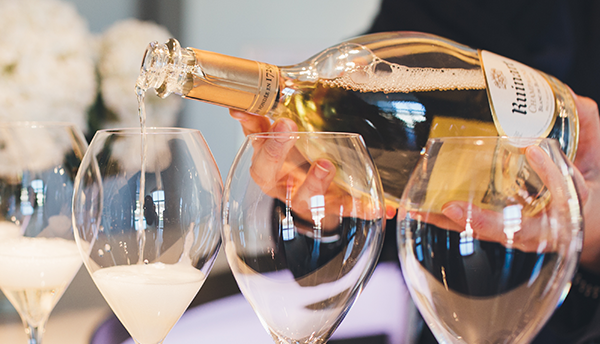
Bubbles are the soul of any champagne. Their delicate fizz, at once lively and refined, are what give champagne its character and personality.

Unlike non-sparkling wines, champagne is privy to a second fermentation inside the bottle, which infuses the base wine with carbon dioxide. This alone doesn’t create bubbles, though. Rather, they appear when you pop the cork, exposing the liquid to impurities in the air and along the sides of your glass: a vital and necessary step.

A single glass of champagne will give rise to nearly a million bubbles, which fill the air with their scent as they surface and burst at the top. The size of those bubbles depends on their age: the older a champagne, the more delicate its sparkle. A subtlety you can experience firsthand in a glass of Dom Ruinart.

FROM FRÉDÉRIC PANAÏOTIS

« The bubbles play an important role in carrying aromas. »

« Older Entries Recent Entries »